
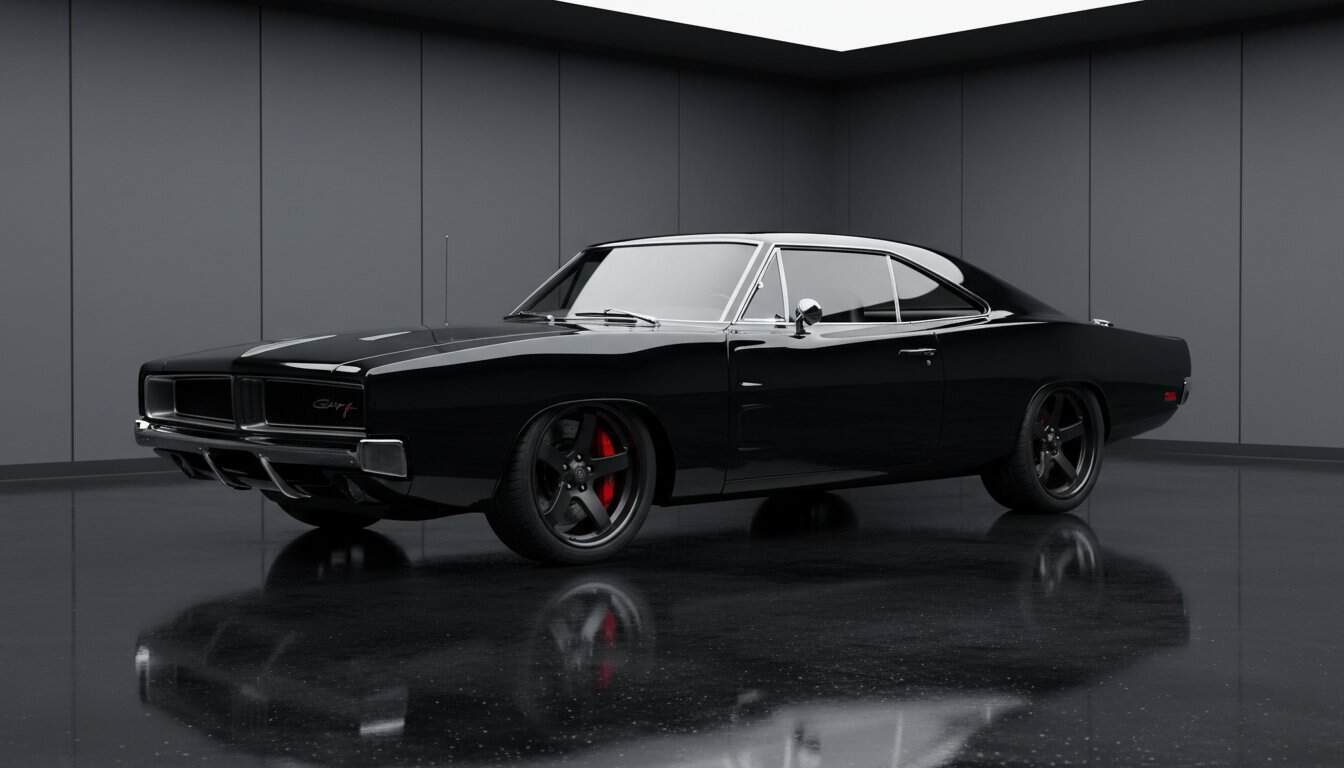
In early 2026, the Hagerty collector car market rating hit a 15-year low, signaling that the era of blind bidding on any vintage shell is officially over. This cooling market means you can’t rely on hype to protect your investment anymore. You’ve likely felt the frustration of seeing conflicting classic car values across different valuation tools, leaving you worried about overpaying for a project that never hits the pavement. It’s a common fear for builders who want their craftsmanship to translate into real world equity.
I’m here to help you master the art of pricing your vehicle with a clear, logical framework. You’ll learn how to identify the restomod premium and discover why modern classics are surging in value. We will explore how specific upgrades to suspension geometry and wiring harnesses provide the best return on investment. From understanding why a 1995 Nissan Skyline GT-R now commands $82,350 to tracking the new smog check exemptions in California, this guide ensures your vision is backed by precision data.
Key Takeaways
- Decode the complex world of classic car values by distinguishing between agreed value and actual cash value to safeguard your project.
- Identify the specific modern performance upgrades that allow you to capture the restomod premium without alienating the broader collector market.
- Avoid the replacement cost trap by learning which labor hours translate into market equity and which are simply the price of passion.
- Focus your restoration efforts on the big three of power, handling, and paint. This ensures your build has the maximum visual and mechanical impact.
- Master the professional appraisal and presentation techniques needed to command top dollar when it’s time to sell your masterpiece.
Understanding the Foundation of Classic Car Values
Think of classic car values as a three-legged stool supported by rarity, mechanical condition, and modern desirability. If one leg is weak, the whole valuation collapses. In early 2026, the Hagerty collector car market rating hit a 15-year low, signaling a cooling period where buyers are becoming much more selective. This means historical significance alone no longer guarantees a high price. Collectors now prioritize usability. They want a vehicle that can keep up with modern traffic and start every single time. This evolution explains why the average insured value for classics has climbed 57% since 2021. People are investing more because they intend to drive more.
Before you commit to a purchase or start a teardown, you must secure the right insurance. Standard policies use Actual Cash Value, which depreciates your car like a used minivan. As a builder, you need an Agreed Value policy. This allows you to lock in a specific payout amount based on a professional appraisal. This protection is vital because it accounts for the craftsmanship and high-end components you add during the build process. To better understand how market shifts impact your investment, watch this helpful video analysis of current trends:
The Four Pillars of Vehicle Valuation
Success in the garage starts with an honest assessment of your starting point. Use the Hagerty 1 to 4 scale to grade your vehicle. A Condition 1 car is a concours-ready masterpiece, while a Condition 4 is a good driver with visible flaws. Be realistic here. Overestimating your car’s starting grade leads to overcapitalizing on the restoration. Beyond the metal, the paper trail is your most valuable asset. A documented provenance, including original build sheets and service stamps, typically adds 15% to 20% to the final sale price. This documentation proves the car’s legacy and reassures buyers that the maintenance wasn’t neglected. Finally, keep an eye on cultural shifts. As 2001 models become eligible for import under the 25-year rule this year, expect a surge in modern classic interest. Understanding these car valuation methodologies ensures you aren’t just guessing at your car’s worth.
Reliable Data Sources for 2026
Never rely on a single source for pricing. Use NADA and Hagerty guides as your baseline, but look to live auction results for the pulse of the market. Platforms like Bring a Trailer or RM Sotheby’s provide real-world transparency that static books cannot match. For example, RM Sotheby’s Arizona 2026 auction data shows a 12% buyer’s premium for cars under $250,000, which you must factor into your acquisition costs. Don’t overlook local car club experts. They offer boots-on-the-ground knowledge regarding regional price variations that national databases often miss. If you are just starting out and want to know what is a restomod and how it changes the classic car values game, remember that custom builds require a different set of eyes than pure stock restorations. Use these tools to build a data-backed vision for your project.
The Restomod Factor: How Modern Upgrades Impact Value
For decades, the collector world worshipped at the altar of originality. Any deviation from the factory build sheet was labeled a “Purist Penalty,” which was a deduction in price for every non-original bolt. Times have changed. In 2026, we are witnessing the rise of the “Restomod Premium.” Modern buyers often value the ability to drive across the state without a toolkit more than they value numbers-matching block stamps. This shift has fundamentally altered how we calculate classic car values. A base-model 1969 Camaro with its original, sluggish straight-six might struggle to find a buyer at a premium price. Drop in a modern fuel-injected engine with a reliable wiring harness, and you often see that vehicle’s market worth double overnight.
The key to maximizing your return is finding the sweet spot where vintage soul meets modern precision. You want the car to look like a legend but behave like a contemporary athlete. If you’re worried about the long-term investment, focus on reversibility. Use high-quality bolt-on components that allow a future owner to return the car to stock if the market ever shifts back. This strategy protects your equity while giving you the performance you crave today. It ensures your build remains an asset regardless of which way the market winds blow.
Valuing Performance Upgrades
Engine swaps are the heavy hitters of ROI. A well-executed swap provides the reliability that modern collectors demand. When you eliminate the “money pit” reputation of vintage engines, you expand your buyer pool significantly. When evaluating classic car values in 2026, buyers are looking for the total package: power, poise, and peace of mind. Beyond the engine bay, suspension and braking systems are now mandatory upgrades for top-tier pricing. A car that can’t stop or turn is a liability, not an asset. If you’re looking for technical advice on these systems, check out the definitive guide to an LS engine swap to see how modern power transforms a build. Upgrading to performance brakes isn’t just about safety; it’s a signal to the market that your project was built to a professional standard.
Interior and Tech ROI
Don’t neglect the cabin. The value of “Daily Drivability” is at an all-time high in 2026. Features like integrated air conditioning, modern sound systems hidden behind vintage faces, and ergonomically designed seating provide a massive boost to resale appeal. The goal is to maintain the analog feel of the dashboard while adding digital precision under the skin. High-quality craftsmanship in the interior often seals the deal for a buyer who wants the aesthetic of the 1960s without the discomfort of fifty-year-old foam. If you’re feeling stuck on your build, our Restomod Consulting Services can help you prioritize the upgrades that offer the best financial and emotional rewards.
Valuation Methodologies: Data vs. Real-World Demand
Determining classic car values isn’t as simple as checking a single website. You’ve got to balance book value, auction results, and private party sentiment to find the truth. Book values from NADA or Hagerty provide a steady baseline, but they often lag behind the rapid shifts of the street. Auction values represent the high-water mark; they’re the public records of what someone was willing to pay under the pressure of a ticking clock. Private party value is where the majority of transactions happen, often at a discount compared to the bright lights of a televised stage. You’ll need to look at all three to triangulate a realistic price for your project.
Don’t fall into the replacement cost trap. This is a painful lesson for many builders. When calculating classic car values for a custom project, remember that labor is often a sunk cost. Just because you spent $50,000 on professional fabrication and paint doesn’t mean the market will pay you back every cent. The market only cares about the result, not the struggle it took to get there. The only time you’ll see a near-perfect return on investment is on a “Survivor” vehicle. These are the rare, untouched gems where every factory marking is still visible. In those cases, originality is the peak of value. If you’re starting with a project, calculate your offer by taking the potential market ceiling and subtracting the estimated cost of restoration.
The Auction Effect
Look at “No Reserve” sales to find the true floor of the market. These auctions remove the safety net and show you exactly what a car is worth on its worst day. Be careful with high-profile events like Barrett-Jackson. These can artificially inflate prices due to the spectacle and high-net-worth attendees. When you analyze data from the 2026 Salem Collector Car Auction, remember to account for the 8% in-person buyer’s commission. Similarly, RM Sotheby’s 12% premium on vehicles under $250,000 changes the math on what a buyer actually spends. Watch out for outliers in online data that might be skewed by emotional bidding wars or shill bidding.
Private Sales and Local Markets
Roughly 70% of classic car sales happen away from the auction block. To find these hidden prices, you need to engage with specialized forums and Facebook Marketplace. This is where you’ll find the location premium in action. A rust-free body from California or Arizona is worth significantly more in Michigan or Minnesota where road salt has claimed most vintage steel. Real-time sentiment in these groups tells you which models are heating up before the guides catch on. If you want a roadmap for your next build, consider reading our product reviews to see which modern components are currently in high demand among private buyers.

Strategic Building: How to Increase Your Car’s Worth
Building a car is a marathon, not a sprint. To see a real jump in classic car values, you need a strategy that prioritizes mechanical integrity over flashy accessories. We call this the Value-First build. It’s about focusing your limited time and budget on the areas that move the needle for future buyers: power, handling, and paint. By applying sweat equity, which is the act of turning your own hours in the garage into vehicle equity, you bypass the high labor costs that often sink a project’s profitability. This approach ensures that every dollar spent on high-quality components translates directly into market worth.
Before you pick up a spray gun, understand that a car’s soul is found in its bones. A beautiful paint job over a rusted frame is a recipe for a financial disaster. You must approach the build with a methodical rhythm, ensuring every weld and every bolt is better than the day it left the factory. This attention to detail creates a linguistic bridge between the grit of your garage and the artistry of high-end design, signaling to the 2026 market that your vehicle is a professional-grade build.
The High-ROI Upgrade Checklist
Start with the foundation. Address structural integrity and rust repair before you even think about the engine bay. Once the metal is sound, move to the powertrain. A modern engine provides the reliability and precision that defines the current market. For many builders, the definitive guide to an LS engine swap serves as the blueprint for adding massive market appeal. Follow this with an upgrade to modern disc brakes. A car that goes fast must stop even faster; it’s a non-negotiable for serious buyers who value safety. Finally, focus on high-quality paint and body gaps. These details tell the story of a build that wasn’t rushed and reflect the true craftsmanship of the restomod philosophy.
Avoiding Value Killers
Precision is your best friend, while shortcuts are your enemy. Poorly routed wiring harnesses and “hack job” engine mounts are immediate red flags that drive classic car values into the dirt. Buyers fear the “money pit” hidden under a dashboard of bird-nest wiring. Similarly, be cautious with over-customization. While a neon-colored interior might suit your personal taste, it narrows your buyer pool significantly. Stick to timeless aesthetics and professional finishes that honor the vehicle’s legacy. Don’t neglect the boring stuff like bushings, seals, and weatherstripping. These small components determine whether a car feels like a tight, modern machine or a rattling relic. If you’re ready to equip your garage for success, browse our recommended gear to ensure you have the right tools for a professional-grade restoration.
Navigating the Market: Buying, Selling, and Protecting Your Investment
Selling your masterpiece requires a shift in mindset from builder to storyteller. You aren’t just selling a machine; you’re selling the results of hundreds of hours of meticulous craftsmanship. To maximize classic car values in a cooling 2026 market, your presentation must be flawless. High-quality photography is your first handshake with a potential buyer. Take at least 50 photos, capturing every angle of the fabrication and the crispness of the wiring harnesses. A transparent, detailed listing that documents the build’s history builds the trust necessary to close a high-dollar deal. Buyers in this selective era want to know the “why” behind every modification you made.
Success in the marketplace often comes down to what’s underneath the car. We follow the Under-Carriage rule: clean floors and a detailed suspension geometry sell cars faster than chrome engine dress-up kits. A spotless underside proves the car wasn’t just built for show but was maintained to a high standard. When setting your price, consider the 12% buyer’s premium charged by houses like RM Sotheby’s or the 8% commission at the Salem Collector Car Auction. These fees impact what a buyer is willing to bid. Setting a realistic reserve based on current auction data ensures you don’t scare away serious enthusiasts while protecting your bottom line.
Preparing for the Sale
Craft a narrative that highlights the journey of the build. Mention the specific modern performance upgrades that justify a premium price over a stock survivor. If you’ve installed a modern powertrain, explain how it improves the daily driving experience. Be honest about the car’s condition. Acknowledging small flaws actually increases buyer confidence because it shows you aren’t hiding anything. When choosing between a “Reserve” and a “Buy It Now” price, look at real-time sentiment on specialized forums. This helps you gauge whether the market is hungry for your specific model or if you should wait for a better window.
Protecting the Build
Your work isn’t finished when the last bolt is tightened. You must protect your equity with a digital build book containing every receipt, specification, and progress photo. This documentation is vital during a professional appraisal. In 2026, a standard valuation won’t account for the artistry of your custom work, so a certified appraiser is necessary to verify the vehicle’s true worth to insurers. Secure an Agreed Value policy to avoid the pitfalls of depreciation. With Hagerty annual premiums starting at $284 and Mercury offering full coverage for approximately $110 per month, protecting your legacy is affordable. If you’re ready to start your next journey with a proven roadmap, download The Ultimate Restomod Guide to ensure your next project hits the mark.
Ultimately, the true value of a classic isn’t found in a ledger or an auction result. It’s found in the roar of the engine and the thrill of a car that handles exactly how you envisioned. Build for the joy of the drive, and the market value will naturally follow.
Fuel Your Vision and Protect Your Legacy
The road ahead for collectors is defined by a shift toward performance and reliability. You’ve seen why modern usability is the new gold standard and how the 25-year rule is bringing 2001 models into the spotlight. Understanding classic car values in 2026 means recognizing that a car’s worth is now tied to its ability to perform on modern roads. You have the power to turn a stagnant project into a high-ROI asset by focusing on the big three: power, handling, and paint. Every bolt you turn with precision adds to the story of your build.
Don’t let technical hurdles or conflicting data stall your progress. Whether you’re navigating new smog exemptions in California or perfecting your suspension geometry, you don’t have to build alone. It’s time to transition from a passive admirer to an active builder with a clear vision and a steady hand. The garage is waiting for your craftsmanship.
Master the art of the build with The Ultimate Restomod Guide. This resource, built by enthusiast Brook Walsh, provides step-by-step blueprints for high-ROI upgrades and connects you with a community of professional and DIY builders. Pick up your tools, trust your vision, and start building the legacy your car deserves.
Frequently Asked Questions
Is a restomod worth more than an original classic car?
A restomod often commands a higher price than an original classic when the base vehicle is a common production model. Buyers in 2026 value the intersection of vintage style and modern reliability. By solving the common mechanical failures of the past, you create a vehicle that appeals to a much wider audience than a temperamental stock survivor.
How do I find the value of a classic car that isn’t listed in price guides?
Look at completed auction results on specialized platforms to find real-world data for unlisted models. Static price guides often fail to capture the rapid fluctuations of niche markets. You can also consult with regional car club leads who track local sales that never make it to a national database.
Does an engine swap decrease the value of a classic car?
Swaps only decrease the value of rare, numbers-matching vehicles that belong in a museum. For most projects, a modern engine increases classic car values by making the car safer and easier to drive. A well-executed swap with a professional wiring harness signals to buyers that the car is ready for the open road.
What is the best way to get an accurate appraisal for a modified car?
Hire a certified appraiser who has specific experience with the restomod and pro-touring markets. Standard insurance adjusters won’t understand the value of your custom fabrication or upgraded suspension geometry. A professional valuation from a specialist ensures your investment is properly documented for both sale and insurance purposes.
How much does condition impact classic car values?
Condition remains the most significant factor in determining classic car values. A vehicle can see a 100% price increase just by moving from a Condition 4 driver to a Condition 2 show-quality car. Every flaw in the bodywork or interior is a deduction that savvy buyers will use to lower your asking price.
Will classic car values go down in 2026?
The market is currently experiencing a period of selective recalibration rather than a total crash. While some over-inflated models are seeing prices soften, modern classics from the 1990s and early 2000s remain in high demand. It’s a more cautious market that rewards quality builds over hype.
What are the most valuable classic cars to restomod right now?
Late-model C3 Corvettes from 1979 to 1982 are currently some of the best vehicles to restomod for a high return. With entry prices often ranging from $11,500 to $19,000, these cars provide an affordable canvas for modern performance upgrades. They offer the iconic silhouette buyers love without the high initial cost of a mid-60s model.
How do I prove my car’s value to an insurance company?
Maintain a meticulous digital build book that includes every receipt and a photo of every major upgrade. This documentation proves the craftsmanship and the cost of the components you’ve installed. Presenting this ledger alongside a professional appraisal is the only way to guarantee an agreed value policy that covers your full investment.
In early 2026, the Hagerty collector car market rating hit a 15-year low, signaling that the era of blind bidding on any vintage shell is officially over. This cooling market means you can’t rely on hype to protect your investment anymore. You’ve likely felt the frustration of seeing conflicting classic car values across different valuation tools, leaving you worried about overpaying for a project that never hits the pavement. It’s a common fear for builders who want their craftsmanship to translate into real world equity.
I’m here to help you master the art of pricing your vehicle with a clear, logical framework. You’ll learn how to identify the restomod premium and discover why modern classics are surging in value. We will explore how specific upgrades to suspension geometry and wiring harnesses provide the best return on investment. From understanding why a 1995 Nissan Skyline GT-R now commands $82,350 to tracking the new smog check exemptions in California, this guide ensures your vision is backed by precision data.
Key Takeaways
- Decode the complex world of classic car values by distinguishing between agreed value and actual cash value to safeguard your project.
- Identify the specific modern performance upgrades that allow you to capture the restomod premium without alienating the broader collector market.
- Avoid the replacement cost trap by learning which labor hours translate into market equity and which are simply the price of passion.
- Focus your restoration efforts on the big three of power, handling, and paint. This ensures your build has the maximum visual and mechanical impact.
- Master the professional appraisal and presentation techniques needed to command top dollar when it’s time to sell your masterpiece.
Understanding the Foundation of Classic Car Values
Think of classic car values as a three-legged stool supported by rarity, mechanical condition, and modern desirability. If one leg is weak, the whole valuation collapses. In early 2026, the Hagerty collector car market rating hit a 15-year low, signaling a cooling period where buyers are becoming much more selective. This means historical significance alone no longer guarantees a high price. Collectors now prioritize usability. They want a vehicle that can keep up with modern traffic and start every single time. This evolution explains why the average insured value for classics has climbed 57% since 2021. People are investing more because they intend to drive more.
Before you commit to a purchase or start a teardown, you must secure the right insurance. Standard policies use Actual Cash Value, which depreciates your car like a used minivan. As a builder, you need an Agreed Value policy. This allows you to lock in a specific payout amount based on a professional appraisal. This protection is vital because it accounts for the craftsmanship and high-end components you add during the build process. To better understand how market shifts impact your investment, watch this helpful video analysis of current trends:
The Four Pillars of Vehicle Valuation
Success in the garage starts with an honest assessment of your starting point. Use the Hagerty 1 to 4 scale to grade your vehicle. A Condition 1 car is a concours-ready masterpiece, while a Condition 4 is a good driver with visible flaws. Be realistic here. Overestimating your car’s starting grade leads to overcapitalizing on the restoration. Beyond the metal, the paper trail is your most valuable asset. A documented provenance, including original build sheets and service stamps, typically adds 15% to 20% to the final sale price. This documentation proves the car’s legacy and reassures buyers that the maintenance wasn’t neglected. Finally, keep an eye on cultural shifts. As 2001 models become eligible for import under the 25-year rule this year, expect a surge in modern classic interest. Understanding these car valuation methodologies ensures you aren’t just guessing at your car’s worth.
Reliable Data Sources for 2026
Never rely on a single source for pricing. Use NADA and Hagerty guides as your baseline, but look to live auction results for the pulse of the market. Platforms like Bring a Trailer or RM Sotheby’s provide real-world transparency that static books cannot match. For example, RM Sotheby’s Arizona 2026 auction data shows a 12% buyer’s premium for cars under $250,000, which you must factor into your acquisition costs. Don’t overlook local car club experts. They offer boots-on-the-ground knowledge regarding regional price variations that national databases often miss. If you are just starting out and want to know what is a restomod and how it changes the classic car values game, remember that custom builds require a different set of eyes than pure stock restorations. Use these tools to build a data-backed vision for your project.
The Restomod Factor: How Modern Upgrades Impact Value
For decades, the collector world worshipped at the altar of originality. Any deviation from the factory build sheet was labeled a “Purist Penalty,” which was a deduction in price for every non-original bolt. Times have changed. In 2026, we are witnessing the rise of the “Restomod Premium.” Modern buyers often value the ability to drive across the state without a toolkit more than they value numbers-matching block stamps. This shift has fundamentally altered how we calculate classic car values. A base-model 1969 Camaro with its original, sluggish straight-six might struggle to find a buyer at a premium price. Drop in a modern fuel-injected engine with a reliable wiring harness, and you often see that vehicle’s market worth double overnight.
The key to maximizing your return is finding the sweet spot where vintage soul meets modern precision. You want the car to look like a legend but behave like a contemporary athlete. If you’re worried about the long-term investment, focus on reversibility. Use high-quality bolt-on components that allow a future owner to return the car to stock if the market ever shifts back. This strategy protects your equity while giving you the performance you crave today. It ensures your build remains an asset regardless of which way the market winds blow.
Valuing Performance Upgrades
Engine swaps are the heavy hitters of ROI. A well-executed swap provides the reliability that modern collectors demand. When you eliminate the “money pit” reputation of vintage engines, you expand your buyer pool significantly. When evaluating classic car values in 2026, buyers are looking for the total package: power, poise, and peace of mind. Beyond the engine bay, suspension and braking systems are now mandatory upgrades for top-tier pricing. A car that can’t stop or turn is a liability, not an asset. If you’re looking for technical advice on these systems, check out the definitive guide to an LS engine swap to see how modern power transforms a build. Upgrading to performance brakes isn’t just about safety; it’s a signal to the market that your project was built to a professional standard.
Interior and Tech ROI
Don’t neglect the cabin. The value of “Daily Drivability” is at an all-time high in 2026. Features like integrated air conditioning, modern sound systems hidden behind vintage faces, and ergonomically designed seating provide a massive boost to resale appeal. The goal is to maintain the analog feel of the dashboard while adding digital precision under the skin. High-quality craftsmanship in the interior often seals the deal for a buyer who wants the aesthetic of the 1960s without the discomfort of fifty-year-old foam. If you’re feeling stuck on your build, our Restomod Consulting Services can help you prioritize the upgrades that offer the best financial and emotional rewards.
Valuation Methodologies: Data vs. Real-World Demand
Determining classic car values isn’t as simple as checking a single website. You’ve got to balance book value, auction results, and private party sentiment to find the truth. Book values from NADA or Hagerty provide a steady baseline, but they often lag behind the rapid shifts of the street. Auction values represent the high-water mark; they’re the public records of what someone was willing to pay under the pressure of a ticking clock. Private party value is where the majority of transactions happen, often at a discount compared to the bright lights of a televised stage. You’ll need to look at all three to triangulate a realistic price for your project.
Don’t fall into the replacement cost trap. This is a painful lesson for many builders. When calculating classic car values for a custom project, remember that labor is often a sunk cost. Just because you spent $50,000 on professional fabrication and paint doesn’t mean the market will pay you back every cent. The market only cares about the result, not the struggle it took to get there. The only time you’ll see a near-perfect return on investment is on a “Survivor” vehicle. These are the rare, untouched gems where every factory marking is still visible. In those cases, originality is the peak of value. If you’re starting with a project, calculate your offer by taking the potential market ceiling and subtracting the estimated cost of restoration.
The Auction Effect
Look at “No Reserve” sales to find the true floor of the market. These auctions remove the safety net and show you exactly what a car is worth on its worst day. Be careful with high-profile events like Barrett-Jackson. These can artificially inflate prices due to the spectacle and high-net-worth attendees. When you analyze data from the 2026 Salem Collector Car Auction, remember to account for the 8% in-person buyer’s commission. Similarly, RM Sotheby’s 12% premium on vehicles under $250,000 changes the math on what a buyer actually spends. Watch out for outliers in online data that might be skewed by emotional bidding wars or shill bidding.
Private Sales and Local Markets
Roughly 70% of classic car sales happen away from the auction block. To find these hidden prices, you need to engage with specialized forums and Facebook Marketplace. This is where you’ll find the location premium in action. A rust-free body from California or Arizona is worth significantly more in Michigan or Minnesota where road salt has claimed most vintage steel. Real-time sentiment in these groups tells you which models are heating up before the guides catch on. If you want a roadmap for your next build, consider reading our product reviews to see which modern components are currently in high demand among private buyers.
Strategic Building: How to Increase Your Car’s Worth
Building a car is a marathon, not a sprint. To see a real jump in classic car values, you need a strategy that prioritizes mechanical integrity over flashy accessories. We call this the Value-First build. It’s about focusing your limited time and budget on the areas that move the needle for future buyers: power, handling, and paint. By applying sweat equity, which is the act of turning your own hours in the garage into vehicle equity, you bypass the high labor costs that often sink a project’s profitability. This approach ensures that every dollar spent on high-quality components translates directly into market worth.
Before you pick up a spray gun, understand that a car’s soul is found in its bones. A beautiful paint job over a rusted frame is a recipe for a financial disaster. You must approach the build with a methodical rhythm, ensuring every weld and every bolt is better than the day it left the factory. This attention to detail creates a linguistic bridge between the grit of your garage and the artistry of high-end design, signaling to the 2026 market that your vehicle is a professional-grade build.
The High-ROI Upgrade Checklist
Start with the foundation. Address structural integrity and rust repair before you even think about the engine bay. Once the metal is sound, move to the powertrain. A modern engine provides the reliability and precision that defines the current market. For many builders, the definitive guide to an LS engine swap serves as the blueprint for adding massive market appeal. Follow this with an upgrade to modern disc brakes. A car that goes fast must stop even faster; it’s a non-negotiable for serious buyers who value safety. Finally, focus on high-quality paint and body gaps. These details tell the story of a build that wasn’t rushed and reflect the true craftsmanship of the restomod philosophy.
Avoiding Value Killers
Precision is your best friend, while shortcuts are your enemy. Poorly routed wiring harnesses and “hack job” engine mounts are immediate red flags that drive classic car values into the dirt. Buyers fear the “money pit” hidden under a dashboard of bird-nest wiring. Similarly, be cautious with over-customization. While a neon-colored interior might suit your personal taste, it narrows your buyer pool significantly. Stick to timeless aesthetics and professional finishes that honor the vehicle’s legacy. Don’t neglect the boring stuff like bushings, seals, and weatherstripping. These small components determine whether a car feels like a tight, modern machine or a rattling relic. If you’re ready to equip your garage for success, browse our recommended gear to ensure you have the right tools for a professional-grade restoration.
Navigating the Market: Buying, Selling, and Protecting Your Investment
Selling your masterpiece requires a shift in mindset from builder to storyteller. You aren’t just selling a machine; you’re selling the results of hundreds of hours of meticulous craftsmanship. To maximize classic car values in a cooling 2026 market, your presentation must be flawless. High-quality photography is your first handshake with a potential buyer. Take at least 50 photos, capturing every angle of the fabrication and the crispness of the wiring harnesses. A transparent, detailed listing that documents the build’s history builds the trust necessary to close a high-dollar deal. Buyers in this selective era want to know the “why” behind every modification you made.
Success in the marketplace often comes down to what’s underneath the car. We follow the Under-Carriage rule: clean floors and a detailed suspension geometry sell cars faster than chrome engine dress-up kits. A spotless underside proves the car wasn’t just built for show but was maintained to a high standard. When setting your price, consider the 12% buyer’s premium charged by houses like RM Sotheby’s or the 8% commission at the Salem Collector Car Auction. These fees impact what a buyer is willing to bid. Setting a realistic reserve based on current auction data ensures you don’t scare away serious enthusiasts while protecting your bottom line.
Preparing for the Sale
Craft a narrative that highlights the journey of the build. Mention the specific modern performance upgrades that justify a premium price over a stock survivor. If you’ve installed a modern powertrain, explain how it improves the daily driving experience. Be honest about the car’s condition. Acknowledging small flaws actually increases buyer confidence because it shows you aren’t hiding anything. When choosing between a “Reserve” and a “Buy It Now” price, look at real-time sentiment on specialized forums. This helps you gauge whether the market is hungry for your specific model or if you should wait for a better window.
Protecting the Build
Your work isn’t finished when the last bolt is tightened. You must protect your equity with a digital build book containing every receipt, specification, and progress photo. This documentation is vital during a professional appraisal. In 2026, a standard valuation won’t account for the artistry of your custom work, so a certified appraiser is necessary to verify the vehicle’s true worth to insurers. Secure an Agreed Value policy to avoid the pitfalls of depreciation. With Hagerty annual premiums starting at $284 and Mercury offering full coverage for approximately $110 per month, protecting your legacy is affordable. If you’re ready to start your next journey with a proven roadmap, download The Ultimate Restomod Guide to ensure your next project hits the mark.
Ultimately, the true value of a classic isn’t found in a ledger or an auction result. It’s found in the roar of the engine and the thrill of a car that handles exactly how you envisioned. Build for the joy of the drive, and the market value will naturally follow.
Fuel Your Vision and Protect Your Legacy
The road ahead for collectors is defined by a shift toward performance and reliability. You’ve seen why modern usability is the new gold standard and how the 25-year rule is bringing 2001 models into the spotlight. Understanding classic car values in 2026 means recognizing that a car’s worth is now tied to its ability to perform on modern roads. You have the power to turn a stagnant project into a high-ROI asset by focusing on the big three: power, handling, and paint. Every bolt you turn with precision adds to the story of your build.
Don’t let technical hurdles or conflicting data stall your progress. Whether you’re navigating new smog exemptions in California or perfecting your suspension geometry, you don’t have to build alone. It’s time to transition from a passive admirer to an active builder with a clear vision and a steady hand. The garage is waiting for your craftsmanship.
Master the art of the build with The Ultimate Restomod Guide. This resource, built by enthusiast Brook Walsh, provides step-by-step blueprints for high-ROI upgrades and connects you with a community of professional and DIY builders. Pick up your tools, trust your vision, and start building the legacy your car deserves.
Frequently Asked Questions
Is a restomod worth more than an original classic car?
A restomod often commands a higher price than an original classic when the base vehicle is a common production model. Buyers in 2026 value the intersection of vintage style and modern reliability. By solving the common mechanical failures of the past, you create a vehicle that appeals to a much wider audience than a temperamental stock survivor.
How do I find the value of a classic car that isn’t listed in price guides?
Look at completed auction results on specialized platforms to find real-world data for unlisted models. Static price guides often fail to capture the rapid fluctuations of niche markets. You can also consult with regional car club leads who track local sales that never make it to a national database.
Does an engine swap decrease the value of a classic car?
Swaps only decrease the value of rare, numbers-matching vehicles that belong in a museum. For most projects, a modern engine increases classic car values by making the car safer and easier to drive. A well-executed swap with a professional wiring harness signals to buyers that the car is ready for the open road.
What is the best way to get an accurate appraisal for a modified car?
Hire a certified appraiser who has specific experience with the restomod and pro-touring markets. Standard insurance adjusters won’t understand the value of your custom fabrication or upgraded suspension geometry. A professional valuation from a specialist ensures your investment is properly documented for both sale and insurance purposes.
How much does condition impact classic car values?
Condition remains the most significant factor in determining classic car values. A vehicle can see a 100% price increase just by moving from a Condition 4 driver to a Condition 2 show-quality car. Every flaw in the bodywork or interior is a deduction that savvy buyers will use to lower your asking price.
Will classic car values go down in 2026?
The market is currently experiencing a period of selective recalibration rather than a total crash. While some over-inflated models are seeing prices soften, modern classics from the 1990s and early 2000s remain in high demand. It’s a more cautious market that rewards quality builds over hype.
What are the most valuable classic cars to restomod right now?
Late-model C3 Corvettes from 1979 to 1982 are currently some of the best vehicles to restomod for a high return. With entry prices often ranging from $11,500 to $19,000, these cars provide an affordable canvas for modern performance upgrades. They offer the iconic silhouette buyers love without the high initial cost of a mid-60s model.
How do I prove my car’s value to an insurance company?
Maintain a meticulous digital build book that includes every receipt and a photo of every major upgrade. This documentation proves the craftsmanship and the cost of the components you’ve installed. Presenting this ledger alongside a professional appraisal is the only way to guarantee an agreed value policy that covers your full investment.