
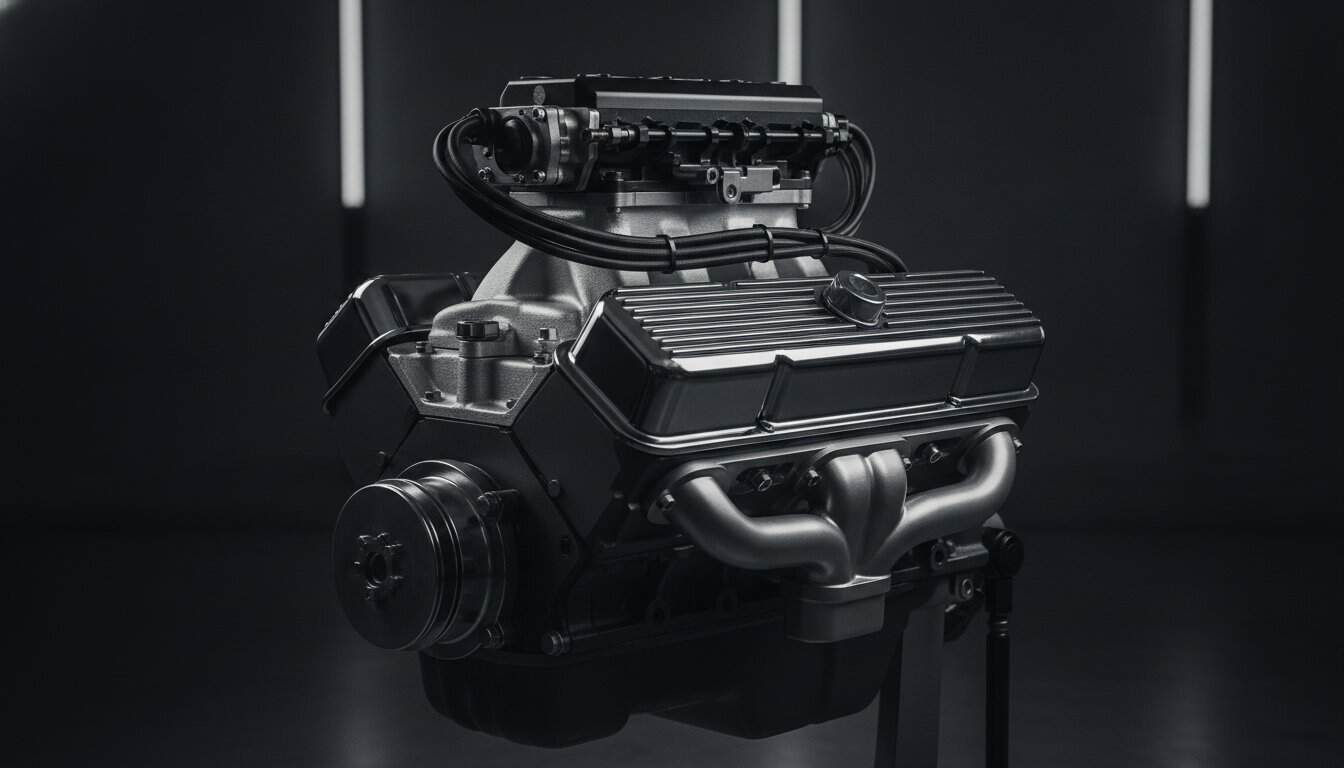
Why settle for a vintage machine that only runs when the weather is perfect and the gas is ethanol-free? We all love the mechanical soul of a carbureted engine, but the frustration of vapor lock in the summer heat or a car that refuses to start after sitting for a week is a high price to pay for heritage. You deserve a ride that offers the best of both worlds. By upgrading to fuel injection for classic cars, you can finally eliminate the temperamental nature of old-school fueling while gaining crisp throttle response and modern drivability. It’s about preserving the soul of your machine while ensuring it’s ready to perform whenever you turn the key.
This 2026 conversion guide will show you how to bridge the gap between tradition and technology. We’ll explore the latest self-tuning systems like the Holley Sniper 2 and FiTech Easy Street kits that simplify the wiring process and make installation achievable for any dedicated DIYer. From understanding how new legislation like SB 1392 might impact your build to choosing between throttle body and multi-port setups, we’ll provide the roadmap you need to transform your project. Let’s take the mystery out of the electronics and get your classic back on the road where it belongs.
Key Takeaways
- Understand why modern pump gas makes carburetors obsolete and how electronic systems permanently solve the vapor lock dilemma.
- Compare the ease of Throttle Body Injection against the power potential of Multi-Port systems to find the perfect fit for your engine.
- Prepare your project for fuel injection for classic cars by correctly sizing your alternator and designing a high-pressure fuel delivery loop.
- Demystify the tuning process by learning to navigate the interface between self-learning ECUs and manual handheld adjustments.
- Gain the confidence to move beyond the garage queen status and enjoy the turn-key reliability of a precision-tuned modern performer.
Why Fuel Injection is the Ultimate Reliability Upgrade for Classic Cars
Carburetors were marvels of mechanical engineering for their time, but they belong to an era of vastly different fuel chemistry. Today, modern pump gas is laden with ethanol and additives that wreak havoc on vintage brass and rubber components. Transitioning to fuel injection for classic cars isn’t just a performance choice; it’s a necessity for anyone who actually wants to drive their vehicle in the modern world. When you swap that old four-barrel for a digital system, you trade mechanical guesswork for mathematical precision. This transformation turns your car from a temperamental machine into a turn-key performer that starts the first time, every time.
One of the most persistent enemies of the vintage driver is vapor lock. In high-temperature conditions, the fuel in your lines can literally boil, creating bubbles that starve the engine of its lifeblood. Carbureted systems operate at low pressures, usually between 4 and 7 PSI, which makes them incredibly vulnerable to heat soak. Modern EFI systems run at much higher pressures, often between 43 and 60 PSI. This higher pressure significantly raises the boiling point of the fuel, ensuring it stays in a liquid state even in the most grueling summer traffic. Beyond reliability, the environmental benefits are clear. Precise fuel atomization reduces unburnt hydrocarbons, making your classic run cleaner and more efficiently than it ever did from the factory.
The E10 Fuel Challenge and Your Classic Engine
Ethanol is a solvent that aggressively attacks the gaskets and needles inside a traditional carburetor, leading to persistent leaks and poor performance. Beyond the physical damage, E10 has a lower boiling point than pure gasoline. To truly understand How Electronic Fuel Injection Works, you have to appreciate the closed-loop fuel system. It keeps the fuel moving and pressurized, preventing the heat soak issues that plague static fuel bowls. This approach defines the heart of what we teach at Restomod Academy. You can learn more about this philosophy in our guide on what is a restomod, where we emphasize blending heritage style with modern mechanical integrity.
Precision Beyond the Jets: Consistency Across All Altitudes
A carburetor is a fixed-tune device that cannot adapt to its environment. If you tune it for sea level and drive into the mountains, your air-fuel ratio will drift into a rich, sluggish mess. Electronic fuel injection for classic cars uses a Manifold Absolute Pressure (MAP) sensor to read atmospheric changes in real time. The ECU then adjusts the injector pulse width to maintain the perfect mixture instantly. This means your idle remains rock solid whether you are in a cold garage or climbing a high-altitude pass. You get a perfect air-fuel ratio regardless of weather or engine temperature, providing a level of consistency that mechanical jets simply cannot match.
Understanding the Science: How Electronic Fuel Injection Works
To master fuel injection for classic cars, you must first understand the digital nervous system you are about to install. At the center of this transformation is the Electronic Control Unit, or ECU. Think of the ECU as the brain of your engine. While a traditional carburetor relies on physics and atmospheric pressure to pull fuel into the cylinders, the ECU uses logic and electrical pulses to push it there with surgical precision. It processes thousands of data points every second, making decisions that no mechanical system could ever replicate. It doesn’t just guess; it knows exactly what the engine needs at any given millisecond.
The real magic happens through the transition from open-loop to closed-loop operation. When you first turn the key, the ECU runs in open-loop mode, using pre-set values to keep the engine running while it warms up. Once the sensors reach operating temperature, the system enters closed-loop mode. In this state, the engine actually learns while you drive by monitoring the exhaust gases and adjusting the fuel delivery on the fly. This constant feedback loop is why the oxygen sensor is the most critical component in your entire kit. By analyzing the Benefits Of Replacing a Carburetor, it’s easy to see that this real-time adaptability is the primary reason why fuel injection for classic cars has become the gold standard for modern reliability. A fuel map is a digital three-dimensional table of engine requirements that dictates exactly how much fuel to deliver based on RPM and engine load.
The Role of Sensors in a Modernized Engine Bay
Sensors act as the eyes and ears of your ECU, providing the data necessary for peak performance. The Coolant Temperature Sensor provides the digital equivalent of a choke, adding extra fuel during cold starts so you don’t have to pump the pedal. The Throttle Position Sensor (TPS) monitors your right foot, predicting acceleration needs to provide an instant response without the bogging common in old setups. Finally, a wideband oxygen sensor provides the precise data needed to maintain the perfect air-fuel ratio under any driving condition. If you want to see how these sensors integrate into a full build, check out our LS engine swap guide for a deeper dive into modern wiring.
Ignition Timing Control: The Hidden Benefit of EFI
Many enthusiasts overlook the fact that a modern ECU can also manage your spark. Moving beyond the mechanical distributor allows for precise ignition timing that adapts to every situation your engine faces. If the system detects a lean condition or high heat that could cause engine knock, the ECU can retard the timing automatically to protect your hardware. Integrating fuel and spark delivery results in a much smoother power curve and better overall drivability. This synergy ensures that your vintage machine isn’t just reliable; it’s optimized for every mile of the road ahead.
Comparing EFI Systems: Throttle Body vs Multi-Port vs Stealth
Assess your project goals and skill level before you commit to a specific architecture. Not every vintage engine requires a race-spec setup to achieve modern reliability. The market for fuel injection for classic cars has expanded significantly, offering everything from simple bolt-on units to complex systems that require custom manifold fabrication. Your choice should balance the desire for peak performance with the practical reality of your workshop capabilities and budget. Whether you want a system that blends into the engine bay or one that stands out as a centerpiece of modern engineering, there is a solution designed for your specific build.
Understand the fundamental difference between how these systems deliver fuel. Most entry-level kits use batch fire injection, where injectors fire in groups regardless of the specific intake valve position. This is simple and effective for most street-driven classics. Higher-end systems utilize sequential injection, which times each individual fuel pulse to the exact opening of the intake valve. This level of precision, often found in multi-port setups, results in a more stable idle and better fuel economy, though it requires more complex wiring and a camshaft sync signal. For those who value the heritage look, stealth systems hide the injectors and sensors inside a housing that mimics a traditional 4150-style carburetor, allowing you to keep your vintage air cleaner and linkage intact.
TBI Systems: The Entry Point for DIY Restomoders
Throttle Body Injection (TBI) is the preferred choice for most 4-barrel carburetor replacements because it bolts directly to your existing intake manifold. Units like the FiTech Easy Street, which is priced at $787.10 as of July 2026, integrate the ECU and fuel pressure regulator into the throttle body itself. This reduces the amount of wiring and plumbing required in the engine bay. Some systems use internal regulators to keep the installation tidy, while others require an external regulator and a return line to the tank. Before you begin your installation, visit our recommended gear page to ensure you have the specialized fuel line tools and high-pressure fittings necessary for a leak-free system.
Multi-Port and Port Injection: For the Performance Obsessed
If your build is focused on maximum power and volumetric efficiency, multi-port fuel injection (MPFI) is the gold standard. By placing an injector at each intake port, the system provides better cooling of the intake charge and more consistent fueling across all cylinders. This setup is significantly more complex, often requiring a dedicated EFI intake manifold or the machining of your current one to accept injector bungs. Systems like the FAST EZ-EFI multi-port kits range from $2,000 to $5,000, reflecting their advanced capabilities. While the cost is higher, the reward is a level of tunability and engine safety that TBI systems cannot match, making it the right choice for high-horsepower or forced-induction projects.
Planning Your EFI Conversion: Essential Components and Installation
Mastering fuel injection for classic cars requires a methodical approach to the engine’s supporting cast. You cannot simply bolt on a throttle body and expect perfection if the foundation of your vehicle is stuck in the 1960s. The transition from a mechanical fuel system to a digital one involves five critical steps that ensure your project is a success rather than a series of roadside failures. Start by assessing your electrical system. Most vintage alternators produce between 35 and 65 amps, which was sufficient for points-style ignitions and incandescent bulbs. Modern EFI systems, however, demand a stable voltage supply to power the ECU, high-pressure fuel pump, and electric fans. You should consider an upgrade to a 100-amp or higher internal-regulated alternator to keep your digital brain from starving for current.
The Fuel Delivery System: High-Pressure Plumbing
Your original mechanical fuel pump must be bypassed entirely because it cannot produce the 43 to 60 PSI required for modern injectors. You have two primary choices for fuel delivery: an in-tank pump or an external inline pump. In-tank pumps are the superior choice for longevity and noise reduction, as the fuel acts as a natural coolant and sound insulator. External pumps are easier to install but are prone to overheating and cavitation if not mounted below the fuel level. Regardless of the pump location, you must install a dedicated return line to the tank. This creates a continuous loop that prevents fuel from stagnating and boiling in the engine bay. Ensure every inch of your plumbing uses high-pressure rated fuel hoses and EFI-specific clamps to prevent dangerous leaks under the hood.
Once the fuel system is pressurized, focus on the mechanical synchronization. Mounting the throttle body is straightforward, but synchronizing the throttle linkage is where precision matters. Ensure your pedal reaches wide-open throttle exactly when the butterfly valves do, without any binding or sticking. Next, address sensor placement. Your wideband oxygen sensor needs to be welded into the exhaust at least 10 to 15 degrees above horizontal. This prevents condensation from pooling on the sensor tip and causing premature failure. Ensure there are no exhaust leaks upstream of this sensor, as even a pinhole leak will trick the ECU into thinking the engine is lean, causing it to dump excess fuel into your cylinders.
Wiring and Electrical: Powering the Brain
Clean power is non-negotiable for electronic fuel injection. You must connect the main power and ground leads directly to the battery terminals, not the fuse block or the firewall. This prevents electrical “noise” from other components from interfering with the ECU’s sensitive logic. Manage electromagnetic interference (EMI) by keeping your sensor wires separated from high-voltage spark plug wires and the alternator output. If you want to see how these wiring principles apply to more complex swaps, explore the technical requirements of an LS engine conversion to understand professional-grade harness management. Before the first start-up, cycle the key to prime the fuel system and check for leaks. Only after you’ve verified the fuel pressure should you engage the starter and let the ECU begin its learning process. To ensure your installation meets professional standards, download our Premium Project Blueprints for a step-by-step checklist of the entire process.
Mastering the Build: Tuning and Integration with Restomod Academy
Don’t fall for the marketing trap that suggests modern ECUs are magic boxes requiring zero human input. While the self-learning capabilities of fuel injection for classic cars are impressive, they are only as good as the initial parameters you provide. You still need to understand your engine’s vitals, such as target air-fuel ratios and base ignition timing, to give the system a solid foundation. If you feed the ECU incorrect data during the initial setup, it will spend its entire life trying to correct for a fundamental error. Take the time to verify your vacuum levels and throttle position before you ever engage the learning mode. The satisfaction of a clean data log is the reward for your meticulous labor in the workshop.
Choose the right interface for your skill level and project goals. Most enthusiasts will find success with handheld tuners, such as the Aces 2nd Gen 5-inch or 7-inch units running the latest v2.43 or v2.67 firmware. These devices allow for quick adjustments to idle speed and fuel offsets without needing a degree in computer science. However, if you are chasing every last bit of horsepower or managing a boosted application, you may need to transition to laptop-based software. Professional suites like EFILive, which utilizes the FlashScan V3 device priced around $1,450, or version 9.0 of EFI Technology software, offer the granular control necessary for high-level builds. This is where you can fine-tune individual cylinder trims and transient fueling for a truly professional result.
Integrate your digital brain with the rest of your cockpit to complete the transformation. Many modern EFI kits use CAN bus communication to send engine data directly to digital dashes from companies like Holley or Dakota Digital. This eliminates the need for messy auxiliary gauges and provides a clean, cohesive look that respects your car’s heritage while embracing modern precision. As you finalize the installation, document your wiring meticulously. Use a dedicated notebook or digital folder to store your wiring diagrams, sensor part numbers, and a copy of your final fuel map. Label every wire in the harness with heat-shrink labels. Future you will be incredibly grateful when it comes time for troubleshooting or routine maintenance.
Self-Learning vs Professional Dyno Tuning
The ECU can fix minor fueling deviations, but it cannot fix mechanical failures or poor component selection. Self-learning systems are designed to get you on the road and handle daily driving variations, but they aren’t a replacement for a professional tuner in high-stakes scenarios. If your build involves high compression, a massive camshaft, or forced induction, seek out a dyno session. A professional can use data logs to identify mechanical issues, like a failing fuel pump or a hidden vacuum leak, before they cause catastrophic engine failure. They will ensure your fuel injection for classic cars is optimized for both safety and maximum performance.
Taking the Next Step in Your Restomod Journey
Fuel injection is often the first major step in a larger project roadmap that leads to a fully modernized classic. Once you have mastered the fueling, you may find yourself looking toward suspension geometry or modern braking systems to match your new power. This is the essence of the hobby, and we are here to guide you through every technical hurdle. If you find yourself stuck on a complex wiring issue or need help selecting the right components for a unique swap, our Restomod Consulting Services provide the expert mentorship you need. For a complete overview of how these systems fit into the bigger picture, read our guide on what is a restomod to understand the broader context of heritage and performance. When you are ready to execute your vision with professional-grade precision, The Ultimate Restomod Guide is the essential companion for your journey.
Ready to Transform Your Drive?
You’ve explored the science behind modern fueling and weighed the benefits of throttle body versus multi-port systems. You now understand that fuel injection for classic cars is the bridge between vintage aesthetics and turn-key reliability. It’s the end of the vapor lock era and the beginning of a machine that adapts to you, not the other way around. Every sensor placement and wiring connection is a step toward a car that’s as dependable as it is beautiful. By following a methodical approach to your electrical and fuel systems, you can eliminate the temperamental nature of the carburetor once and for all.
To ensure your project meets the highest standards of safety and precision, Download The Ultimate Restomod Guide to master your EFI conversion. Benefit from the expert mentorship of Brook Walsh and our collection of step-by-step project blueprints. We’ve built these authoritative guides on modern engine swaps so you can focus on the joy of the build rather than the frustration of the unknown. Grab your tools and start the journey. Your classic is ready for its next chapter, and the road is waiting for you to take the lead.
Frequently Asked Questions
Will converting to fuel injection increase my classic car’s horsepower?
Converting to fuel injection for classic cars typically doesn’t result in a massive jump in peak horsepower if your carburetor was already well-tuned and sized correctly. However, you’ll see a noticeable improvement in the power curve and throttle response. The real victory is the elimination of flat spots and bogs that plague mechanical systems, giving you more usable power throughout the RPM range.
Do I need to change my fuel tank to install an EFI system?
You don’t necessarily need to replace your entire fuel tank, but you must provide a way to house a high-pressure electric pump. You can modify your existing tank with an aftermarket pump module or use an external inline pump. Many builders choose to swap in a new EFI-ready tank because it includes internal baffling to prevent fuel starvation during hard cornering, which is a common issue with standard tanks.
How much does a fuel injection conversion for a classic car typically cost?
The cost of a conversion depends on the system complexity and your existing hardware. Basic throttle body kits like the FiTech Easy Street are available for $787.10 as of July 2026, while more advanced setups like the Holley Sniper 2 start around $1,169.95. Remember to budget for supporting components like high-pressure fuel lines, filters, and potential electrical upgrades that can add several hundred dollars to the total project.
Can I still use my original air cleaner with a throttle body injection system?
Yes, most throttle body injection systems are designed with the classic 5.125-inch neck found on standard four-barrel carburetors. This allows you to retain your vintage air cleaner and maintain the period-correct look of your engine bay. Always verify the height of the new unit to ensure you have enough hood clearance before you finalize the installation, as some EFI units sit slightly higher than the carb they replace.
Is it possible to hide the EFI wiring to keep a stock engine look?
You can definitely hide the wiring to maintain a stock appearance in your engine bay. Use black braided sleeving to blend the harness into existing factory wiring and route the main loom through the firewall in discrete locations. Some enthusiasts choose “stealth” throttle bodies that tuck the injectors and ECU inside a housing that looks exactly like a traditional carburetor to keep the modernization a secret.
What happens if the ECU fails while I am out driving?
If a modern ECU fails while you are driving, the engine will likely shut down immediately to prevent hardware damage. While these units are built for extreme automotive environments, failures are usually caused by poor grounding or excessive heat soak. Always mount your ECU away from direct heat sources and ensure your wiring harness is secured to prevent vibration damage that could lead to a short circuit over time.
Does an EFI conversion require a high-output alternator?
Most fuel injection for classic cars installations require a high-output alternator to handle the increased electrical load. A high-pressure electric fuel pump and the ECU itself pull more amperage than a factory 35-amp or 60-amp alternator was designed to sustain. Aim for a unit that produces at least 100 amps to ensure your battery stays charged and your digital components receive the steady voltage they need to function.
How long does a typical fuel injection installation take for a DIY builder?
A typical throttle body injection installation usually takes a DIY builder a full weekend to complete. The first day is generally spent on the fuel system plumbing and tank modifications, while the second day focuses on the wiring and initial setup. More complex multi-port systems that require intake manifold changes or custom fabrication will naturally take longer and demand a higher level of mechanical experience.
Why settle for a vintage machine that only runs when the weather is perfect and the gas is ethanol-free? We all love the mechanical soul of a carbureted engine, but the frustration of vapor lock in the summer heat or a car that refuses to start after sitting for a week is a high price to pay for heritage. You deserve a ride that offers the best of both worlds. By upgrading to fuel injection for classic cars, you can finally eliminate the temperamental nature of old-school fueling while gaining crisp throttle response and modern drivability. It’s about preserving the soul of your machine while ensuring it’s ready to perform whenever you turn the key.
This 2026 conversion guide will show you how to bridge the gap between tradition and technology. We’ll explore the latest self-tuning systems like the Holley Sniper 2 and FiTech Easy Street kits that simplify the wiring process and make installation achievable for any dedicated DIYer. From understanding how new legislation like SB 1392 might impact your build to choosing between throttle body and multi-port setups, we’ll provide the roadmap you need to transform your project. Let’s take the mystery out of the electronics and get your classic back on the road where it belongs.
Key Takeaways
- Understand why modern pump gas makes carburetors obsolete and how electronic systems permanently solve the vapor lock dilemma.
- Compare the ease of Throttle Body Injection against the power potential of Multi-Port systems to find the perfect fit for your engine.
- Prepare your project for fuel injection for classic cars by correctly sizing your alternator and designing a high-pressure fuel delivery loop.
- Demystify the tuning process by learning to navigate the interface between self-learning ECUs and manual handheld adjustments.
- Gain the confidence to move beyond the garage queen status and enjoy the turn-key reliability of a precision-tuned modern performer.
Why Fuel Injection is the Ultimate Reliability Upgrade for Classic Cars
Carburetors were marvels of mechanical engineering for their time, but they belong to an era of vastly different fuel chemistry. Today, modern pump gas is laden with ethanol and additives that wreak havoc on vintage brass and rubber components. Transitioning to fuel injection for classic cars isn’t just a performance choice; it’s a necessity for anyone who actually wants to drive their vehicle in the modern world. When you swap that old four-barrel for a digital system, you trade mechanical guesswork for mathematical precision. This transformation turns your car from a temperamental machine into a turn-key performer that starts the first time, every time.
One of the most persistent enemies of the vintage driver is vapor lock. In high-temperature conditions, the fuel in your lines can literally boil, creating bubbles that starve the engine of its lifeblood. Carbureted systems operate at low pressures, usually between 4 and 7 PSI, which makes them incredibly vulnerable to heat soak. Modern EFI systems run at much higher pressures, often between 43 and 60 PSI. This higher pressure significantly raises the boiling point of the fuel, ensuring it stays in a liquid state even in the most grueling summer traffic. Beyond reliability, the environmental benefits are clear. Precise fuel atomization reduces unburnt hydrocarbons, making your classic run cleaner and more efficiently than it ever did from the factory.
The E10 Fuel Challenge and Your Classic Engine
Ethanol is a solvent that aggressively attacks the gaskets and needles inside a traditional carburetor, leading to persistent leaks and poor performance. Beyond the physical damage, E10 has a lower boiling point than pure gasoline. To truly understand How Electronic Fuel Injection Works, you have to appreciate the closed-loop fuel system. It keeps the fuel moving and pressurized, preventing the heat soak issues that plague static fuel bowls. This approach defines the heart of what we teach at Restomod Academy. You can learn more about this philosophy in our guide on what is a restomod, where we emphasize blending heritage style with modern mechanical integrity.
Precision Beyond the Jets: Consistency Across All Altitudes
A carburetor is a fixed-tune device that cannot adapt to its environment. If you tune it for sea level and drive into the mountains, your air-fuel ratio will drift into a rich, sluggish mess. Electronic fuel injection for classic cars uses a Manifold Absolute Pressure (MAP) sensor to read atmospheric changes in real time. The ECU then adjusts the injector pulse width to maintain the perfect mixture instantly. This means your idle remains rock solid whether you are in a cold garage or climbing a high-altitude pass. You get a perfect air-fuel ratio regardless of weather or engine temperature, providing a level of consistency that mechanical jets simply cannot match.
Understanding the Science: How Electronic Fuel Injection Works
To master fuel injection for classic cars, you must first understand the digital nervous system you are about to install. At the center of this transformation is the Electronic Control Unit, or ECU. Think of the ECU as the brain of your engine. While a traditional carburetor relies on physics and atmospheric pressure to pull fuel into the cylinders, the ECU uses logic and electrical pulses to push it there with surgical precision. It processes thousands of data points every second, making decisions that no mechanical system could ever replicate. It doesn’t just guess; it knows exactly what the engine needs at any given millisecond.
The real magic happens through the transition from open-loop to closed-loop operation. When you first turn the key, the ECU runs in open-loop mode, using pre-set values to keep the engine running while it warms up. Once the sensors reach operating temperature, the system enters closed-loop mode. In this state, the engine actually learns while you drive by monitoring the exhaust gases and adjusting the fuel delivery on the fly. This constant feedback loop is why the oxygen sensor is the most critical component in your entire kit. By analyzing the Benefits Of Replacing a Carburetor, it’s easy to see that this real-time adaptability is the primary reason why fuel injection for classic cars has become the gold standard for modern reliability. A fuel map is a digital three-dimensional table of engine requirements that dictates exactly how much fuel to deliver based on RPM and engine load.
The Role of Sensors in a Modernized Engine Bay
Sensors act as the eyes and ears of your ECU, providing the data necessary for peak performance. The Coolant Temperature Sensor provides the digital equivalent of a choke, adding extra fuel during cold starts so you don’t have to pump the pedal. The Throttle Position Sensor (TPS) monitors your right foot, predicting acceleration needs to provide an instant response without the bogging common in old setups. Finally, a wideband oxygen sensor provides the precise data needed to maintain the perfect air-fuel ratio under any driving condition. If you want to see how these sensors integrate into a full build, check out our LS engine swap guide for a deeper dive into modern wiring.
Ignition Timing Control: The Hidden Benefit of EFI
Many enthusiasts overlook the fact that a modern ECU can also manage your spark. Moving beyond the mechanical distributor allows for precise ignition timing that adapts to every situation your engine faces. If the system detects a lean condition or high heat that could cause engine knock, the ECU can retard the timing automatically to protect your hardware. Integrating fuel and spark delivery results in a much smoother power curve and better overall drivability. This synergy ensures that your vintage machine isn’t just reliable; it’s optimized for every mile of the road ahead.
Comparing EFI Systems: Throttle Body vs Multi-Port vs Stealth
Assess your project goals and skill level before you commit to a specific architecture. Not every vintage engine requires a race-spec setup to achieve modern reliability. The market for fuel injection for classic cars has expanded significantly, offering everything from simple bolt-on units to complex systems that require custom manifold fabrication. Your choice should balance the desire for peak performance with the practical reality of your workshop capabilities and budget. Whether you want a system that blends into the engine bay or one that stands out as a centerpiece of modern engineering, there is a solution designed for your specific build.
Understand the fundamental difference between how these systems deliver fuel. Most entry-level kits use batch fire injection, where injectors fire in groups regardless of the specific intake valve position. This is simple and effective for most street-driven classics. Higher-end systems utilize sequential injection, which times each individual fuel pulse to the exact opening of the intake valve. This level of precision, often found in multi-port setups, results in a more stable idle and better fuel economy, though it requires more complex wiring and a camshaft sync signal. For those who value the heritage look, stealth systems hide the injectors and sensors inside a housing that mimics a traditional 4150-style carburetor, allowing you to keep your vintage air cleaner and linkage intact.
TBI Systems: The Entry Point for DIY Restomoders
Throttle Body Injection (TBI) is the preferred choice for most 4-barrel carburetor replacements because it bolts directly to your existing intake manifold. Units like the FiTech Easy Street, which is priced at $787.10 as of July 2026, integrate the ECU and fuel pressure regulator into the throttle body itself. This reduces the amount of wiring and plumbing required in the engine bay. Some systems use internal regulators to keep the installation tidy, while others require an external regulator and a return line to the tank. Before you begin your installation, visit our recommended gear page to ensure you have the specialized fuel line tools and high-pressure fittings necessary for a leak-free system.
Multi-Port and Port Injection: For the Performance Obsessed
If your build is focused on maximum power and volumetric efficiency, multi-port fuel injection (MPFI) is the gold standard. By placing an injector at each intake port, the system provides better cooling of the intake charge and more consistent fueling across all cylinders. This setup is significantly more complex, often requiring a dedicated EFI intake manifold or the machining of your current one to accept injector bungs. Systems like the FAST EZ-EFI multi-port kits range from $2,000 to $5,000, reflecting their advanced capabilities. While the cost is higher, the reward is a level of tunability and engine safety that TBI systems cannot match, making it the right choice for high-horsepower or forced-induction projects.
Planning Your EFI Conversion: Essential Components and Installation
Mastering fuel injection for classic cars requires a methodical approach to the engine’s supporting cast. You cannot simply bolt on a throttle body and expect perfection if the foundation of your vehicle is stuck in the 1960s. The transition from a mechanical fuel system to a digital one involves five critical steps that ensure your project is a success rather than a series of roadside failures. Start by assessing your electrical system. Most vintage alternators produce between 35 and 65 amps, which was sufficient for points-style ignitions and incandescent bulbs. Modern EFI systems, however, demand a stable voltage supply to power the ECU, high-pressure fuel pump, and electric fans. You should consider an upgrade to a 100-amp or higher internal-regulated alternator to keep your digital brain from starving for current.
The Fuel Delivery System: High-Pressure Plumbing
Your original mechanical fuel pump must be bypassed entirely because it cannot produce the 43 to 60 PSI required for modern injectors. You have two primary choices for fuel delivery: an in-tank pump or an external inline pump. In-tank pumps are the superior choice for longevity and noise reduction, as the fuel acts as a natural coolant and sound insulator. External pumps are easier to install but are prone to overheating and cavitation if not mounted below the fuel level. Regardless of the pump location, you must install a dedicated return line to the tank. This creates a continuous loop that prevents fuel from stagnating and boiling in the engine bay. Ensure every inch of your plumbing uses high-pressure rated fuel hoses and EFI-specific clamps to prevent dangerous leaks under the hood.
Once the fuel system is pressurized, focus on the mechanical synchronization. Mounting the throttle body is straightforward, but synchronizing the throttle linkage is where precision matters. Ensure your pedal reaches wide-open throttle exactly when the butterfly valves do, without any binding or sticking. Next, address sensor placement. Your wideband oxygen sensor needs to be welded into the exhaust at least 10 to 15 degrees above horizontal. This prevents condensation from pooling on the sensor tip and causing premature failure. Ensure there are no exhaust leaks upstream of this sensor, as even a pinhole leak will trick the ECU into thinking the engine is lean, causing it to dump excess fuel into your cylinders.
Wiring and Electrical: Powering the Brain
Clean power is non-negotiable for electronic fuel injection. You must connect the main power and ground leads directly to the battery terminals, not the fuse block or the firewall. This prevents electrical “noise” from other components from interfering with the ECU’s sensitive logic. Manage electromagnetic interference (EMI) by keeping your sensor wires separated from high-voltage spark plug wires and the alternator output. If you want to see how these wiring principles apply to more complex swaps, explore the technical requirements of an LS engine conversion to understand professional-grade harness management. Before the first start-up, cycle the key to prime the fuel system and check for leaks. Only after you’ve verified the fuel pressure should you engage the starter and let the ECU begin its learning process. To ensure your installation meets professional standards, download our Premium Project Blueprints for a step-by-step checklist of the entire process.
Mastering the Build: Tuning and Integration with Restomod Academy
Don’t fall for the marketing trap that suggests modern ECUs are magic boxes requiring zero human input. While the self-learning capabilities of fuel injection for classic cars are impressive, they are only as good as the initial parameters you provide. You still need to understand your engine’s vitals, such as target air-fuel ratios and base ignition timing, to give the system a solid foundation. If you feed the ECU incorrect data during the initial setup, it will spend its entire life trying to correct for a fundamental error. Take the time to verify your vacuum levels and throttle position before you ever engage the learning mode. The satisfaction of a clean data log is the reward for your meticulous labor in the workshop.
Choose the right interface for your skill level and project goals. Most enthusiasts will find success with handheld tuners, such as the Aces 2nd Gen 5-inch or 7-inch units running the latest v2.43 or v2.67 firmware. These devices allow for quick adjustments to idle speed and fuel offsets without needing a degree in computer science. However, if you are chasing every last bit of horsepower or managing a boosted application, you may need to transition to laptop-based software. Professional suites like EFILive, which utilizes the FlashScan V3 device priced around $1,450, or version 9.0 of EFI Technology software, offer the granular control necessary for high-level builds. This is where you can fine-tune individual cylinder trims and transient fueling for a truly professional result.
Integrate your digital brain with the rest of your cockpit to complete the transformation. Many modern EFI kits use CAN bus communication to send engine data directly to digital dashes from companies like Holley or Dakota Digital. This eliminates the need for messy auxiliary gauges and provides a clean, cohesive look that respects your car’s heritage while embracing modern precision. As you finalize the installation, document your wiring meticulously. Use a dedicated notebook or digital folder to store your wiring diagrams, sensor part numbers, and a copy of your final fuel map. Label every wire in the harness with heat-shrink labels. Future you will be incredibly grateful when it comes time for troubleshooting or routine maintenance.
Self-Learning vs Professional Dyno Tuning
The ECU can fix minor fueling deviations, but it cannot fix mechanical failures or poor component selection. Self-learning systems are designed to get you on the road and handle daily driving variations, but they aren’t a replacement for a professional tuner in high-stakes scenarios. If your build involves high compression, a massive camshaft, or forced induction, seek out a dyno session. A professional can use data logs to identify mechanical issues, like a failing fuel pump or a hidden vacuum leak, before they cause catastrophic engine failure. They will ensure your fuel injection for classic cars is optimized for both safety and maximum performance.
Taking the Next Step in Your Restomod Journey
Fuel injection is often the first major step in a larger project roadmap that leads to a fully modernized classic. Once you have mastered the fueling, you may find yourself looking toward suspension geometry or modern braking systems to match your new power. This is the essence of the hobby, and we are here to guide you through every technical hurdle. If you find yourself stuck on a complex wiring issue or need help selecting the right components for a unique swap, our Restomod Consulting Services provide the expert mentorship you need. For a complete overview of how these systems fit into the bigger picture, read our guide on what is a restomod to understand the broader context of heritage and performance. When you are ready to execute your vision with professional-grade precision, The Ultimate Restomod Guide is the essential companion for your journey.
Ready to Transform Your Drive?
You’ve explored the science behind modern fueling and weighed the benefits of throttle body versus multi-port systems. You now understand that fuel injection for classic cars is the bridge between vintage aesthetics and turn-key reliability. It’s the end of the vapor lock era and the beginning of a machine that adapts to you, not the other way around. Every sensor placement and wiring connection is a step toward a car that’s as dependable as it is beautiful. By following a methodical approach to your electrical and fuel systems, you can eliminate the temperamental nature of the carburetor once and for all.
To ensure your project meets the highest standards of safety and precision, Download The Ultimate Restomod Guide to master your EFI conversion. Benefit from the expert mentorship of Brook Walsh and our collection of step-by-step project blueprints. We’ve built these authoritative guides on modern engine swaps so you can focus on the joy of the build rather than the frustration of the unknown. Grab your tools and start the journey. Your classic is ready for its next chapter, and the road is waiting for you to take the lead.
Frequently Asked Questions
Will converting to fuel injection increase my classic car’s horsepower?
Converting to fuel injection for classic cars typically doesn’t result in a massive jump in peak horsepower if your carburetor was already well-tuned and sized correctly. However, you’ll see a noticeable improvement in the power curve and throttle response. The real victory is the elimination of flat spots and bogs that plague mechanical systems, giving you more usable power throughout the RPM range.
Do I need to change my fuel tank to install an EFI system?
You don’t necessarily need to replace your entire fuel tank, but you must provide a way to house a high-pressure electric pump. You can modify your existing tank with an aftermarket pump module or use an external inline pump. Many builders choose to swap in a new EFI-ready tank because it includes internal baffling to prevent fuel starvation during hard cornering, which is a common issue with standard tanks.
How much does a fuel injection conversion for a classic car typically cost?
The cost of a conversion depends on the system complexity and your existing hardware. Basic throttle body kits like the FiTech Easy Street are available for $787.10 as of July 2026, while more advanced setups like the Holley Sniper 2 start around $1,169.95. Remember to budget for supporting components like high-pressure fuel lines, filters, and potential electrical upgrades that can add several hundred dollars to the total project.
Can I still use my original air cleaner with a throttle body injection system?
Yes, most throttle body injection systems are designed with the classic 5.125-inch neck found on standard four-barrel carburetors. This allows you to retain your vintage air cleaner and maintain the period-correct look of your engine bay. Always verify the height of the new unit to ensure you have enough hood clearance before you finalize the installation, as some EFI units sit slightly higher than the carb they replace.
Is it possible to hide the EFI wiring to keep a stock engine look?
You can definitely hide the wiring to maintain a stock appearance in your engine bay. Use black braided sleeving to blend the harness into existing factory wiring and route the main loom through the firewall in discrete locations. Some enthusiasts choose “stealth” throttle bodies that tuck the injectors and ECU inside a housing that looks exactly like a traditional carburetor to keep the modernization a secret.
What happens if the ECU fails while I am out driving?
If a modern ECU fails while you are driving, the engine will likely shut down immediately to prevent hardware damage. While these units are built for extreme automotive environments, failures are usually caused by poor grounding or excessive heat soak. Always mount your ECU away from direct heat sources and ensure your wiring harness is secured to prevent vibration damage that could lead to a short circuit over time.
Does an EFI conversion require a high-output alternator?
Most fuel injection for classic cars installations require a high-output alternator to handle the increased electrical load. A high-pressure electric fuel pump and the ECU itself pull more amperage than a factory 35-amp or 60-amp alternator was designed to sustain. Aim for a unit that produces at least 100 amps to ensure your battery stays charged and your digital components receive the steady voltage they need to function.
How long does a typical fuel injection installation take for a DIY builder?
A typical throttle body injection installation usually takes a DIY builder a full weekend to complete. The first day is generally spent on the fuel system plumbing and tank modifications, while the second day focuses on the wiring and initial setup. More complex multi-port systems that require intake manifold changes or custom fabrication will naturally take longer and demand a higher level of mechanical experience.