
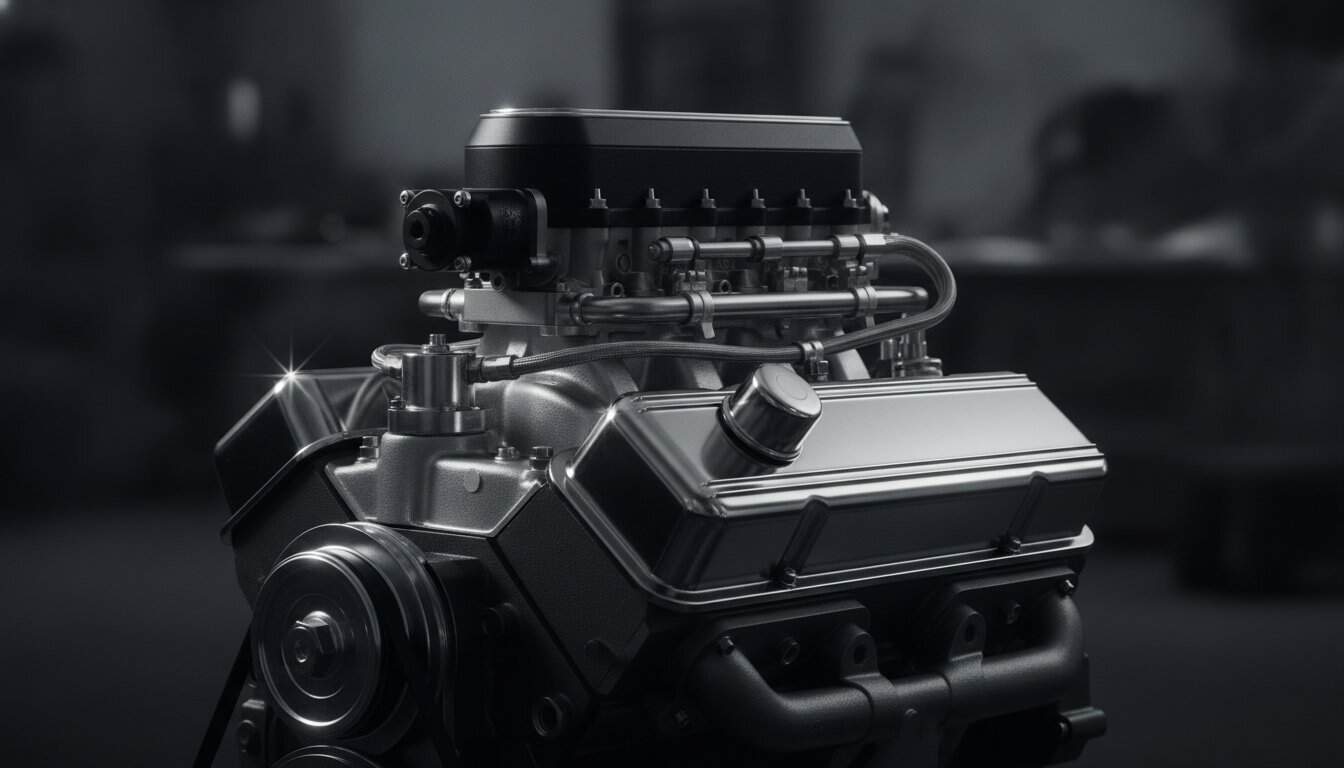
You step into the garage on a crisp Saturday morning, eager to hear the roar of your vintage V8, but instead, you are met with the sharp scent of raw gasoline and a starter that churns without a hint of combustion. It is a familiar frustration for those of us who cherish heritage machines yet struggle with the limitations of mid-century fueling. The struggle of cold starts after a week of sitting or the sudden silence of vapor lock on a hot afternoon can drain the joy from any drive. Integrating fuel injection for classic cars is no longer just a luxury for high-end shops; it is a fundamental step for any builder who values the time spent behind the wheel as much as the time spent under the hood.
Embrace the evolution of your machine because the reality of modern ethanol-blended pump gas demands a more precise solution. In this 2026 reliability guide, you will learn how to replace your temperamental carburetor with a modern fuel injection system to achieve turn-key reliability and crisp throttle response across every RPM range. Study the essential planning phases, from selecting the right throttle body to understanding ECU maps, and transform your restomod from a temperamental beauty into a dependable performance machine.
Key Takeaways
- Understand why modern ethanol-blended fuels are corrosive to vintage zinc and rubber components and how a computer-controlled system solves this chemical challenge.
- Compare the accessibility of Throttle Body Injection against the high-precision performance of Multi-Port Fuel Injection to select the right fit for your specific engine goals.
- Master the planning phase of fuel injection for classic cars by following a structured five-step workflow that ensures your fuel delivery and electronics work in perfect harmony.
- Learn why your original mechanical fuel pump must be bypassed to accommodate the high-pressure demands and safety requirements of a modern EFI system.
- Discover how EFI serves as a foundational chapter in your restomod journey, turning an intimidating technical task into a rewarding educational milestone.
The End of the Carburetor Era: Why Modern Fuels Demand EFI
The mechanical heartbeat of a carburetor is a beautiful thing, but it belongs to a different century. In the context of a modern build, electronic fuel injection (EFI) is a computer-controlled fuel delivery system that uses sensors and high-pressure injectors to deliver the exact amount of fuel your engine needs at any given millisecond. Choosing fuel injection for classic cars isn’t just about chasing peak horsepower; it’s a necessary evolution to keep these vintage machines viable on modern roads. We are moving away from the era of tuning by ear and toward a world of digital precision where air-fuel ratios are managed with surgical accuracy.
This transition is a fundamental pillar of what is a restomod. By replacing the imprecise venturi effect of a carburetor with the data-driven logic of an ECU, you eliminate the guesswork that often leads to fouled plugs and rich-running engines. It’s about taking control of the combustion process to ensure your investment stays on the road rather than sitting on a trickle charger in the garage.
To better understand this concept, watch this helpful video:
The Chemistry of Modern Pump Gas
The fuel sitting in your local gas station today is fundamentally different from what was available when your classic left the assembly line. Modern pump gas is heavily blended with ethanol, a solvent that is notoriously aggressive toward vintage components. Ethanol is hygroscopic, meaning it actively attracts moisture from the atmosphere. In a vented carburetor system, this leads to internal corrosion, specifically forming white zinc oxide deposits that clog tiny jets and passages. Modern fuel injection for classic cars uses sealed, high-pressure lines and materials designed for 2026 fuel standards, ensuring that the corrosive nature of ethanol never touches your sensitive engine internals.
Vapor Lock and Heat Soak Solutions
If you’ve ever been stranded in a parking lot on a hot afternoon, you’ve likely experienced vapor lock. Modern gasoline has a lower boiling point than vintage blends. When it sits in a hot carburetor bowl, it turns into a gas. Your mechanical pump cannot move vapor, leaving you stranded until the engine cools. EFI solves this through physics. By maintaining high pressure throughout the fuel rail, the boiling point of the gasoline is significantly raised. When weighing the technical merits of Throttle Body vs. Multi-Port Injection, remember that both systems utilize this pressurized environment to keep fuel liquid and ready for combustion, virtually eliminating heat soak issues.
Decoding EFI Systems: Throttle Body vs. Multi-Port Injection
Choosing the right system for fuel injection for classic cars often boils down to a balance between aesthetic preservation and technical ambition. Modern self-learning ECUs have changed the game for the DIY builder. You no longer need a professional tuner or a weekend on a chassis dyno to get your car running. These computers monitor the exhaust gas via an oxygen sensor and adjust the fuel map in real-time. It is a liberating shift that allows you to focus on the craftsmanship of the build rather than the complexities of code.
Throttle Body Injection: The Bolt-On Favorite
Throttle Body Injection (TBI) is often the first choice for those who want to modernize their engine without losing the period-correct look of their machine. These units are designed to bolt directly onto your existing four-barrel intake manifold, replacing the carburetor with a housing that contains the injectors and the throttle plates. You can even retain your traditional round air cleaner, keeping the modernization hidden from casual observers. However, TBI still relies on the intake manifold to distribute the air-fuel mixture to each cylinder. In older manifold designs, this can lead to slight variations in fuel distribution, which is one reason Why Modern Fuels Demand EFI systems that offer more precision.
Multi-Port Systems: Maximum Efficiency and Power
When you demand the highest level of performance from fuel injection for classic cars, Multi-Port Fuel Injection (MPFI) becomes the logical path. MPFI is the gold standard for fuel atomization and power because it places an individual injector at each intake port. This proximity to the intake valve ensures that fuel is delivered precisely when and where it is needed, preventing the lean-out conditions that can plague high-performance engines. Individual cylinder tuning becomes possible, allowing for a much smoother idle and more aggressive timing maps.
If your project involves a modern engine swap, such as a late-model V8, you are likely already working with an MPFI setup. For a deeper look at integrating these advanced systems, our definitive guide to an LS engine swap covers the plumbing and wiring required for success. While most restomodders will choose between TBI and MPFI, some newer donor engines utilize direct injection, where fuel is sprayed directly into the combustion chamber. This requires specialized components and much higher fuel pressure. For most vintage projects, sticking with indirect systems provides the perfect blend of reliability and ease of installation. If you find yourself stuck between these choices, our consulting services can help you map out the specific technical requirements of your build.
Real-World Benefits: Reliability, Drivability, and Performance
There is a profound psychological shift that occurs when you no longer have to pump the gas pedal or pray to the gods of internal combustion before turning the key. Implementing fuel injection for classic cars transforms your vehicle from a static museum piece into a reliable partner for the road. Beyond the mechanical precision, the primary gains in Reliability, Drivability, and Performance manifest as a machine that behaves predictably in every scenario, regardless of the temperature or how long it has been sitting in your garage.
Consider the safety aspect of this upgrade. Stalling in heavy traffic because of a temperamental idle is more than just an embarrassment; it is a genuine hazard. EFI ensures your engine stays running, providing consistent vacuum for power brakes and steady power for steering. You’ll also notice the absence of that raw gasoline scent that typically clings to your clothes after a Saturday morning drive. By optimizing the air-fuel mixture, you reduce wasted fuel and harmful emissions, often seeing a noticeable improvement in fuel economy depending on your previous carburetor setup.
Drivability in the Modern World
Modern driving environments demand more from our classics than the open roads of the mid-century. If you’ve upgraded your project with modern air conditioning, an EFI system provides essential idle compensation. The ECU detects the additional load of the compressor and adjusts the throttle accordingly, preventing the RPM dip that causes carbureted engines to stumble at red lights. This adaptability extends to geography. If your road trip takes you from sea level to mountain passes, the manifold absolute pressure sensor automatically compensates for the thinner air. Some purists argue that removing the carburetor strips the car of its soul. I disagree. The soul of a car is found in the miles you cover, not in the frustration of a flooded engine. Reliability empowers you to drive more often, which is the heart of the what is a restomod philosophy.
Aesthetic Integration for Restomods
Achieving a factory-clean look requires a methodical approach to cable management and component placement. Hide your wiring harnesses inside the inner fenders or use braided loom that mimics original cloth wraps to maintain a period-correct appearance. Many manufacturers now offer solutions for fuel injection for classic cars that look remarkably like a classic Holley or Rochester unit. This allows you to keep your iconic chrome air cleaner while enjoying the precision of modern injectors. For those focusing on the overall harmony of their project, ensuring the engine bay matches the quality standards found in our product reviews and technical guides is vital for a professional finish. Every component should feel like it belongs, creating a seamless bridge between heritage style and 2026 technology.

Planning Your EFI Conversion: The Total System Approach
Approach your conversion with the discipline of an engineer rather than the haste of a weekend hobbyist. Installing fuel injection for classic cars is not a simple part swap; it is a total system integration. You aren’t just replacing a carburetor; you’re building an ecosystem of sensors, high-pressure plumbing, and digital logic. Success begins with a structured 5-step workflow: mapping your system architecture, overhauling the fuel delivery, installing sensors, executing the wiring, and finally, initial calibration. Don’t rush these steps. Precision in the planning phase saves you from troubleshooting gremlins on the side of the road later.
One of the most critical mechanical changes involves your fuel supply. You must remove or bypass your existing mechanical fuel pump. These vintage units are designed for low-pressure delivery, usually around 5 to 7 PSI, which is nowhere near the 43 to 60 PSI required for modern injectors. Additionally, your electrical system needs a promotion. Most factory alternators from the 1960s or 70s produce 35 to 60 amps, which is insufficient to power a high-pressure fuel pump, electric cooling fans, and the ECU simultaneously. Plan for a high-output alternator and ensure you have a clean, direct ground to the battery to prevent electrical noise from corrupting sensor data.
The Fuel Delivery Architecture
Your choice between an in-tank or external fuel pump will define the noise floor and reliability of your build. In-tank pumps are the superior choice because the fuel acts as a natural coolant and sound dampener, extending the life of the pump. Regardless of the pump location, you must address fuel slosh. Unlike a carburetor with a float bowl reservoir, EFI injectors require a constant, bubble-free supply of high-pressure fuel. If you use a vintage tank without internal baffles, you will experience engine stumbling during hard cornering or acceleration as the fuel moves away from the pickup. You must also decide between a return-style system, which uses a regulator to send excess fuel back to the tank, or a returnless system. Return-style is generally preferred for high-performance builds to keep fuel temperatures lower.
Electrical and Ignition Integration
An EFI system is only as good as the data it receives. You’ll need to install a wideband O2 sensor in your exhaust, a coolant temperature sensor in the engine block, and a manifold absolute pressure (MAP) sensor. These components require a stable 12V source that does not drop out during cranking. If your voltage dips too low while the starter is turning, the ECU may reboot, leading to difficult starts. To truly unlock the potential of your machine, integrate your electronic ignition control with the ECU. This allows for a full 3D timing map, providing better efficiency than any mechanical advance could dream of. If you are planning a more extensive transformation, our definitive guide to an LS engine swap offers deep insights into these complex integrations. If you need personalized help mapping out your specific build, our Restomod Consulting Services are available to guide you through the technical hurdles.
Mastering Your Restomod Build with Professional Guidance
Mastering the art of the restomod requires more than just mechanical aptitude; it demands a strategic mindset. While we have explored the technical depths of fuel injection for classic cars, it is essential to see this upgrade as one piece of a much larger puzzle. Many enthusiasts start with high energy but hit a wall when the complexity of modern wiring meets fifty-year-old steel. This is where a structured roadmap becomes your most valuable tool in the workshop. By treating your build as a series of logical, achievable milestones, you protect yourself from the burnout that leaves so many projects unfinished in the back of a garage.
The transition from a passive admirer to an active creator happens when you stop guessing and start following a proven framework. EFI is a cornerstone of this journey, but it must work in harmony with your suspension, braking, and electrical systems. You are not just building a car; you are engineering an experience. Joining a community of like-minded builders who value both heritage aesthetics and 2026 performance levels provides the camaraderie needed to push through the most difficult phases of a restoration.
The Ultimate Restomod Guide
Success in the workshop is built on a foundation of education. At Restomod Academy, we have developed comprehensive modules designed to take you through every phase of your project with confidence. Authored by seasoned enthusiast Brook Walsh, The Ultimate Restomod Guide serves as your digital mentor, covering everything from the nuances of high-pressure fuel systems to the complexities of chassis stiffening. Before you turn the first bolt, it is vital to define your build goals clearly. This ensures that every dollar spent and every hour of labor contributes to a cohesive final vision, rather than a collection of mismatched parts that don’t perform as expected.
Consulting and Blueprints
Even the most experienced builders encounter hurdles that require a second set of expert eyes. Whether you are struggling with a specific ECU map or planning fuel injection for classic cars, leveraging professional guidance can save you weeks of frustration. Our Restomod Consulting Services provide direct access to seasoned expertise, helping you solve technical challenges with precision. Additionally, our Premium Project Blueprints offer specific engine and EFI combinations, removing the guesswork from your build architecture. Don’t let a technical roadblock stall your progress. Join the academy today, access our specialized resources, and start the transformation that will turn your vintage machine into a turn-key masterpiece.
Ignite Your Build with Digital Precision
The transition from a temperamental carburetor to a modern fuel delivery system is more than a technical upgrade; it’s a commitment to the longevity of your vintage machine. By mastering the chemistry of modern fuels and adopting a total system approach, you eliminate the mechanical anxieties that keep so many classics confined to the garage. You’ve seen how fuel injection for classic cars provides the turn-key reliability and crisp throttle response required to navigate 2026 traffic with confidence. This project is a foundational chapter in your restomod education, bridging the gap between nostalgic aesthetics and contemporary performance.
Don’t let technical uncertainty stall your progress in the workshop. Our expert-led tutorials by Brook Walsh and comprehensive project blueprints provide the authoritative guide to modernizing vintage steel that every builder needs. Start your journey with The Ultimate Restomod Guide today and join a community of enthusiasts dedicated to precision and heritage. The road is waiting. With the right guidance, your classic will be ready to meet it every single time you turn the key.
Frequently Asked Questions
Do I need a new fuel tank for an EFI conversion?
You don’t necessarily need a new tank, but you must address fuel slosh. You can modify your existing tank with an EFI-ready pump hanger that includes an internal baffle or specialized fuel mat to prevent pump starvation. Another option is a frame-mounted surge tank. However, many builders find that a new, baffled EFI tank is the most reliable way to ensure a constant fuel supply during spirited driving and hard cornering.
Can I install fuel injection on my classic car myself?
You can certainly handle this project if you have basic mechanical skills and a methodical approach. Modern kits are engineered for the DIY community, featuring plug-and-play harnesses and clear instructions. If you’ve successfully swapped an intake manifold or installed an electronic ignition, you have the foundational skills. Just remember to take your time with the wiring and fuel line plumbing to ensure a safe, leak-free installation that lasts for years.
Will fuel injection increase the horsepower of my classic engine?
You will likely see a gain in usable power, though the peak horsepower increase depends on your previous carburetor’s tune. The real advantage of fuel injection for classic cars is the optimization of the air-fuel ratio across every RPM and load scenario. This results in a much broader powerband and crisper acceleration. You’ll find the car feels more energetic and responsive because the engine isn’t struggling with the inherent compromises of a mechanical fuel system.
Is a laptop required to tune a modern EFI system?
You don’t need a laptop for most modern installations. The majority of current systems feature self-learning ECUs that calibrate themselves as you drive. You simply input basic engine data into a provided handheld touchscreen controller to get the car started. While professional tuners might use a laptop to squeeze out every last drop of performance on a chassis dyno, the average enthusiast can achieve excellent results using only the included handheld unit.
Can I still use my original air cleaner with a throttle body EFI?
You can absolutely keep your original air cleaner in most cases. Throttle body EFI units are specifically designed to mimic the mounting flange of traditional four-barrel carburetors. This allows you to bolt your vintage chrome or painted air cleaner directly onto the new unit. It is a perfect solution for builders who want the reliability of modern technology without sacrificing the iconic, period-correct look of their engine bay during a show.
What is the average cost of a fuel injection conversion in 2026?
The total investment for a conversion depends on whether you choose a basic throttle body setup or a comprehensive multi-port system. You also need to account for peripheral components like high-pressure fuel lines, a new fuel pump, and potentially a high-output alternator. Because prices for these components fluctuate based on brand and technical specifications, we recommend researching current kit options to establish a budget that fits your specific performance goals and mechanical requirements.
Does EFI require a return line to the fuel tank?
Most experts recommend a return-style system for maximum reliability. This setup uses a fuel pressure regulator to send unused fuel back to the tank, which helps keep the fuel cool and prevents the pump from straining against a dead head. While some returnless systems are available to simplify plumbing, a return line is the gold standard for preventing vapor lock and ensuring consistent fuel pressure during high-demand driving situations in hot weather.
How does fuel injection affect the resale value of a classic car?
Integrating fuel injection for classic cars generally has a positive impact on resale value within the restomod community. While a numbers-matching restoration might lose value with such a change, most buyers in 2026 are looking for a vehicle they can actually enjoy on the road. A car that starts instantly and drives reliably in any weather is a much more attractive proposition for the modern enthusiast than a temperamental, carbureted machine that requires constant adjustment.
You step into the garage on a crisp Saturday morning, eager to hear the roar of your vintage V8, but instead, you are met with the sharp scent of raw gasoline and a starter that churns without a hint of combustion. It is a familiar frustration for those of us who cherish heritage machines yet struggle with the limitations of mid-century fueling. The struggle of cold starts after a week of sitting or the sudden silence of vapor lock on a hot afternoon can drain the joy from any drive. Integrating fuel injection for classic cars is no longer just a luxury for high-end shops; it is a fundamental step for any builder who values the time spent behind the wheel as much as the time spent under the hood.
Embrace the evolution of your machine because the reality of modern ethanol-blended pump gas demands a more precise solution. In this 2026 reliability guide, you will learn how to replace your temperamental carburetor with a modern fuel injection system to achieve turn-key reliability and crisp throttle response across every RPM range. Study the essential planning phases, from selecting the right throttle body to understanding ECU maps, and transform your restomod from a temperamental beauty into a dependable performance machine.
Key Takeaways
- Understand why modern ethanol-blended fuels are corrosive to vintage zinc and rubber components and how a computer-controlled system solves this chemical challenge.
- Compare the accessibility of Throttle Body Injection against the high-precision performance of Multi-Port Fuel Injection to select the right fit for your specific engine goals.
- Master the planning phase of fuel injection for classic cars by following a structured five-step workflow that ensures your fuel delivery and electronics work in perfect harmony.
- Learn why your original mechanical fuel pump must be bypassed to accommodate the high-pressure demands and safety requirements of a modern EFI system.
- Discover how EFI serves as a foundational chapter in your restomod journey, turning an intimidating technical task into a rewarding educational milestone.
The End of the Carburetor Era: Why Modern Fuels Demand EFI
The mechanical heartbeat of a carburetor is a beautiful thing, but it belongs to a different century. In the context of a modern build, electronic fuel injection (EFI) is a computer-controlled fuel delivery system that uses sensors and high-pressure injectors to deliver the exact amount of fuel your engine needs at any given millisecond. Choosing fuel injection for classic cars isn’t just about chasing peak horsepower; it’s a necessary evolution to keep these vintage machines viable on modern roads. We are moving away from the era of tuning by ear and toward a world of digital precision where air-fuel ratios are managed with surgical accuracy.
This transition is a fundamental pillar of what is a restomod. By replacing the imprecise venturi effect of a carburetor with the data-driven logic of an ECU, you eliminate the guesswork that often leads to fouled plugs and rich-running engines. It’s about taking control of the combustion process to ensure your investment stays on the road rather than sitting on a trickle charger in the garage.
To better understand this concept, watch this helpful video:
The Chemistry of Modern Pump Gas
The fuel sitting in your local gas station today is fundamentally different from what was available when your classic left the assembly line. Modern pump gas is heavily blended with ethanol, a solvent that is notoriously aggressive toward vintage components. Ethanol is hygroscopic, meaning it actively attracts moisture from the atmosphere. In a vented carburetor system, this leads to internal corrosion, specifically forming white zinc oxide deposits that clog tiny jets and passages. Modern fuel injection for classic cars uses sealed, high-pressure lines and materials designed for 2026 fuel standards, ensuring that the corrosive nature of ethanol never touches your sensitive engine internals.
Vapor Lock and Heat Soak Solutions
If you’ve ever been stranded in a parking lot on a hot afternoon, you’ve likely experienced vapor lock. Modern gasoline has a lower boiling point than vintage blends. When it sits in a hot carburetor bowl, it turns into a gas. Your mechanical pump cannot move vapor, leaving you stranded until the engine cools. EFI solves this through physics. By maintaining high pressure throughout the fuel rail, the boiling point of the gasoline is significantly raised. When weighing the technical merits of Throttle Body vs. Multi-Port Injection, remember that both systems utilize this pressurized environment to keep fuel liquid and ready for combustion, virtually eliminating heat soak issues.
Decoding EFI Systems: Throttle Body vs. Multi-Port Injection
Choosing the right system for fuel injection for classic cars often boils down to a balance between aesthetic preservation and technical ambition. Modern self-learning ECUs have changed the game for the DIY builder. You no longer need a professional tuner or a weekend on a chassis dyno to get your car running. These computers monitor the exhaust gas via an oxygen sensor and adjust the fuel map in real-time. It is a liberating shift that allows you to focus on the craftsmanship of the build rather than the complexities of code.
Throttle Body Injection: The Bolt-On Favorite
Throttle Body Injection (TBI) is often the first choice for those who want to modernize their engine without losing the period-correct look of their machine. These units are designed to bolt directly onto your existing four-barrel intake manifold, replacing the carburetor with a housing that contains the injectors and the throttle plates. You can even retain your traditional round air cleaner, keeping the modernization hidden from casual observers. However, TBI still relies on the intake manifold to distribute the air-fuel mixture to each cylinder. In older manifold designs, this can lead to slight variations in fuel distribution, which is one reason Why Modern Fuels Demand EFI systems that offer more precision.
Multi-Port Systems: Maximum Efficiency and Power
When you demand the highest level of performance from fuel injection for classic cars, Multi-Port Fuel Injection (MPFI) becomes the logical path. MPFI is the gold standard for fuel atomization and power because it places an individual injector at each intake port. This proximity to the intake valve ensures that fuel is delivered precisely when and where it is needed, preventing the lean-out conditions that can plague high-performance engines. Individual cylinder tuning becomes possible, allowing for a much smoother idle and more aggressive timing maps.
If your project involves a modern engine swap, such as a late-model V8, you are likely already working with an MPFI setup. For a deeper look at integrating these advanced systems, our definitive guide to an LS engine swap covers the plumbing and wiring required for success. While most restomodders will choose between TBI and MPFI, some newer donor engines utilize direct injection, where fuel is sprayed directly into the combustion chamber. This requires specialized components and much higher fuel pressure. For most vintage projects, sticking with indirect systems provides the perfect blend of reliability and ease of installation. If you find yourself stuck between these choices, our consulting services can help you map out the specific technical requirements of your build.
Real-World Benefits: Reliability, Drivability, and Performance
There is a profound psychological shift that occurs when you no longer have to pump the gas pedal or pray to the gods of internal combustion before turning the key. Implementing fuel injection for classic cars transforms your vehicle from a static museum piece into a reliable partner for the road. Beyond the mechanical precision, the primary gains in Reliability, Drivability, and Performance manifest as a machine that behaves predictably in every scenario, regardless of the temperature or how long it has been sitting in your garage.
Consider the safety aspect of this upgrade. Stalling in heavy traffic because of a temperamental idle is more than just an embarrassment; it is a genuine hazard. EFI ensures your engine stays running, providing consistent vacuum for power brakes and steady power for steering. You’ll also notice the absence of that raw gasoline scent that typically clings to your clothes after a Saturday morning drive. By optimizing the air-fuel mixture, you reduce wasted fuel and harmful emissions, often seeing a noticeable improvement in fuel economy depending on your previous carburetor setup.
Drivability in the Modern World
Modern driving environments demand more from our classics than the open roads of the mid-century. If you’ve upgraded your project with modern air conditioning, an EFI system provides essential idle compensation. The ECU detects the additional load of the compressor and adjusts the throttle accordingly, preventing the RPM dip that causes carbureted engines to stumble at red lights. This adaptability extends to geography. If your road trip takes you from sea level to mountain passes, the manifold absolute pressure sensor automatically compensates for the thinner air. Some purists argue that removing the carburetor strips the car of its soul. I disagree. The soul of a car is found in the miles you cover, not in the frustration of a flooded engine. Reliability empowers you to drive more often, which is the heart of the what is a restomod philosophy.
Aesthetic Integration for Restomods
Achieving a factory-clean look requires a methodical approach to cable management and component placement. Hide your wiring harnesses inside the inner fenders or use braided loom that mimics original cloth wraps to maintain a period-correct appearance. Many manufacturers now offer solutions for fuel injection for classic cars that look remarkably like a classic Holley or Rochester unit. This allows you to keep your iconic chrome air cleaner while enjoying the precision of modern injectors. For those focusing on the overall harmony of their project, ensuring the engine bay matches the quality standards found in our product reviews and technical guides is vital for a professional finish. Every component should feel like it belongs, creating a seamless bridge between heritage style and 2026 technology.
Planning Your EFI Conversion: The Total System Approach
Approach your conversion with the discipline of an engineer rather than the haste of a weekend hobbyist. Installing fuel injection for classic cars is not a simple part swap; it is a total system integration. You aren’t just replacing a carburetor; you’re building an ecosystem of sensors, high-pressure plumbing, and digital logic. Success begins with a structured 5-step workflow: mapping your system architecture, overhauling the fuel delivery, installing sensors, executing the wiring, and finally, initial calibration. Don’t rush these steps. Precision in the planning phase saves you from troubleshooting gremlins on the side of the road later.
One of the most critical mechanical changes involves your fuel supply. You must remove or bypass your existing mechanical fuel pump. These vintage units are designed for low-pressure delivery, usually around 5 to 7 PSI, which is nowhere near the 43 to 60 PSI required for modern injectors. Additionally, your electrical system needs a promotion. Most factory alternators from the 1960s or 70s produce 35 to 60 amps, which is insufficient to power a high-pressure fuel pump, electric cooling fans, and the ECU simultaneously. Plan for a high-output alternator and ensure you have a clean, direct ground to the battery to prevent electrical noise from corrupting sensor data.
The Fuel Delivery Architecture
Your choice between an in-tank or external fuel pump will define the noise floor and reliability of your build. In-tank pumps are the superior choice because the fuel acts as a natural coolant and sound dampener, extending the life of the pump. Regardless of the pump location, you must address fuel slosh. Unlike a carburetor with a float bowl reservoir, EFI injectors require a constant, bubble-free supply of high-pressure fuel. If you use a vintage tank without internal baffles, you will experience engine stumbling during hard cornering or acceleration as the fuel moves away from the pickup. You must also decide between a return-style system, which uses a regulator to send excess fuel back to the tank, or a returnless system. Return-style is generally preferred for high-performance builds to keep fuel temperatures lower.
Electrical and Ignition Integration
An EFI system is only as good as the data it receives. You’ll need to install a wideband O2 sensor in your exhaust, a coolant temperature sensor in the engine block, and a manifold absolute pressure (MAP) sensor. These components require a stable 12V source that does not drop out during cranking. If your voltage dips too low while the starter is turning, the ECU may reboot, leading to difficult starts. To truly unlock the potential of your machine, integrate your electronic ignition control with the ECU. This allows for a full 3D timing map, providing better efficiency than any mechanical advance could dream of. If you are planning a more extensive transformation, our definitive guide to an LS engine swap offers deep insights into these complex integrations. If you need personalized help mapping out your specific build, our Restomod Consulting Services are available to guide you through the technical hurdles.
Mastering Your Restomod Build with Professional Guidance
Mastering the art of the restomod requires more than just mechanical aptitude; it demands a strategic mindset. While we have explored the technical depths of fuel injection for classic cars, it is essential to see this upgrade as one piece of a much larger puzzle. Many enthusiasts start with high energy but hit a wall when the complexity of modern wiring meets fifty-year-old steel. This is where a structured roadmap becomes your most valuable tool in the workshop. By treating your build as a series of logical, achievable milestones, you protect yourself from the burnout that leaves so many projects unfinished in the back of a garage.
The transition from a passive admirer to an active creator happens when you stop guessing and start following a proven framework. EFI is a cornerstone of this journey, but it must work in harmony with your suspension, braking, and electrical systems. You are not just building a car; you are engineering an experience. Joining a community of like-minded builders who value both heritage aesthetics and 2026 performance levels provides the camaraderie needed to push through the most difficult phases of a restoration.
The Ultimate Restomod Guide
Success in the workshop is built on a foundation of education. At Restomod Academy, we have developed comprehensive modules designed to take you through every phase of your project with confidence. Authored by seasoned enthusiast Brook Walsh, The Ultimate Restomod Guide serves as your digital mentor, covering everything from the nuances of high-pressure fuel systems to the complexities of chassis stiffening. Before you turn the first bolt, it is vital to define your build goals clearly. This ensures that every dollar spent and every hour of labor contributes to a cohesive final vision, rather than a collection of mismatched parts that don’t perform as expected.
Consulting and Blueprints
Even the most experienced builders encounter hurdles that require a second set of expert eyes. Whether you are struggling with a specific ECU map or planning fuel injection for classic cars, leveraging professional guidance can save you weeks of frustration. Our Restomod Consulting Services provide direct access to seasoned expertise, helping you solve technical challenges with precision. Additionally, our Premium Project Blueprints offer specific engine and EFI combinations, removing the guesswork from your build architecture. Don’t let a technical roadblock stall your progress. Join the academy today, access our specialized resources, and start the transformation that will turn your vintage machine into a turn-key masterpiece.
Ignite Your Build with Digital Precision
The transition from a temperamental carburetor to a modern fuel delivery system is more than a technical upgrade; it’s a commitment to the longevity of your vintage machine. By mastering the chemistry of modern fuels and adopting a total system approach, you eliminate the mechanical anxieties that keep so many classics confined to the garage. You’ve seen how fuel injection for classic cars provides the turn-key reliability and crisp throttle response required to navigate 2026 traffic with confidence. This project is a foundational chapter in your restomod education, bridging the gap between nostalgic aesthetics and contemporary performance.
Don’t let technical uncertainty stall your progress in the workshop. Our expert-led tutorials by Brook Walsh and comprehensive project blueprints provide the authoritative guide to modernizing vintage steel that every builder needs. Start your journey with The Ultimate Restomod Guide today and join a community of enthusiasts dedicated to precision and heritage. The road is waiting. With the right guidance, your classic will be ready to meet it every single time you turn the key.
Frequently Asked Questions
Do I need a new fuel tank for an EFI conversion?
You don’t necessarily need a new tank, but you must address fuel slosh. You can modify your existing tank with an EFI-ready pump hanger that includes an internal baffle or specialized fuel mat to prevent pump starvation. Another option is a frame-mounted surge tank. However, many builders find that a new, baffled EFI tank is the most reliable way to ensure a constant fuel supply during spirited driving and hard cornering.
Can I install fuel injection on my classic car myself?
You can certainly handle this project if you have basic mechanical skills and a methodical approach. Modern kits are engineered for the DIY community, featuring plug-and-play harnesses and clear instructions. If you’ve successfully swapped an intake manifold or installed an electronic ignition, you have the foundational skills. Just remember to take your time with the wiring and fuel line plumbing to ensure a safe, leak-free installation that lasts for years.
Will fuel injection increase the horsepower of my classic engine?
You will likely see a gain in usable power, though the peak horsepower increase depends on your previous carburetor’s tune. The real advantage of fuel injection for classic cars is the optimization of the air-fuel ratio across every RPM and load scenario. This results in a much broader powerband and crisper acceleration. You’ll find the car feels more energetic and responsive because the engine isn’t struggling with the inherent compromises of a mechanical fuel system.
Is a laptop required to tune a modern EFI system?
You don’t need a laptop for most modern installations. The majority of current systems feature self-learning ECUs that calibrate themselves as you drive. You simply input basic engine data into a provided handheld touchscreen controller to get the car started. While professional tuners might use a laptop to squeeze out every last drop of performance on a chassis dyno, the average enthusiast can achieve excellent results using only the included handheld unit.
Can I still use my original air cleaner with a throttle body EFI?
You can absolutely keep your original air cleaner in most cases. Throttle body EFI units are specifically designed to mimic the mounting flange of traditional four-barrel carburetors. This allows you to bolt your vintage chrome or painted air cleaner directly onto the new unit. It is a perfect solution for builders who want the reliability of modern technology without sacrificing the iconic, period-correct look of their engine bay during a show.
What is the average cost of a fuel injection conversion in 2026?
The total investment for a conversion depends on whether you choose a basic throttle body setup or a comprehensive multi-port system. You also need to account for peripheral components like high-pressure fuel lines, a new fuel pump, and potentially a high-output alternator. Because prices for these components fluctuate based on brand and technical specifications, we recommend researching current kit options to establish a budget that fits your specific performance goals and mechanical requirements.
Does EFI require a return line to the fuel tank?
Most experts recommend a return-style system for maximum reliability. This setup uses a fuel pressure regulator to send unused fuel back to the tank, which helps keep the fuel cool and prevents the pump from straining against a dead head. While some returnless systems are available to simplify plumbing, a return line is the gold standard for preventing vapor lock and ensuring consistent fuel pressure during high-demand driving situations in hot weather.
How does fuel injection affect the resale value of a classic car?
Integrating fuel injection for classic cars generally has a positive impact on resale value within the restomod community. While a numbers-matching restoration might lose value with such a change, most buyers in 2026 are looking for a vehicle they can actually enjoy on the road. A car that starts instantly and drives reliably in any weather is a much more attractive proposition for the modern enthusiast than a temperamental, carbureted machine that requires constant adjustment.