
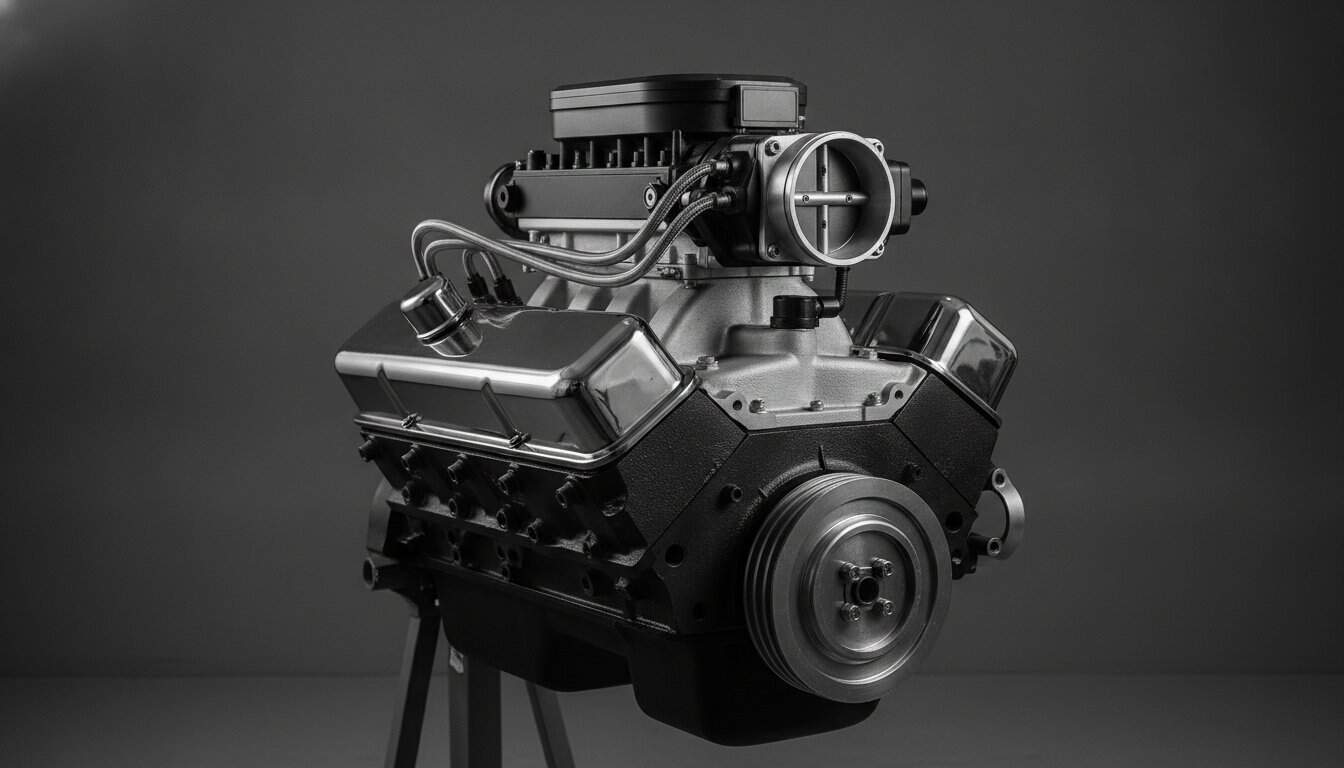
You’ve spent months polishing the chrome and perfecting the stance, but the moment you turn the key on a crisp morning, the familiar struggle begins. That agonizing sequence of pumping the pedal and praying the engine doesn’t flood is a ritual most vintage owners know too well. It’s frustrating when a machine built for freedom feels tethered to the driveway by cold start gremlins or the constant threat of vapor lock in the summer heat. Finding the best aftermarket efi for classic cars is the most effective way to transform your project into a dependable, long-haul machine that starts every single time.
You deserve a car that fires up with the precision of a modern daily driver without losing its mechanical soul. This guide simplifies the transition by identifying the most reliable, performance-driven systems available in 2026. We’ll explore the latest self-tuning kits from industry leaders like Holley, FiTech, and FAST, breaking down intimidating wiring harnesses into logical, achievable steps. You’ll also learn how to navigate the current EPA enforcement landscape to ensure your restomod remains both powerful and compliant. Let’s get your hands dirty and bring that vintage iron into the modern era with confidence.
Key Takeaways
- Learn how modern self-learning AI has replaced the need for complex laptop tuning, making professional-grade fuel injection accessible for every DIY builder.
- Compare the industry leading options to determine the best aftermarket efi for classic cars based on your specific horsepower needs and project budget.
- Understand why a throttle body injection system is often the superior choice for street-driven restomods over more complex and expensive multi-port setups.
- Identify the essential supporting components, including high-pressure fuel delivery systems, that are required to ensure your engine runs flawlessly in all conditions.
- Master a methodical installation strategy that prioritizes electrical integrity and precise hardware mounting to achieve a clean, factory-quality finish.
The Evolution of Aftermarket EFI for Classic Cars in 2026
The garage floor is where the magic happens, but for years, that magic was often interrupted by the limitations of 60-year-old fuel delivery technology. In 2026, the landscape has shifted entirely. We’ve moved beyond the era where installing the best aftermarket efi for classic cars required a trunk full of sensors and a computer science degree. Modern systems are designed for the enthusiast who values their time as much as their torque. The shift from manual tuning to AI-driven self-learning means your engine starts adapting the moment you fire it up. This evolution makes high-performance reliability accessible to every home builder, regardless of their previous experience with electronics.
To better understand how these modern systems have changed the game, watch this helpful video:
Why Abandon the Carburetor?
Carburetors are beautiful pieces of mechanical art, but they struggle with the chemical reality of modern ethanol-blended fuels. These fuels have a lower boiling point, which frequently leads to the dreaded vapor lock during summer cruises. When you explore the history of fuel injection, you realize the primary goal has always been overcoming these atmospheric inconsistencies. EFI provides a pressurized, closed-loop system that manages air-fuel ratios with microscopic precision. Whether you’re dealing with a cold morning start or a high-altitude mountain pass, the computer adjusts in milliseconds. This precision doesn’t just save your starter motor; it delivers a level of throttle response that makes an old small-block feel twenty years younger. If you’re still curious about the broader philosophy of these builds, you might want to read about what is a restomod to see how EFI fits into the bigger picture.
The 2026 Tech Landscape
The latest hardware is smarter and more discreet than ever before. One of the most significant breakthroughs is the integration of wireless Bluetooth connectivity. You can now tune, monitor, and troubleshoot your entire system from a smartphone or tablet, eliminating the need for bulky handheld controllers or messy interior wiring. Many manufacturers have also mastered the stealth look. They’ve integrated the ECU directly into the throttle body or created ultra-slim units that hide under the air cleaner. This ensures your engine bay maintains its vintage aesthetic while benefiting from advanced safety features. Modern kits now include integrated electric fan control and limp-home modes that protect your investment if a sensor fails. The best aftermarket efi for classic cars today is a silent partner, working behind the scenes to ensure every mile is as rewarding as the first. There is a profound emotional reward in knowing your vintage ride will fire up instantly, allowing you to focus on the joy of the drive rather than the anxiety of the journey.
Comparing the Best Aftermarket EFI Systems: Holley vs. FiTech vs. FAST
Choosing the best aftermarket efi for classic cars is one of the most critical decisions you’ll make in your restomod journey. It isn’t just about replacing a carburetor; it’s about selecting a digital brain that will manage your engine’s lifeblood for years to come. In the 2026 market, the competition has narrowed down to a few heavy hitters, each offering a distinct philosophy on fuel delivery. Whether you prioritize a massive support network or a budget-friendly entry into high-horsepower performance, there is a system tailored to your specific garage goals. If you want to see how these units stack up in real-world testing, take a look at our latest product reviews for deep-dive comparisons.
Holley Sniper 2 vs. FiTech GoEFI
The rivalry between Holley and FiTech has defined the EFI market for a decade. The Holley Sniper 2, currently priced around $1,459.95, is widely considered the industry standard because of its massive ecosystem. It integrates seamlessly with Holley’s digital dashes and ignition systems. FiTech remains the value leader, with their Go EFI 4 600 HP system often retailing for $999.00. While both use an integrated ECU design, Holley’s 2026 revisions have focused heavily on connector durability and RFI (radio frequency interference) shielding. This is vital because a low-quality wiring harness is the most common cause of EFI failure. If you’re building a cross-country cruiser, the availability of Holley replacement parts at local retailers provides a level of peace of mind that is hard to ignore.
The Premium Contenders: FAST and Edelbrock
For builders who want to move beyond basic throttle body injection, the options become more specialized. The FAST EZ-EFI 2 system, which retails for approximately $1,589.95, is engineered for high-vibration environments and extreme simplicity. It’s a favorite for those who want a laptop-free experience that just works. On the other hand, the Edelbrock Pro-Flo 4 represents a different path. Instead of a throttle body that sits where the carb used to be, it utilizes a dedicated intake manifold with individual injectors for each cylinder. This multi-port injection setup offers superior fuel distribution and efficiency. You can explore the technical nuances of these setups in this TBI vs. MPFI conversion guide. While the Edelbrock system requires more labor to install, its handheld controller is remarkably intuitive for beginners, making the transition to modern technology feel like a shared adventure rather than a technical hurdle.
Focus on your long-term goals before pulling the trigger. If you plan on eventually adding a turbocharger or nitrous, ensure your chosen system has the expansion capabilities to grow with your ambition. Precision in the planning stage prevents frustration in the fast lane.
Choosing Between Throttle Body (TBI) and Multi-Port (MPFI) Systems
Deciding on the architecture of your fuel system is a pivotal moment in any build. You essentially have two paths: Throttle Body Injection (TBI) and Multi-Port Fuel Injection (MPFI). TBI systems act as a sophisticated replacement for your carburetor. They house the injectors within a central unit that bolts directly to your existing intake manifold. In contrast, MPFI systems move the injectors out of the center and place them into the intake runners, firing fuel straight toward the intake valves. For many enthusiasts, the best aftermarket efi for classic cars is the one that balances performance with installation simplicity.
The Case for Throttle Body Injection
TBI is the undisputed champion for 90 percent of street-driven restomods. The primary reason is ease of entry. If your engine currently runs a standard 4-barrel carburetor, a TBI unit will likely bolt on in less than an hour. It preserves the classic aesthetic of your engine bay, allowing you to keep that iconic round air cleaner and traditional throttle linkage. Most TBI kits are rated for engines producing between 200 and 650 horsepower, which covers the vast majority of vintage V8 builds. It’s a cost-effective solution that provides modern reliability without requiring a complete engine teardown or specialized intake manifolds. While TBI is often the best aftermarket efi for classic cars for the casual cruiser, there are specific scenarios where you might need more precision.
When to Move to Multi-Port Injection
As your horsepower ambitions climb, the limitations of a central fuel source become more apparent. MPFI excels in high-performance applications because it eliminates fuel distribution issues inherent in complex intake manifold designs. Since each cylinder has its own dedicated injector, the air-fuel ratio is more consistent across the entire engine. This leads to superior idle quality and improved low-end torque through sequential firing. If you’re planning on a high-boost forced induction setup or aiming for significant power gains, the precision of MPFI is non-negotiable. It’s a more involved installation, often requiring a specific intake manifold and fuel rails, but the performance ceiling is significantly higher.
Choosing the right path requires an honest assessment of how you intend to use the car. If your goal is a reliable cruiser that starts every time, TBI is your best friend. If you’re chasing every last bit of efficiency and power on the track, MPFI is the way forward. You can find more specific hardware recommendations in our recommended gear section to help narrow down your shopping list for the upcoming season.

The Real Cost of Conversion: Beyond the Base Kit Price
Don’t let the sticker price on the box fool you. While searching for the best aftermarket efi for classic cars, it’s easy to focus solely on the throttle body and the handheld controller. I’ve seen many talented builders stall out because they didn’t account for the supporting cast of components required to make that new digital brain function. Your vintage machine was designed for a low-pressure, gravity-fed world. Modern EFI lives in a high-pressure, high-precision environment. To achieve the reliability I’ve promised you, we must look at the entire fuel and electrical ecosystem as a single, unified project.
Fuel System Requirements
Your old mechanical fuel pump, while charming, is useless here. You need a consistent 43 to 60 PSI of fuel pressure, which requires a high-output electric pump. You have two choices: external or in-tank. I always steer my students toward an in-tank pump. Submerging the pump in fuel keeps it cool and significantly muffles the high-pitched whine that plagues external units. This often means replacing your original fuel tank with an EFI-ready version that features internal baffling to prevent fuel starvation during cornering. Don’t cut corners on your plumbing, either. Use high-quality PTFE-lined fuel lines. Traditional rubber hoses will eventually permeate fuel vapors, leaving your garage smelling like a refinery. Finally, decide on a return-style system. While returnless “pulse-width modulated” systems exist, a traditional return line back to the tank provides the most stable pressure for a street-driven car.
Electrical and Exhaust Essentials
Ground your system properly. This is the most vital piece of advice I can give you. Aftermarket ECUs are incredibly sensitive to electromagnetic interference. If you ground your unit to a rusty frame instead of directly to the battery, you’ll experience “ghost” tuning issues that will drive you mad. Your exhaust must also be airtight. The wideband O2 sensor, which allows for self-learning, sits in your exhaust header. If you have even a tiny leak, the sensor will read excess oxygen and command the ECU to dump massive amounts of fuel, ruining your economy and your spark plugs. You should also check your alternator output. Most classic cars carry a 35 to 60 amp unit, but an EFI system and a high-pressure pump can pull a significant load. Upgrading to a 100-amp alternator ensures your electronics never starve for voltage. If you want a comprehensive roadmap to avoid these common pitfalls, our Premium Project Blueprints provide the exact hardware checklists you need to succeed.
Investing in these supporting parts isn’t just about spending more money; it’s about honoring the labor you’ve already put into the car. The best aftermarket efi for classic cars can only perform as well as the wires and hoses that feed it. Take the time to do it right, and the reward will be a car that feels as modern as it looks.
Implementing Your EFI Upgrade: A Mentor’s Strategy for Success
Success in the workshop isn’t just about the parts you buy; it’s about the methodology you apply. Transitioning to the best aftermarket efi for classic cars requires a shift from the “adjust and hope” mindset of carburetors to the “measure and verify” precision of modern engineering. I want you to view this installation as a five-phase journey. By breaking the process into manageable steps, you’ll avoid the overwhelmed feeling that leads to rushed mistakes. Take your time. The reward of a perfectly running machine is worth every hour of meticulous labor.
Phase 1 begins with a brutal inspection of your current engine. If you have an existing vacuum leak or a weak battery, no amount of digital tuning will save you. Phase 2 moves into mounting the hardware and plumbing those PTFE fuel lines we discussed earlier. Ensure your fuel pressure regulator is easily accessible for future checks. In Phase 3, you’ll tackle the wiring. This is where most builders fail, so keep your power and ground leads away from spark plug wires to avoid interference. Phase 4 is the moment of truth: the first start. Once the engine reaches operating temperature, the self-learning drive cycle begins. Finally, Phase 5 involves fine-tuning. This is where you adjust the parameters for cold starts and the idle kick when your air conditioning compressor engages.
Avoiding Common Installation Pitfalls
Selecting the best aftermarket efi for classic cars is only half the battle; the other half is the integrity of your execution. Precision is the enemy of the “vampire” wire tap. Never use these cheap plastic connectors in your EFI system. They create high resistance and will eventually fail, leading to erratic engine behavior. Instead, use high-quality crimp connectors or solder and heat-shrink every joint. Your O2 sensor reading is another critical point. If your exhaust gaskets aren’t perfectly sealed, the sensor will draw in ambient air and give the ECU false data. As you wrap up the wiring, focus on aesthetics. Use braided loom to organize your harnesses, but don’t bury the fuses where you can’t reach them. A clean engine bay is a sign of a disciplined builder.
Next Steps for Your Restomod Build
Once your engine is running flawlessly, consider how you’ll interact with that data. Integrating your new system with a digital dash can transform your cockpit into a high-tech information center. These units allow you to view real-time data logs, helping you diagnose engine health before a minor issue becomes a major repair. If you’re tackling a complex project like an LS swap, you might find our guide on the definitive guide to an ls engine swap useful for understanding broader integration. For those who want a more personalized roadmap, I offer Restomod Consulting Services to help you navigate the specific challenges of your unique build. Your journey from admirer to creator is well underway. Keep pushing, stay patient, and enjoy the precision of your new machine.
Take the Wheel of Modern Performance
You’ve seen how the right technology can breathe new life into vintage iron. From choosing between the simplicity of TBI and the precision of MPFI to mastering the supporting fuel and electrical systems, you now have the framework to succeed. Identifying the best aftermarket efi for classic cars is just the first step in a much larger, rewarding journey toward total vehicle transformation. It’s about more than just parts; it’s about the confidence that comes from a machine that starts every time you turn the key.
Don’t let the technical details slow your momentum. You can Master your build with The Ultimate Restomod Guide, where you’ll find expert guidance from Brook Walsh. Our Premium Project Blueprints provide step-by-step technical instructions focused on safety and reliability, ensuring your project stays on track and out of the breakdown lane. These resources are designed to bridge the gap between your vision and a finished, high-performance reality.
Your classic car is a reflection of your labor and your legacy. With the right mentor and a methodical approach, no mechanical hurdle is too high. Grab your tools, follow the blueprints, and enjoy the thrill of a machine that finally runs as good as it looks. I’ll see you on the road.
Frequently Asked Questions
Is aftermarket EFI really better than a well-tuned carburetor?
EFI wins on adaptability every time. A carburetor is a fixed mechanical compromise designed for a specific atmospheric window. Electronic injection uses sensors to monitor air temperature and pressure, adjusting your fuel mixture in real-time. This provides the consistency you need for long-distance cruising without the constant need for a screwdriver or a jet kit.
Can I install an EFI kit myself or do I need a professional?
You can definitely perform this upgrade yourself. Modern kits are designed specifically for the home mechanic who wants to take an active role in their car’s evolution. If you follow a methodical pace and prioritize clean electrical connections, you’ll find the process is a rewarding learning opportunity rather than a technical nightmare.
Do I need a new fuel tank for an EFI conversion?
You don’t strictly need a new tank, but a baffled EFI-ready tank is the gold standard for safety. Standard vintage tanks allow fuel to slosh away from the pickup during cornering. A dedicated EFI tank keeps the pump submerged at all times, which prevents fuel starvation and protects your new system from premature wear.
Will an EFI system work with my existing distributor?
Your existing distributor will likely work as a signal source for the EFI computer. This allows the system to fire the injectors in sync with the engine. However, to unlock the full potential of your new ECU, you should eventually consider an EFI-compatible distributor. This gives the computer control over ignition timing for maximum power.
What is the best EFI kit for a small block Chevy or Ford?
The Holley Sniper 2 is often the best aftermarket efi for classic cars with small block Chevy or Ford engines. It bolts directly to standard square-bore intake manifolds and provides a clean, integrated look. The vast community of users and available technical support makes it a safe and reliable choice for your first fuel injection project.
How does the self-tuning feature actually work?
Self-tuning is a continuous feedback loop between the ECU and a wideband oxygen sensor. The sensor measures the leftover oxygen in your exhaust and tells the computer if the engine is running rich or lean. The ECU then adjusts the fuel pulse width until it hits the target ratio you’ve set on your handheld controller.
Will EFI improve my classic car’s gas mileage?
You should expect a significant gain in overall efficiency. Carburetors are notorious for over-fueling during idle and acceleration to prevent stumbling. EFI eliminates this waste by delivering the precise amount of fuel required for the engine’s current load. You’ll spend less time at the gas station and more time on the open road.
Can I return to a carburetor later if I want to?
You can certainly go back to a carburetor if you wish. Most throttle body injection kits are designed to be non-permanent modifications that bolt directly to your existing intake manifold. If you preserve your original throttle linkage and keep your mechanical fuel pump hardware, you can revert to a traditional setup in a single afternoon.
You’ve spent months polishing the chrome and perfecting the stance, but the moment you turn the key on a crisp morning, the familiar struggle begins. That agonizing sequence of pumping the pedal and praying the engine doesn’t flood is a ritual most vintage owners know too well. It’s frustrating when a machine built for freedom feels tethered to the driveway by cold start gremlins or the constant threat of vapor lock in the summer heat. Finding the best aftermarket efi for classic cars is the most effective way to transform your project into a dependable, long-haul machine that starts every single time.
You deserve a car that fires up with the precision of a modern daily driver without losing its mechanical soul. This guide simplifies the transition by identifying the most reliable, performance-driven systems available in 2026. We’ll explore the latest self-tuning kits from industry leaders like Holley, FiTech, and FAST, breaking down intimidating wiring harnesses into logical, achievable steps. You’ll also learn how to navigate the current EPA enforcement landscape to ensure your restomod remains both powerful and compliant. Let’s get your hands dirty and bring that vintage iron into the modern era with confidence.
Key Takeaways
- Learn how modern self-learning AI has replaced the need for complex laptop tuning, making professional-grade fuel injection accessible for every DIY builder.
- Compare the industry leading options to determine the best aftermarket efi for classic cars based on your specific horsepower needs and project budget.
- Understand why a throttle body injection system is often the superior choice for street-driven restomods over more complex and expensive multi-port setups.
- Identify the essential supporting components, including high-pressure fuel delivery systems, that are required to ensure your engine runs flawlessly in all conditions.
- Master a methodical installation strategy that prioritizes electrical integrity and precise hardware mounting to achieve a clean, factory-quality finish.
The Evolution of Aftermarket EFI for Classic Cars in 2026
The garage floor is where the magic happens, but for years, that magic was often interrupted by the limitations of 60-year-old fuel delivery technology. In 2026, the landscape has shifted entirely. We’ve moved beyond the era where installing the best aftermarket efi for classic cars required a trunk full of sensors and a computer science degree. Modern systems are designed for the enthusiast who values their time as much as their torque. The shift from manual tuning to AI-driven self-learning means your engine starts adapting the moment you fire it up. This evolution makes high-performance reliability accessible to every home builder, regardless of their previous experience with electronics.
To better understand how these modern systems have changed the game, watch this helpful video:
Why Abandon the Carburetor?
Carburetors are beautiful pieces of mechanical art, but they struggle with the chemical reality of modern ethanol-blended fuels. These fuels have a lower boiling point, which frequently leads to the dreaded vapor lock during summer cruises. When you explore the history of fuel injection, you realize the primary goal has always been overcoming these atmospheric inconsistencies. EFI provides a pressurized, closed-loop system that manages air-fuel ratios with microscopic precision. Whether you’re dealing with a cold morning start or a high-altitude mountain pass, the computer adjusts in milliseconds. This precision doesn’t just save your starter motor; it delivers a level of throttle response that makes an old small-block feel twenty years younger. If you’re still curious about the broader philosophy of these builds, you might want to read about what is a restomod to see how EFI fits into the bigger picture.
The 2026 Tech Landscape
The latest hardware is smarter and more discreet than ever before. One of the most significant breakthroughs is the integration of wireless Bluetooth connectivity. You can now tune, monitor, and troubleshoot your entire system from a smartphone or tablet, eliminating the need for bulky handheld controllers or messy interior wiring. Many manufacturers have also mastered the stealth look. They’ve integrated the ECU directly into the throttle body or created ultra-slim units that hide under the air cleaner. This ensures your engine bay maintains its vintage aesthetic while benefiting from advanced safety features. Modern kits now include integrated electric fan control and limp-home modes that protect your investment if a sensor fails. The best aftermarket efi for classic cars today is a silent partner, working behind the scenes to ensure every mile is as rewarding as the first. There is a profound emotional reward in knowing your vintage ride will fire up instantly, allowing you to focus on the joy of the drive rather than the anxiety of the journey.
Comparing the Best Aftermarket EFI Systems: Holley vs. FiTech vs. FAST
Choosing the best aftermarket efi for classic cars is one of the most critical decisions you’ll make in your restomod journey. It isn’t just about replacing a carburetor; it’s about selecting a digital brain that will manage your engine’s lifeblood for years to come. In the 2026 market, the competition has narrowed down to a few heavy hitters, each offering a distinct philosophy on fuel delivery. Whether you prioritize a massive support network or a budget-friendly entry into high-horsepower performance, there is a system tailored to your specific garage goals. If you want to see how these units stack up in real-world testing, take a look at our latest product reviews for deep-dive comparisons.
Holley Sniper 2 vs. FiTech GoEFI
The rivalry between Holley and FiTech has defined the EFI market for a decade. The Holley Sniper 2, currently priced around $1,459.95, is widely considered the industry standard because of its massive ecosystem. It integrates seamlessly with Holley’s digital dashes and ignition systems. FiTech remains the value leader, with their Go EFI 4 600 HP system often retailing for $999.00. While both use an integrated ECU design, Holley’s 2026 revisions have focused heavily on connector durability and RFI (radio frequency interference) shielding. This is vital because a low-quality wiring harness is the most common cause of EFI failure. If you’re building a cross-country cruiser, the availability of Holley replacement parts at local retailers provides a level of peace of mind that is hard to ignore.
The Premium Contenders: FAST and Edelbrock
For builders who want to move beyond basic throttle body injection, the options become more specialized. The FAST EZ-EFI 2 system, which retails for approximately $1,589.95, is engineered for high-vibration environments and extreme simplicity. It’s a favorite for those who want a laptop-free experience that just works. On the other hand, the Edelbrock Pro-Flo 4 represents a different path. Instead of a throttle body that sits where the carb used to be, it utilizes a dedicated intake manifold with individual injectors for each cylinder. This multi-port injection setup offers superior fuel distribution and efficiency. You can explore the technical nuances of these setups in this TBI vs. MPFI conversion guide. While the Edelbrock system requires more labor to install, its handheld controller is remarkably intuitive for beginners, making the transition to modern technology feel like a shared adventure rather than a technical hurdle.
Focus on your long-term goals before pulling the trigger. If you plan on eventually adding a turbocharger or nitrous, ensure your chosen system has the expansion capabilities to grow with your ambition. Precision in the planning stage prevents frustration in the fast lane.
Choosing Between Throttle Body (TBI) and Multi-Port (MPFI) Systems
Deciding on the architecture of your fuel system is a pivotal moment in any build. You essentially have two paths: Throttle Body Injection (TBI) and Multi-Port Fuel Injection (MPFI). TBI systems act as a sophisticated replacement for your carburetor. They house the injectors within a central unit that bolts directly to your existing intake manifold. In contrast, MPFI systems move the injectors out of the center and place them into the intake runners, firing fuel straight toward the intake valves. For many enthusiasts, the best aftermarket efi for classic cars is the one that balances performance with installation simplicity.
The Case for Throttle Body Injection
TBI is the undisputed champion for 90 percent of street-driven restomods. The primary reason is ease of entry. If your engine currently runs a standard 4-barrel carburetor, a TBI unit will likely bolt on in less than an hour. It preserves the classic aesthetic of your engine bay, allowing you to keep that iconic round air cleaner and traditional throttle linkage. Most TBI kits are rated for engines producing between 200 and 650 horsepower, which covers the vast majority of vintage V8 builds. It’s a cost-effective solution that provides modern reliability without requiring a complete engine teardown or specialized intake manifolds. While TBI is often the best aftermarket efi for classic cars for the casual cruiser, there are specific scenarios where you might need more precision.
When to Move to Multi-Port Injection
As your horsepower ambitions climb, the limitations of a central fuel source become more apparent. MPFI excels in high-performance applications because it eliminates fuel distribution issues inherent in complex intake manifold designs. Since each cylinder has its own dedicated injector, the air-fuel ratio is more consistent across the entire engine. This leads to superior idle quality and improved low-end torque through sequential firing. If you’re planning on a high-boost forced induction setup or aiming for significant power gains, the precision of MPFI is non-negotiable. It’s a more involved installation, often requiring a specific intake manifold and fuel rails, but the performance ceiling is significantly higher.
Choosing the right path requires an honest assessment of how you intend to use the car. If your goal is a reliable cruiser that starts every time, TBI is your best friend. If you’re chasing every last bit of efficiency and power on the track, MPFI is the way forward. You can find more specific hardware recommendations in our recommended gear section to help narrow down your shopping list for the upcoming season.
The Real Cost of Conversion: Beyond the Base Kit Price
Don’t let the sticker price on the box fool you. While searching for the best aftermarket efi for classic cars, it’s easy to focus solely on the throttle body and the handheld controller. I’ve seen many talented builders stall out because they didn’t account for the supporting cast of components required to make that new digital brain function. Your vintage machine was designed for a low-pressure, gravity-fed world. Modern EFI lives in a high-pressure, high-precision environment. To achieve the reliability I’ve promised you, we must look at the entire fuel and electrical ecosystem as a single, unified project.
Fuel System Requirements
Your old mechanical fuel pump, while charming, is useless here. You need a consistent 43 to 60 PSI of fuel pressure, which requires a high-output electric pump. You have two choices: external or in-tank. I always steer my students toward an in-tank pump. Submerging the pump in fuel keeps it cool and significantly muffles the high-pitched whine that plagues external units. This often means replacing your original fuel tank with an EFI-ready version that features internal baffling to prevent fuel starvation during cornering. Don’t cut corners on your plumbing, either. Use high-quality PTFE-lined fuel lines. Traditional rubber hoses will eventually permeate fuel vapors, leaving your garage smelling like a refinery. Finally, decide on a return-style system. While returnless “pulse-width modulated” systems exist, a traditional return line back to the tank provides the most stable pressure for a street-driven car.
Electrical and Exhaust Essentials
Ground your system properly. This is the most vital piece of advice I can give you. Aftermarket ECUs are incredibly sensitive to electromagnetic interference. If you ground your unit to a rusty frame instead of directly to the battery, you’ll experience “ghost” tuning issues that will drive you mad. Your exhaust must also be airtight. The wideband O2 sensor, which allows for self-learning, sits in your exhaust header. If you have even a tiny leak, the sensor will read excess oxygen and command the ECU to dump massive amounts of fuel, ruining your economy and your spark plugs. You should also check your alternator output. Most classic cars carry a 35 to 60 amp unit, but an EFI system and a high-pressure pump can pull a significant load. Upgrading to a 100-amp alternator ensures your electronics never starve for voltage. If you want a comprehensive roadmap to avoid these common pitfalls, our Premium Project Blueprints provide the exact hardware checklists you need to succeed.
Investing in these supporting parts isn’t just about spending more money; it’s about honoring the labor you’ve already put into the car. The best aftermarket efi for classic cars can only perform as well as the wires and hoses that feed it. Take the time to do it right, and the reward will be a car that feels as modern as it looks.
Implementing Your EFI Upgrade: A Mentor’s Strategy for Success
Success in the workshop isn’t just about the parts you buy; it’s about the methodology you apply. Transitioning to the best aftermarket efi for classic cars requires a shift from the “adjust and hope” mindset of carburetors to the “measure and verify” precision of modern engineering. I want you to view this installation as a five-phase journey. By breaking the process into manageable steps, you’ll avoid the overwhelmed feeling that leads to rushed mistakes. Take your time. The reward of a perfectly running machine is worth every hour of meticulous labor.
Phase 1 begins with a brutal inspection of your current engine. If you have an existing vacuum leak or a weak battery, no amount of digital tuning will save you. Phase 2 moves into mounting the hardware and plumbing those PTFE fuel lines we discussed earlier. Ensure your fuel pressure regulator is easily accessible for future checks. In Phase 3, you’ll tackle the wiring. This is where most builders fail, so keep your power and ground leads away from spark plug wires to avoid interference. Phase 4 is the moment of truth: the first start. Once the engine reaches operating temperature, the self-learning drive cycle begins. Finally, Phase 5 involves fine-tuning. This is where you adjust the parameters for cold starts and the idle kick when your air conditioning compressor engages.
Avoiding Common Installation Pitfalls
Selecting the best aftermarket efi for classic cars is only half the battle; the other half is the integrity of your execution. Precision is the enemy of the “vampire” wire tap. Never use these cheap plastic connectors in your EFI system. They create high resistance and will eventually fail, leading to erratic engine behavior. Instead, use high-quality crimp connectors or solder and heat-shrink every joint. Your O2 sensor reading is another critical point. If your exhaust gaskets aren’t perfectly sealed, the sensor will draw in ambient air and give the ECU false data. As you wrap up the wiring, focus on aesthetics. Use braided loom to organize your harnesses, but don’t bury the fuses where you can’t reach them. A clean engine bay is a sign of a disciplined builder.
Next Steps for Your Restomod Build
Once your engine is running flawlessly, consider how you’ll interact with that data. Integrating your new system with a digital dash can transform your cockpit into a high-tech information center. These units allow you to view real-time data logs, helping you diagnose engine health before a minor issue becomes a major repair. If you’re tackling a complex project like an LS swap, you might find our guide on the definitive guide to an ls engine swap useful for understanding broader integration. For those who want a more personalized roadmap, I offer Restomod Consulting Services to help you navigate the specific challenges of your unique build. Your journey from admirer to creator is well underway. Keep pushing, stay patient, and enjoy the precision of your new machine.
Take the Wheel of Modern Performance
You’ve seen how the right technology can breathe new life into vintage iron. From choosing between the simplicity of TBI and the precision of MPFI to mastering the supporting fuel and electrical systems, you now have the framework to succeed. Identifying the best aftermarket efi for classic cars is just the first step in a much larger, rewarding journey toward total vehicle transformation. It’s about more than just parts; it’s about the confidence that comes from a machine that starts every time you turn the key.
Don’t let the technical details slow your momentum. You can Master your build with The Ultimate Restomod Guide, where you’ll find expert guidance from Brook Walsh. Our Premium Project Blueprints provide step-by-step technical instructions focused on safety and reliability, ensuring your project stays on track and out of the breakdown lane. These resources are designed to bridge the gap between your vision and a finished, high-performance reality.
Your classic car is a reflection of your labor and your legacy. With the right mentor and a methodical approach, no mechanical hurdle is too high. Grab your tools, follow the blueprints, and enjoy the thrill of a machine that finally runs as good as it looks. I’ll see you on the road.
Frequently Asked Questions
Is aftermarket EFI really better than a well-tuned carburetor?
EFI wins on adaptability every time. A carburetor is a fixed mechanical compromise designed for a specific atmospheric window. Electronic injection uses sensors to monitor air temperature and pressure, adjusting your fuel mixture in real-time. This provides the consistency you need for long-distance cruising without the constant need for a screwdriver or a jet kit.
Can I install an EFI kit myself or do I need a professional?
You can definitely perform this upgrade yourself. Modern kits are designed specifically for the home mechanic who wants to take an active role in their car’s evolution. If you follow a methodical pace and prioritize clean electrical connections, you’ll find the process is a rewarding learning opportunity rather than a technical nightmare.
Do I need a new fuel tank for an EFI conversion?
You don’t strictly need a new tank, but a baffled EFI-ready tank is the gold standard for safety. Standard vintage tanks allow fuel to slosh away from the pickup during cornering. A dedicated EFI tank keeps the pump submerged at all times, which prevents fuel starvation and protects your new system from premature wear.
Will an EFI system work with my existing distributor?
Your existing distributor will likely work as a signal source for the EFI computer. This allows the system to fire the injectors in sync with the engine. However, to unlock the full potential of your new ECU, you should eventually consider an EFI-compatible distributor. This gives the computer control over ignition timing for maximum power.
What is the best EFI kit for a small block Chevy or Ford?
The Holley Sniper 2 is often the best aftermarket efi for classic cars with small block Chevy or Ford engines. It bolts directly to standard square-bore intake manifolds and provides a clean, integrated look. The vast community of users and available technical support makes it a safe and reliable choice for your first fuel injection project.
How does the self-tuning feature actually work?
Self-tuning is a continuous feedback loop between the ECU and a wideband oxygen sensor. The sensor measures the leftover oxygen in your exhaust and tells the computer if the engine is running rich or lean. The ECU then adjusts the fuel pulse width until it hits the target ratio you’ve set on your handheld controller.
Will EFI improve my classic car’s gas mileage?
You should expect a significant gain in overall efficiency. Carburetors are notorious for over-fueling during idle and acceleration to prevent stumbling. EFI eliminates this waste by delivering the precise amount of fuel required for the engine’s current load. You’ll spend less time at the gas station and more time on the open road.
Can I return to a carburetor later if I want to?
You can certainly go back to a carburetor if you wish. Most throttle body injection kits are designed to be non-permanent modifications that bolt directly to your existing intake manifold. If you preserve your original throttle linkage and keep your mechanical fuel pump hardware, you can revert to a traditional setup in a single afternoon.