
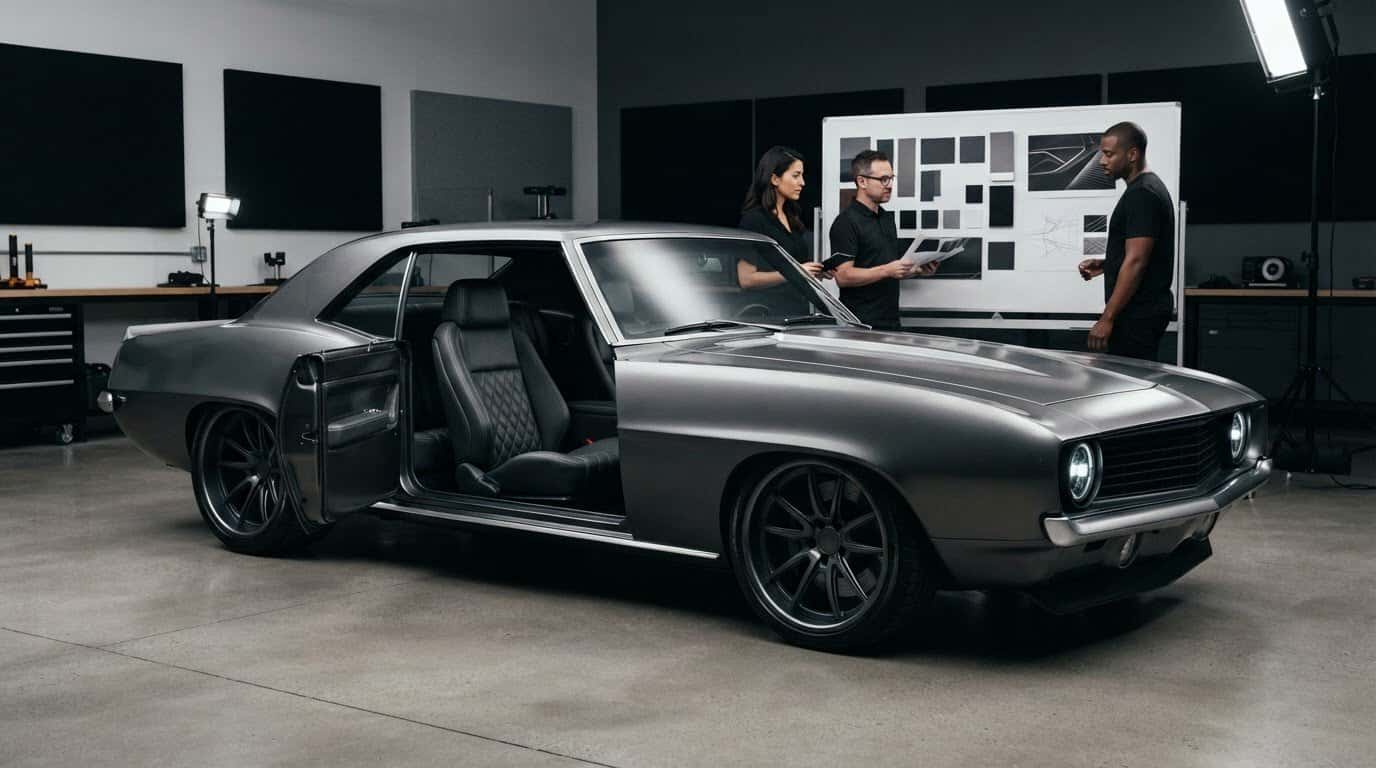
A custom car is more than a visual statement: it can bring your taste, comfort, and everyday needs together in one thoughtful build. Building a car that reflects your personal style starts with choices that feel cohesive, from the exterior color and finish to the materials and details inside. The best results balance character with how you actually use the car.
You already know the details matter: a wheel design, seat finish, or carefully chosen dashboard accent can change a vehicle’s whole feel. This guide will help you make those choices with purpose while keeping comfort and practicality in view. Explore how to develop a color palette, customize the cabin and technology, and make design decisions that suit both your vision and the road ahead.
Key Takeaways
- Plan exterior and interior changes as one design, and coordinate specialists around a clear vision for the build.
- Choose paint or a wrap by considering the color, finish, and character you want the car to express.
- Match dashboard and infotainment upgrades to the cabin’s look and the features you’ll use on the road.
- Weigh visual impact against comfort, everyday needs, and the requirements that apply where you drive.
- Develop custom paint ideas deliberately, refining the palette and design before committing to the finished look.
1. Working with designers, engineers, and customization specialists
Begin with a three-part brief: define the car’s character, its everyday purpose, and the changes you want. A designer can bring the exterior and interior into one visual plan; an engineer can consider fit and function; and a customization specialist can map out the work. Use a digital configurator to compare paint, wheels, trim, and accessories in one view. Treat the image as a design aid, then document the chosen specifications for the build.
For practical upgrade ideas that can help shape a car, watch this video from Mighty Car Mods:
Choose customization details as a coordinated set, not as isolated accents. Distinctive rims, decals, seat stitching, and dashboard finishes can carry the same design theme from the exterior into the cabin. Consider the steering wheel and seat materials alongside the wheels: these are the touchpoints you notice while driving. BMW Individual, for example, offers paint and interior customization options, illustrating how exterior color and cabin finishes can be planned together.
Body kits, spoilers, and side skirts change the car’s silhouette, so compare their shape with the vehicle’s original lines before selecting accessories. A front air dam, rear spoiler, and side skirts can also be designed to streamline airflow. Keep the intended use in view: a low front piece may not suit rough roads, while an oversized visual feature can compete with a restrained vintage profile. Ask the design and engineering team to align appearance with fit and function.
What car modifications are legal in the United States and in my state? Rules vary by location, and some modifications may be illegal or require permits. Check the applicable state and local requirements before installing lights, tint, or body components. How can you customize without affecting warranty or insurance coverage? Review the vehicle warranty and insurance policy terms before work begins, and keep records of parts, specifications, and installation. How much does customization cost? The price depends on the chosen paint, wrap, wheels, accessories, materials, and labor.
Popular style directions in 2026 include coordinated wheel-and-decal combinations, tailored interior details, and body accessories that echo the car’s original design. How do modifications affect resale value? Condition, installation quality, reversibility, and buyer preference all shape appeal, so retain original parts when practical and document the work. What safety and reliability risks should you consider? Poor fitment can affect clearance or component operation; have wheel fit, body-part attachment, and any electrical changes assessed before driving.
Unique rims, decals, and interior upgrades customize a vehicle. Custom paint and vinyl graphics can create a distinctive look, with a choice of colors, finishes, and designs. Consider exterior and interior style together: wheel choices can combine appearance with performance considerations such as speed or grip. Dashboard finishes and seat stitching express a driver’s aesthetic preferences; interiors can use leather, brushed metal, and natural wood trim.
2. Choosing a car color to reflect personal style
Start with the impression you want the car to make. Color, shape, and finish work together: a bold red sports car can suggest confidence and excitement, while an understated matte-black SUV can convey strength and sophistication. Use these as design directions, not rules. A bright hue can feel less forceful with a satin finish, while a dark color can look more dramatic with gloss. Compare samples in daylight and shade before settling on a palette.
Next, match the vehicle to your priorities. A luxury sedan can suit a preference for comfort, status, and refinement; a compact electric car may appeal if modern design and environmental priorities matter. A powerful pickup can align with practical use and adventure, while an all-terrain truck may suit drivers drawn to challenging routes. Choose a shape and purpose that feel authentic, then let the color reinforce that choice.
Think about the full exterior, not just the paint. A vinyl wrap can change color and texture without the permanence of a paint job, making it one option for exploring a distinct look. Wraps can cover the entire exterior or selected sections, such as the roof. For example, a dark body with a contrasting roof can add definition without introducing several competing colors. Keep wheels and trim in the same visual family.
Bring the cabin into the palette. If the exterior is vivid red, consider a restrained interior finish so the two areas don’t compete. If the paint is understated, seat stitching or a contrasting dashboard finish can add a personal accent. Leather, fabric, and faux-leather upholstery each create a different visual and tactile impression. Sit in the car and assess how the materials feel during ordinary driving before choosing them.
Family needs can guide both vehicle choice and interior color. SUVs and minivans can provide space and practicality for family use, while darker-looking upholstery may suit the appearance of a busy cabin. Seat covers can conceal worn or dated upholstery and change the interior’s look without replacing the seats. Check that a chosen cover fits around the seat and its controls.
Make the decision in stages: pick a vehicle type, choose a dominant exterior color, then select a finish and cabin palette. Compare those choices with your routine, from family trips to solo driving. If safety ranks above styling, consider vehicles with top-rated crash-test results, then personalize the color and interior around that foundation. The result should feel distinctive without making daily use an afterthought.
3. Dashboard, console, and infotainment upgrades
Start with the controls you use on every drive. A dashboard upgrade can bring a vintage instrument panel closer to modern usability without erasing its original character. For example, pair classic-style gauges with a discreet touchscreen or smartphone integration. Map the screen, switches, vents, and storage before changing the console. This keeps frequently used controls within reach and helps the new equipment look intentional rather than crowded. Match finishes to the existing cabin, such as brushed metal beside a traditional gauge cluster.
Choose infotainment to suit your driving preferences, not simply the largest display available. A touchscreen can combine navigation and audio controls, while smartphone integration brings familiar functions into the car’s cabin. GPS navigation, touch-screen displays, and high-quality audio systems are all options for modernizing an interior. Decide which features matter most, then plan their position and wiring as part of the upgrade. In a classic car, preserving a clean dashboard may mean choosing a smaller display or placing equipment within the console.
Build the sound system in stages. First, identify whether the cabin needs clearer speakers, stronger bass, or better control of road noise. Then choose components that fit the available spaces and the system’s intended use. A high-quality audio system can enhance daily driving, but an oversized subwoofer may take up storage or dominate a compact interior. Keep the design coherent with speaker grilles and trim that suit the dashboard, rather than adding visual elements that compete with the car’s original details.
Lighting can shape the cabin after dark and modernize the instrument panel. LED lighting is a common upgrade, and LEDs can last up to 50 times longer than traditional incandescent bulbs. They also generate less heat, which helps prevent damage to other vehicle components. Use a lighting plan that supports visibility around the controls. Colored headlights and underglow lights may be restricted in some jurisdictions, so check local requirements before installation. Keep cabin accents distinct from exterior lighting.
Performance upgrades can also contribute to a car’s visual identity. A carefully presented engine bay, purposeful gauge layout, or coordinated wheel-and-brake appearance can make mechanical intent visible. Begin by defining the result you want, such as a period-inspired cabin with modern engine monitoring. Then coordinate the dashboard finish, gauge design, and performance components as one project. Before finalizing the plan, consider how each change affects fit, function, and access for maintenance.
Before installation, list the required components and confirm how they work together. A new display may need space in the console; an audio system may need matching speakers; and interior LEDs should suit the intended controls. Sketch the layout, compare materials, and prioritize upgrades by how you use them. This helps each enhancement serve a clear purpose while keeping the cabin balanced, functional, and true to your preferences.

4. Balancing aesthetics with comfort and practicality
Decide the car’s daily role before choosing visual upgrades. A two-seat weekend coupe and a family minivan call for different priorities, even if both share a bold color palette. SUVs and minivans can provide the space and practicality family use demands. In a family vehicle, preserve clear entryways, usable storage, and comfortable seating before adding decorative trim. A design that looks striking at a show should still work for school runs and errands.
How do you plan a customization project and prioritize upgrades? List the car’s regular uses, identify comfort or function problems, then rank upgrades by how directly they solve them. Address a worn seat or poor visibility before adding purely decorative accessories, and group related work to keep the finished design coherent.
Test comfort in the actual seating position. Sit behind the steering wheel, adjust the seat, and check that covers don’t bunch up or interfere with controls. If the original upholstery is damaged or dated, seat covers can conceal it when reupholstering isn’t practical. Choose fabric or faux leather for a different cabin feel, and consider how each material suits your usual driving conditions. A smooth finish can create a refined look, while fabric can soften a more utilitarian interior.
Consider temperature and glare as well as appearance. Heated seats and soft-touch interiors can suit colder months, while window tinting can improve visual appeal, provide privacy, and reduce glare. Choose tint with visibility and cabin comfort in mind, not simply to create a darker exterior statement. Coordinate the window treatment with the paint and trim so it supports the overall look rather than overpowering it.
Make practical decisions about materials and maintenance before installation. A light-colored cabin can brighten the interior, but marks may be more noticeable with frequent passengers. Darker floor mats and seat covers can be easier to live with in a busy family vehicle. Clean exterior and interior surfaces regularly with products suited to each material, and inspect custom details for wear or damage. A scratched trim piece or loose cover can undermine an otherwise carefully finished build.
Plan for changing conditions, too. Seasonal floor mats can protect the cabin while refreshing its appearance; a detailing routine can help maintain paint and interior finishes. For example, keep a restrained base palette and change smaller accents as your needs shift. Review each proposed modification for comfort, visibility, storage, and upkeep. This simple test helps distinguish a lasting design statement from a change that complicates everyday driving.
5. Developing bespoke paint colors and designs
Build a paint concept around a clear visual reference, such as a vintage racing stripe or a single body color. Choose the feeling you want the car to express, then select colors that support it. A deep blue can feel restrained, while bright red makes a stronger statement. Treat these as starting points, not fixed meanings. The body shape, trim, and finish all affect the final effect.
Next, create a small palette before committing to the whole exterior. Compare a main color with one accent shade, then decide whether the roof, hood, or mirrors should carry that accent. For example, a cream body with a dark roof can evoke a classic two-tone look. Keeping the design to a few coordinated colors helps preserve the car’s lines instead of letting graphics compete with its shape.
Assess samples under different lighting. A color viewed indoors can look different in direct sunlight or shade, so examine paint samples beside the car in each setting. Check how the selected shade sits beside existing chrome, glass, wheels, and trim. If the vehicle has curved fenders, view the sample across those contours: reflections can change the impression across a single panel.
Plan graphics around the car’s existing structure. A stripe can follow a hood crease, while a side graphic can align with the door’s lower edge. Sketch the design over a side profile and front view to spot awkward breaks near handles, wheel arches, or trim. Keep essential details clear. A simple stripe can reinforce a car’s heritage without hiding its original proportions.
Choose the finish as deliberately as the color. Gloss can emphasize reflections and body contours; a matte finish gives the surface a more subdued character. Let the car’s condition and design guide the decision. For instance, a clean, sculpted body may suit a finish that highlights its lines, while a restrained finish can support a minimal design. Keep the finish consistent across panels for a unified appearance.
Before approving the final design, prepare a written specification with the color reference, finish, graphic placement, and panels included. Mark details such as whether the door jambs or only visible exterior panels will be painted. Compare multiple quotes for a custom paint job, including preparation, materials, design work, and the work covered. This careful process turns personal expression into a paint plan that can be assessed panel by panel.
Restomod Academy: The Ultimate Restomod Guide
Restomod Academy’s The Ultimate Restomod Guide is a practical next step when you’re ready to turn design ideas into a considered build plan. Use it to deepen your understanding of classic restoration and modern modifications, from shaping a car’s character to planning upgrades that support its use.
If you’re weighing several directions or need help making project decisions, Restomod Consulting Services can provide guidance tailored to your build. Premium Project Blueprints offer another way to approach the work with a structured project plan. Choose the resource that fits your next step, whether you’re still defining the vision or preparing to move into the workshop.
Contact Restomod Academy to explore which option best fits your project.
Give Your Build a Clear Direction
A finished car should feel like yours from the first turn of the key. Before making the next change, write down what you want the car to communicate and how you want it to serve you. That short design brief becomes a useful reference when fresh ideas appear or project decisions compete for attention.
Building a car that reflects your personal style is an ongoing craft, not a race to add every possible modification. Let each choice earn its place by supporting the character you’re creating. Keep learning, make adjustments with care, and enjoy seeing your vision take shape through thoughtful work.
For guidance as you plan the next stage, connect with Restomod Academy about your build. Take the first step, then bring your own ideas to life one considered decision at a time.
Frequently Asked Questions
Why Customize Your Car?
Customize your car to make it more comfortable, expressive, and suited to your routines. Building a car that reflects your personal style can also make a restoration feel more purposeful: each choice connects the machine’s heritage with the way you drive today. Start with one clear reason, such as improving cabin ergonomics or making a vintage car feel more personal. That purpose helps you avoid changes that look appealing but don’t serve your project.
What are the best ways to personalize a car’s exterior and interior?
Choose a design anchor, then carry it through a few complementary details. For example, take a classic instrument panel as inspiration for the cabin, then echo its period character in exterior graphics or trim. Before committing, assemble paint chips, material samples, and reference images together. This lets you judge how the elements relate under the same light. A cohesive plan often feels more personal than adding unrelated modifications one at a time.
How do I choose a car that suits my personal style and customization goals?
Choose a vehicle whose original shape and condition support the build you have in mind. If you picture a heritage-inspired cruiser, begin with a body style whose proportions already appeal to you. Inspect the cabin, controls, and visible wear, then note which features you want to preserve and which you’d change. Comparing candidate cars in person helps reveal whether the driving position and basic layout feel right before customization begins.
Should I use DIY upgrades or hire a professional car customization shop?
Handle DIY work when the task matches your experience, tools, and ability to produce a clean, secure result. Simple trim changes can be a good learning project; complex paintwork, body modifications, or integrated electrical upgrades demand more specialized skill. Break the build into tasks, then decide where your workmanship meets the finish and function you want. Taking on suitable work yourself keeps you involved, while professional help can support more demanding stages.
A custom car is more than a visual statement: it can bring your taste, comfort, and everyday needs together in one thoughtful build. Building a car that reflects your personal style starts with choices that feel cohesive, from the exterior color and finish to the materials and details inside. The best results balance character with how you actually use the car.
You already know the details matter: a wheel design, seat finish, or carefully chosen dashboard accent can change a vehicle’s whole feel. This guide will help you make those choices with purpose while keeping comfort and practicality in view. Explore how to develop a color palette, customize the cabin and technology, and make design decisions that suit both your vision and the road ahead.
Key Takeaways
- Plan exterior and interior changes as one design, and coordinate specialists around a clear vision for the build.
- Choose paint or a wrap by considering the color, finish, and character you want the car to express.
- Match dashboard and infotainment upgrades to the cabin’s look and the features you’ll use on the road.
- Weigh visual impact against comfort, everyday needs, and the requirements that apply where you drive.
- Develop custom paint ideas deliberately, refining the palette and design before committing to the finished look.
1. Working with designers, engineers, and customization specialists
Begin with a three-part brief: define the car’s character, its everyday purpose, and the changes you want. A designer can bring the exterior and interior into one visual plan; an engineer can consider fit and function; and a customization specialist can map out the work. Use a digital configurator to compare paint, wheels, trim, and accessories in one view. Treat the image as a design aid, then document the chosen specifications for the build.
For practical upgrade ideas that can help shape a car, watch this video from Mighty Car Mods:
Choose customization details as a coordinated set, not as isolated accents. Distinctive rims, decals, seat stitching, and dashboard finishes can carry the same design theme from the exterior into the cabin. Consider the steering wheel and seat materials alongside the wheels: these are the touchpoints you notice while driving. BMW Individual, for example, offers paint and interior customization options, illustrating how exterior color and cabin finishes can be planned together.
Body kits, spoilers, and side skirts change the car’s silhouette, so compare their shape with the vehicle’s original lines before selecting accessories. A front air dam, rear spoiler, and side skirts can also be designed to streamline airflow. Keep the intended use in view: a low front piece may not suit rough roads, while an oversized visual feature can compete with a restrained vintage profile. Ask the design and engineering team to align appearance with fit and function.
What car modifications are legal in the United States and in my state? Rules vary by location, and some modifications may be illegal or require permits. Check the applicable state and local requirements before installing lights, tint, or body components. How can you customize without affecting warranty or insurance coverage? Review the vehicle warranty and insurance policy terms before work begins, and keep records of parts, specifications, and installation. How much does customization cost? The price depends on the chosen paint, wrap, wheels, accessories, materials, and labor.
Popular style directions in 2026 include coordinated wheel-and-decal combinations, tailored interior details, and body accessories that echo the car’s original design. How do modifications affect resale value? Condition, installation quality, reversibility, and buyer preference all shape appeal, so retain original parts when practical and document the work. What safety and reliability risks should you consider? Poor fitment can affect clearance or component operation; have wheel fit, body-part attachment, and any electrical changes assessed before driving.
Unique rims, decals, and interior upgrades customize a vehicle. Custom paint and vinyl graphics can create a distinctive look, with a choice of colors, finishes, and designs. Consider exterior and interior style together: wheel choices can combine appearance with performance considerations such as speed or grip. Dashboard finishes and seat stitching express a driver’s aesthetic preferences; interiors can use leather, brushed metal, and natural wood trim.
2. Choosing a car color to reflect personal style
Start with the impression you want the car to make. Color, shape, and finish work together: a bold red sports car can suggest confidence and excitement, while an understated matte-black SUV can convey strength and sophistication. Use these as design directions, not rules. A bright hue can feel less forceful with a satin finish, while a dark color can look more dramatic with gloss. Compare samples in daylight and shade before settling on a palette.
Next, match the vehicle to your priorities. A luxury sedan can suit a preference for comfort, status, and refinement; a compact electric car may appeal if modern design and environmental priorities matter. A powerful pickup can align with practical use and adventure, while an all-terrain truck may suit drivers drawn to challenging routes. Choose a shape and purpose that feel authentic, then let the color reinforce that choice.
Think about the full exterior, not just the paint. A vinyl wrap can change color and texture without the permanence of a paint job, making it one option for exploring a distinct look. Wraps can cover the entire exterior or selected sections, such as the roof. For example, a dark body with a contrasting roof can add definition without introducing several competing colors. Keep wheels and trim in the same visual family.
Bring the cabin into the palette. If the exterior is vivid red, consider a restrained interior finish so the two areas don’t compete. If the paint is understated, seat stitching or a contrasting dashboard finish can add a personal accent. Leather, fabric, and faux-leather upholstery each create a different visual and tactile impression. Sit in the car and assess how the materials feel during ordinary driving before choosing them.
Family needs can guide both vehicle choice and interior color. SUVs and minivans can provide space and practicality for family use, while darker-looking upholstery may suit the appearance of a busy cabin. Seat covers can conceal worn or dated upholstery and change the interior’s look without replacing the seats. Check that a chosen cover fits around the seat and its controls.
Make the decision in stages: pick a vehicle type, choose a dominant exterior color, then select a finish and cabin palette. Compare those choices with your routine, from family trips to solo driving. If safety ranks above styling, consider vehicles with top-rated crash-test results, then personalize the color and interior around that foundation. The result should feel distinctive without making daily use an afterthought.
3. Dashboard, console, and infotainment upgrades
Start with the controls you use on every drive. A dashboard upgrade can bring a vintage instrument panel closer to modern usability without erasing its original character. For example, pair classic-style gauges with a discreet touchscreen or smartphone integration. Map the screen, switches, vents, and storage before changing the console. This keeps frequently used controls within reach and helps the new equipment look intentional rather than crowded. Match finishes to the existing cabin, such as brushed metal beside a traditional gauge cluster.
Choose infotainment to suit your driving preferences, not simply the largest display available. A touchscreen can combine navigation and audio controls, while smartphone integration brings familiar functions into the car’s cabin. GPS navigation, touch-screen displays, and high-quality audio systems are all options for modernizing an interior. Decide which features matter most, then plan their position and wiring as part of the upgrade. In a classic car, preserving a clean dashboard may mean choosing a smaller display or placing equipment within the console.
Build the sound system in stages. First, identify whether the cabin needs clearer speakers, stronger bass, or better control of road noise. Then choose components that fit the available spaces and the system’s intended use. A high-quality audio system can enhance daily driving, but an oversized subwoofer may take up storage or dominate a compact interior. Keep the design coherent with speaker grilles and trim that suit the dashboard, rather than adding visual elements that compete with the car’s original details.
Lighting can shape the cabin after dark and modernize the instrument panel. LED lighting is a common upgrade, and LEDs can last up to 50 times longer than traditional incandescent bulbs. They also generate less heat, which helps prevent damage to other vehicle components. Use a lighting plan that supports visibility around the controls. Colored headlights and underglow lights may be restricted in some jurisdictions, so check local requirements before installation. Keep cabin accents distinct from exterior lighting.
Performance upgrades can also contribute to a car’s visual identity. A carefully presented engine bay, purposeful gauge layout, or coordinated wheel-and-brake appearance can make mechanical intent visible. Begin by defining the result you want, such as a period-inspired cabin with modern engine monitoring. Then coordinate the dashboard finish, gauge design, and performance components as one project. Before finalizing the plan, consider how each change affects fit, function, and access for maintenance.
Before installation, list the required components and confirm how they work together. A new display may need space in the console; an audio system may need matching speakers; and interior LEDs should suit the intended controls. Sketch the layout, compare materials, and prioritize upgrades by how you use them. This helps each enhancement serve a clear purpose while keeping the cabin balanced, functional, and true to your preferences.
4. Balancing aesthetics with comfort and practicality
Decide the car’s daily role before choosing visual upgrades. A two-seat weekend coupe and a family minivan call for different priorities, even if both share a bold color palette. SUVs and minivans can provide the space and practicality family use demands. In a family vehicle, preserve clear entryways, usable storage, and comfortable seating before adding decorative trim. A design that looks striking at a show should still work for school runs and errands.
How do you plan a customization project and prioritize upgrades? List the car’s regular uses, identify comfort or function problems, then rank upgrades by how directly they solve them. Address a worn seat or poor visibility before adding purely decorative accessories, and group related work to keep the finished design coherent.
Test comfort in the actual seating position. Sit behind the steering wheel, adjust the seat, and check that covers don’t bunch up or interfere with controls. If the original upholstery is damaged or dated, seat covers can conceal it when reupholstering isn’t practical. Choose fabric or faux leather for a different cabin feel, and consider how each material suits your usual driving conditions. A smooth finish can create a refined look, while fabric can soften a more utilitarian interior.
Consider temperature and glare as well as appearance. Heated seats and soft-touch interiors can suit colder months, while window tinting can improve visual appeal, provide privacy, and reduce glare. Choose tint with visibility and cabin comfort in mind, not simply to create a darker exterior statement. Coordinate the window treatment with the paint and trim so it supports the overall look rather than overpowering it.
Make practical decisions about materials and maintenance before installation. A light-colored cabin can brighten the interior, but marks may be more noticeable with frequent passengers. Darker floor mats and seat covers can be easier to live with in a busy family vehicle. Clean exterior and interior surfaces regularly with products suited to each material, and inspect custom details for wear or damage. A scratched trim piece or loose cover can undermine an otherwise carefully finished build.
Plan for changing conditions, too. Seasonal floor mats can protect the cabin while refreshing its appearance; a detailing routine can help maintain paint and interior finishes. For example, keep a restrained base palette and change smaller accents as your needs shift. Review each proposed modification for comfort, visibility, storage, and upkeep. This simple test helps distinguish a lasting design statement from a change that complicates everyday driving.
5. Developing bespoke paint colors and designs
Build a paint concept around a clear visual reference, such as a vintage racing stripe or a single body color. Choose the feeling you want the car to express, then select colors that support it. A deep blue can feel restrained, while bright red makes a stronger statement. Treat these as starting points, not fixed meanings. The body shape, trim, and finish all affect the final effect.
Next, create a small palette before committing to the whole exterior. Compare a main color with one accent shade, then decide whether the roof, hood, or mirrors should carry that accent. For example, a cream body with a dark roof can evoke a classic two-tone look. Keeping the design to a few coordinated colors helps preserve the car’s lines instead of letting graphics compete with its shape.
Assess samples under different lighting. A color viewed indoors can look different in direct sunlight or shade, so examine paint samples beside the car in each setting. Check how the selected shade sits beside existing chrome, glass, wheels, and trim. If the vehicle has curved fenders, view the sample across those contours: reflections can change the impression across a single panel.
Plan graphics around the car’s existing structure. A stripe can follow a hood crease, while a side graphic can align with the door’s lower edge. Sketch the design over a side profile and front view to spot awkward breaks near handles, wheel arches, or trim. Keep essential details clear. A simple stripe can reinforce a car’s heritage without hiding its original proportions.
Choose the finish as deliberately as the color. Gloss can emphasize reflections and body contours; a matte finish gives the surface a more subdued character. Let the car’s condition and design guide the decision. For instance, a clean, sculpted body may suit a finish that highlights its lines, while a restrained finish can support a minimal design. Keep the finish consistent across panels for a unified appearance.
Before approving the final design, prepare a written specification with the color reference, finish, graphic placement, and panels included. Mark details such as whether the door jambs or only visible exterior panels will be painted. Compare multiple quotes for a custom paint job, including preparation, materials, design work, and the work covered. This careful process turns personal expression into a paint plan that can be assessed panel by panel.
Restomod Academy: The Ultimate Restomod Guide
Restomod Academy’s The Ultimate Restomod Guide is a practical next step when you’re ready to turn design ideas into a considered build plan. Use it to deepen your understanding of classic restoration and modern modifications, from shaping a car’s character to planning upgrades that support its use.
If you’re weighing several directions or need help making project decisions, Restomod Consulting Services can provide guidance tailored to your build. Premium Project Blueprints offer another way to approach the work with a structured project plan. Choose the resource that fits your next step, whether you’re still defining the vision or preparing to move into the workshop.
Contact Restomod Academy to explore which option best fits your project.
Give Your Build a Clear Direction
A finished car should feel like yours from the first turn of the key. Before making the next change, write down what you want the car to communicate and how you want it to serve you. That short design brief becomes a useful reference when fresh ideas appear or project decisions compete for attention.
Building a car that reflects your personal style is an ongoing craft, not a race to add every possible modification. Let each choice earn its place by supporting the character you’re creating. Keep learning, make adjustments with care, and enjoy seeing your vision take shape through thoughtful work.
For guidance as you plan the next stage, connect with Restomod Academy about your build. Take the first step, then bring your own ideas to life one considered decision at a time.
Frequently Asked Questions
Why Customize Your Car?
Customize your car to make it more comfortable, expressive, and suited to your routines. Building a car that reflects your personal style can also make a restoration feel more purposeful: each choice connects the machine’s heritage with the way you drive today. Start with one clear reason, such as improving cabin ergonomics or making a vintage car feel more personal. That purpose helps you avoid changes that look appealing but don’t serve your project.
What are the best ways to personalize a car’s exterior and interior?
Choose a design anchor, then carry it through a few complementary details. For example, take a classic instrument panel as inspiration for the cabin, then echo its period character in exterior graphics or trim. Before committing, assemble paint chips, material samples, and reference images together. This lets you judge how the elements relate under the same light. A cohesive plan often feels more personal than adding unrelated modifications one at a time.
How do I choose a car that suits my personal style and customization goals?
Choose a vehicle whose original shape and condition support the build you have in mind. If you picture a heritage-inspired cruiser, begin with a body style whose proportions already appeal to you. Inspect the cabin, controls, and visible wear, then note which features you want to preserve and which you’d change. Comparing candidate cars in person helps reveal whether the driving position and basic layout feel right before customization begins.
Should I use DIY upgrades or hire a professional car customization shop?
Handle DIY work when the task matches your experience, tools, and ability to produce a clean, secure result. Simple trim changes can be a good learning project; complex paintwork, body modifications, or integrated electrical upgrades demand more specialized skill. Break the build into tasks, then decide where your workmanship meets the finish and function you want. Taking on suitable work yourself keeps you involved, while professional help can support more demanding stages.