
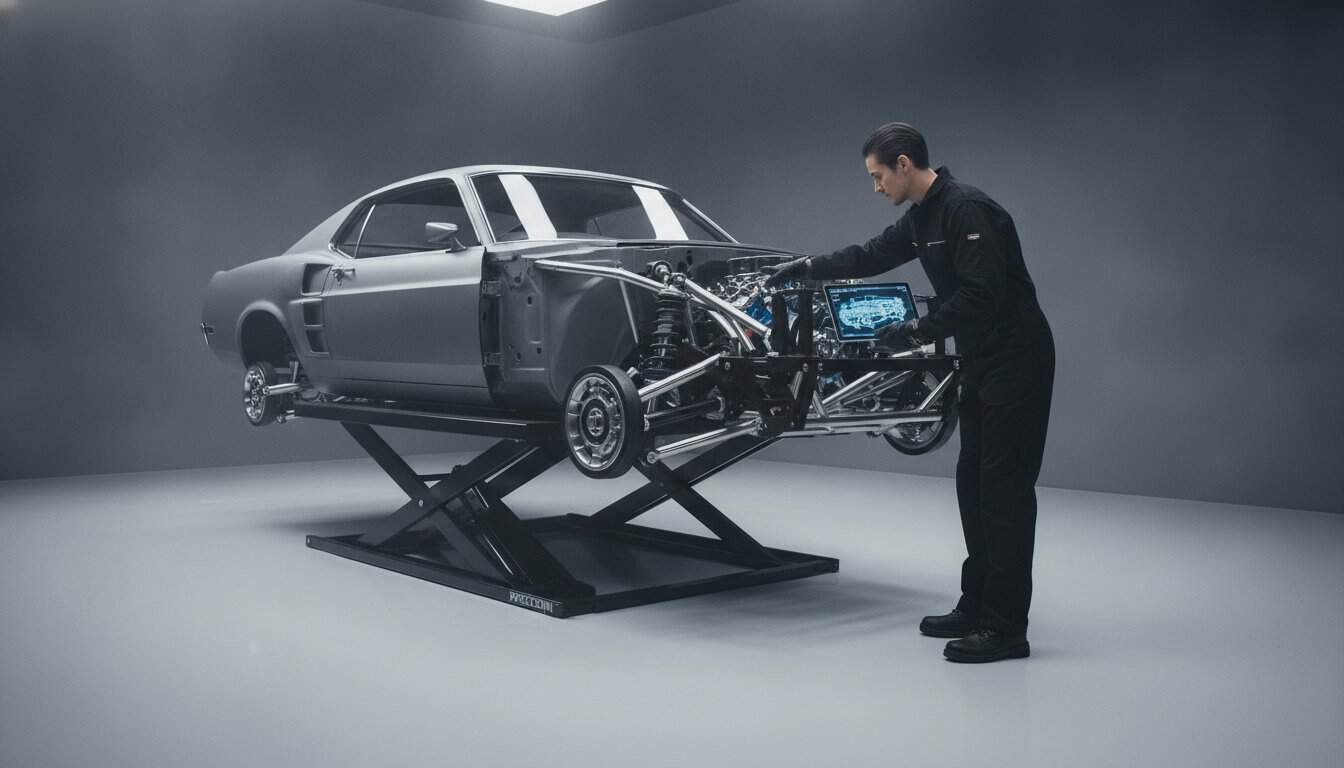
A stunning Instagram portfolio is often the most dangerous thing in the restomod industry. While high-resolution photos can showcase beautiful paint, they rarely reveal the structural integrity or the financial chaos happening behind the scenes. You’ve likely spent years dreaming of a machine that pairs vintage aesthetics with 2026 levels of performance, yet the fear of your car sitting in shop jail for half a decade is a very real weight. It’s a common anxiety for enthusiasts who want precision but worry about hidden hack jobs or spiraling costs that never seem to end.
Learning how to vet a restomod builder’s references is your most powerful tool to protect your investment and your sanity. In this guide, I will walk you through a forensic process to verify a shop’s true reputation beyond their social media highlights. You’ll gain a concrete list of questions for former customers and a proven method for spotting fake or coached references. We are going to look at how to identify financial transparency and technical consistency so you can sign your build contract with total confidence. By the end, you will have the framework needed to ensure your classic project is handled with the meticulous care it deserves.
Key Takeaways
- Understand why a deep dive into past projects is the only way to avoid the nightmare of shop jail and ensure your high-performance asset is delivered on schedule in 2026.
- Master the forensic process of how to vet a restomod builder’s references by interviewing former clients who have completed projects similar to your specific vision.
- Look beyond the initial delivery and verify long-term reliability by asking how a build performs after the first 500 miles of real-world driving.
- Identify critical warning signs like high employee turnover and financial opacity that signal a shop might be using your deposits to fund other projects.
- Apply a weighted average method to feedback from multiple sources, allowing you to move forward with a high-value contract based on data rather than emotion.
Why Vetting Restomod Builder References is Your Best Insurance Policy
Selecting a builder for your classic project is the most critical decision you will face. The restomod market is projected to account for nearly 40 percent of the classic car service industry in 2026, but this popularity brings a significant risk known as shop jail. This term describes the agonizing situation where a vehicle sits disassembled and ignored for years while the shop prioritizes other tasks or mismanages your deposits. You need a strategy to bypass the marketing hype. Learning how to vet a restomod builder’s references is the only way to move from emotional excitement to objective verification.
A standard restoration focuses on returning a car to its original factory state. A restomod, however, is a forensic blend of heritage aesthetics and modern technology. It requires grafting contemporary performance components into a vintage shell, a process that demands advanced engineering skills. A builder’s social media page shows the victory lap, but it rarely shows the hundreds of hours spent troubleshooting a wiring harness or correcting a suspension geometry issue. Your goal is to find the truth behind the finished paint job.
The High Stakes of Custom Automotive Projects
High-end builds in 2026 require a substantial financial investment and a high level of technical trust. Modern performance parts, from electronic fuel injection systems to independent rear suspensions, require much tighter tolerances than original equipment. If the installation is not perfect, the car will not just perform poorly; it could be dangerous. Review our guide on what is a restomod to grasp the technical breadth of these projects. Understanding how to vet a restomod builder’s references ensures that the person turning the wrenches has the discipline to meet these modern standards.
Moving Beyond the Builder’s Portfolio
Photos are deceptive. They can mask dangerous electrical routing or structural shortcuts that only reveal themselves after a few thousand miles of driving. You need to hear from people who have lived with the finished product through all seasons. Ask references about the mid-project slump, that inevitable point where the initial excitement fades and the hard work of assembly begins. A great builder is defined by their transparency and problem-solving abilities during these stressful periods. If a reference can confirm the builder stayed communicative when things went wrong, you have found a professional worth hiring.
The 10 Essential Questions to Ask a Builder’s Past Clients
Treat your reference calls like a technical inspection. You aren’t looking for a friendly chat; you are on a mission to gather hard data. When a shop provides a list of names, specifically request contacts from projects that mirror your own in complexity and scope. If you are planning an LS swap and a full chassis upgrade, talking to a client who only had a fresh interior installed won’t give you the technical insight you need. This is a crucial step in learning how to vet a restomod builder’s references properly.
Be aware that most shops will provide coached references. These are the easy clients who might have received a discount or a faster timeline in exchange for a glowing review. To break through this, you must listen for what the reference is not saying. If they praise the paint but stay silent on the electrical reliability, take note. A truly successful reference provides a balanced view, offering both high praise and constructive criticism.
Questions Regarding Timeline and Financials
Financial transparency is the bedrock of a professional build. Ask the reference if the final invoice aligned with the initial estimate. In the custom world, prices shift, but the builder should never surprise you. Use these specific prompts to uncover the truth about their billing habits:
- Did the builder provide a written change order for every deviation from the original plan?
- How did the shop handle delays caused by backordered modern performance parts?
- Was the car delivered on the date specified in the contract, or did it languish in the corner of the shop?
Questions Regarding Communication and Process
Restomodding is a long-term relationship. You need to know if the shop treats you like a partner or a nuisance. Consistency in communication often mirrors the consistency of the mechanical work itself.
- How often did you receive high-resolution photo updates or detailed progress reports?
- Did you have direct access to the lead builder, or were you filtered through a secretary?
- Did the shop ever demand large deposits before showing proof of completed milestones?
The Ultimate Referral Question
To get to the heart of the builder’s character, ask the client what they wish had been done differently. This forces them to move past the generic praise. Ask specifically what clause they would add to their contract if they were starting the project today. If you need more help structuring your project expectations, consider checking out the resources at Restomod Academy to align your goals with industry standards. A reference who cannot name a single area for improvement is likely not giving you the full story.
Verifying Technical Craftsmanship and Long-Term Reliability
A restomod is an investment in performance, but the true test of a builder’s skill isn’t the reveal day. It’s the drive home six months later. Many shops can make a car look spectacular under showroom lights, but those same builds often reveal significant flaws after 500 miles of real-world use. When you are determining how to vet a restomod builder’s references, you must prioritize owners who have lived with their cars for at least a full season. This duration allows the mechanical systems to heat-cycle and the bodywork to settle, exposing any shortcuts taken during the assembly phase.
If the reference is local, make every effort to see the car in person. A high-resolution photo cannot replace the insight gained by looking under the dashboard or feeling the consistency of the panel gaps. You want to see how the integration of modern systems, such as electronic fuel injection (EFI) or independent rear suspensions, has held up against the vibrations of the road. A builder who prioritizes long-term reliability will have references whose cars are still tight, leak-free, and performing as promised years after the final invoice was paid.
Probing for Hidden Technical Flaws
Ask specifically about the unseen labor that defines a high-quality build. A professional wiring harness should look like a factory installation, not a nest of electrical tape and butt connectors. Ask if the owner has dealt with intermittent stalling or parasitic battery drains. Look closely for signs of paint shrinkage or bubbling around the wheel arches and seams; these issues often stem from improper metal prep or rushed curing times. If the build involved a modern drivetrain, check if it meets the 2026 restomod roadmap standards for technical reliability and serviceability. This is a vital part of knowing how to vet a restomod builder’s references.
Evaluating the Road Manners of the Build
Modern performance components should make the car easier to drive, not more temperamental. Inquire if the car maintains its composure on modern highways at 75 mph. Does it rattle or squeak, or did the builder use proper sound deadening and high-grade hardware? Ask about the cooling system’s performance in heavy summer traffic. A well-engineered restomod should handle a 95-degree afternoon just as easily as a modern commuter. Finally, verify if the suspension was actually tuned for the owner’s specific driving style. A builder who simply bolts on parts without adjusting the damping or alignment hasn’t provided a truly custom experience.

Spotting Red Flags and Avoiding Shop Jail
Shop jail isn’t just a delay; it’s a financial trap. It occurs when a builder lacks the liquid capital to complete your vehicle, using your new deposit to pay for parts on a project that’s already stalled. This cycle is a death spiral for custom shops. When you are learning how to vet a restomod builder’s references, look closely at the shop’s workforce. High employee turnover is a flashing red light. If the lead fabricator and head electrician have both left in the last twelve months, your project’s technical continuity is at high risk. It is a forensic exercise in verifying stability before you hand over your keys.
Investigate the legal standing of the business before you hand over a significant deposit. Search local court records for the shop name and the owner’s name to look for active liens, civil lawsuits, or bankruptcy filings. Automotive shops often lack the strict licensing oversight found in the home building industry, so this due diligence falls entirely on you. The disappearing builder is a real threat. These individuals answer every call while you are in the sales phase but go silent once your car is stripped to bare metal and the chassis is on a jig. They rely on your emotional attachment to the car to keep you waiting while they prioritize newer clients.
Operational Red Flags During the Vetting Call
Listen for specific phrases during your reference calls to understand how to vet a restomod builder’s references through the lens of operational efficiency. If a former client mentions the shop was too busy to touch their vehicle for months, the shop is likely over-leveraged. A professional builder should never ask for 50 percent or more of the build cost upfront. Large, unearned deposits are often used to cover old debts rather than your modern performance parts. Another warning sign is a shop that refuses to allow owners to visit their vehicle without a formal, scheduled appointment. Transparency should be the default, not an exception.
The Importance of a Structured Project Plan
A successful build relies on a documented project roadmap. Ask references if the builder followed a clear sequence of milestones or if they seemed to be winging the assembly. You need to ensure the shop provides itemized invoices for every component and hour of labor. These records act as a technical diary, proving the parts you paid for were actually installed. Without this level of detail, budget overruns are inevitable and accountability vanishes. If you want to protect your project from these common pitfalls, start by downloading our Premium Project Blueprints to set a clear technical standard from day one.
Finalizing Your Decision with Restomod Academy Guidance
Once you’ve completed your interviews, you must translate those conversations into a final decision. Learning how to vet a restomod builder’s references is only half the battle; the other half is objective analysis. No builder is perfect. Every custom project faces hurdles, but your goal is to find a shop where transparency is the default setting. If a builder admits to a mistake and shows how they fixed it, they are often more valuable than one who claims a flawless record. Knowing how to vet a restomod builder’s references gives you the leverage to ask for this level of honesty before the first check is signed.
Use a weighted average to evaluate the feedback you’ve collected. This phase of how to vet a restomod builder’s references requires you to look for consistency across multiple sources. If you spoke to three references and two raved about the electrical work while one mentioned a minor delay, the technical score remains high. However, if multiple sources mention shifting budgets or unreturned calls, those are systemic issues that will likely haunt your own build in 2026. This methodical approach removes the emotional fog of seeing a shiny car and replaces it with a data-driven choice.
Creating a Builder Scorecard
Build a simple matrix to compare your top two or three candidates side-by-side. Rank each builder on a scale of one to ten across three critical pillars: communication frequency, technical execution, and budget adherence. This scorecard forces you to look at the raw numbers rather than the builder’s personality. You must also determine if the builder’s specific aesthetic style aligns with your vision. Some shops excel at pro-touring muscle cars, while others are masters of vintage European refinement. Ensure their past successes match the character of the machine you want to create.
Next Steps for Your Restomod Journey
Take the insights you’ve gained and apply them directly to your build contract. If a reference mentioned that parts delays were a pain point, ensure your contract includes a specific clause about how backorders are communicated. Knowledge is your best defense against the pitfalls of the industry. Use the educational framework provided by The Ultimate Restomod Guide to stay informed as your project moves through the various stages of assembly.
Becoming an active creator rather than a passive observer is the key to a rewarding experience. We encourage you to engage with the community at Restomod Academy to share your findings and learn from other enthusiasts who are in the trenches. By using our Restomod Consulting Services or following our Premium Project Blueprints, you ensure that every bolt turned on your car meets a professional standard of precision and reliability. Your journey from enthusiast to builder starts with this final, informed handshake.
Secure Your Automotive Legacy
You’ve moved past the surface-level allure of social media portfolios to embrace a forensic approach to builder selection. By applying a structured scorecard and asking the hard questions about financial transparency and technical longevity, you are protecting your investment from the common pitfalls of the industry. Understanding how to vet a restomod builder’s references is the final mechanical check before you commit your vision to steel and modern performance. It turns the daunting prospect of a high-value build into a logical, manageable sequence of steps.
Your transition from an admirer to a creator requires more than just passion; it demands authoritative expertise. We are here to provide the educational framework that ensures your 2026 project delivers the thrill of modern reliability without sacrificing heritage style. Take control of your build with The Ultimate Restomod Guide. With the right roadmap and a verified builder by your side, your dream machine is finally within reach. Let’s get to work.
Frequently Asked Questions
How many references should I ask for from a restomod builder?
Aim for at least three references from projects completed within the last twenty-four months. This variety allows you to see if the shop maintains a consistent standard of quality across different vehicle types. Requesting both a recently finished build and one that has been on the road for over a year provides a clear picture of both initial craftsmanship and long-term mechanical reliability.
What if a builder refuses to provide references due to client privacy?
A refusal based on privacy is a major red flag in the custom automotive industry. While some high-profile collectors value discretion, a professional builder should always have a handful of clients willing to speak about their experience. If they cannot produce a single name, it suggests they lack a history of satisfied customers or are hiding a trail of unresolved technical disputes or budget overruns.
Is it normal for a restomod project to go over the initial budget?
Minor budget adjustments are common when uncovering hidden rust, but massive, unexplained overruns are not acceptable. A professional builder uses a documented roadmap to minimize surprises. When you learn how to vet a restomod builder’s references, ask past clients if the shop provided itemized change orders for every price increase. Transparency is what separates a professional operation from a shop that is simply winging it.
Should I visit the shop in person before calling their references?
Yes, always visit the facility to inspect the current projects on the floor before you begin calling. Observe the organization of the assembly area and the quality of the tools being used. Whether you’re inspecting a weld or looking for the best smash burgers Prague during a trip to visit a European shop, the eye for quality remains the same. This initial walkthrough gives you technical context that makes your follow-up calls more effective. You will know exactly which specific fabrication or wiring questions to ask when you speak with their former clients.
When evaluating a shop’s professionalism, don’t overlook their physical branding and signage, which can reflect their overall attention to detail; for examples of how top-tier businesses use visual solutions to project quality, check out Signarama.
Online reviews are a starting point but should never be your only source of truth. These platforms are easily manipulated by friends of the shop or individuals who never actually commissioned a build. Direct phone calls are the only way to truly understand how to vet a restomod builder’s references. A five-minute conversation with a real owner reveals technical nuances and communication habits that a star rating simply cannot capture.
What is the most common complaint past clients have about restomod builders?
Poor communication regarding timelines and the mid-project slump is the most frequent grievance. Many enthusiasts report that shops go silent for weeks once the vehicle is in the teardown phase. This lack of transparency often signals that the shop has prioritized other work or is struggling with staffing. Hearing how a builder handled these unavoidable delays from a reference will tell you everything about their professional character.
How do I know if a reference is actually a friend or family member of the builder?
Ask highly specific technical questions about the build process and the itemized invoicing. A real client will remember the frustration of a backordered suspension component or the specific cost of a custom interior. If the reference provides only vague, glowing praise without any technical depth, they are likely a coached contact. Cross-reference their claims with the shop’s social media timeline to verify the project’s actual duration and completed milestones.
What should I do if a reference gives a negative review of a shop I like?
Take every negative review seriously and look for recurring patterns across other references. One bad experience might be a personality clash, but three reports of electrical gremlins or budget spikes indicate a systemic failure. Discuss the feedback directly with the builder to see if they take accountability. A seasoned mentor knows that how a shop handles a mistake is often more important than the mechanical error itself.
A stunning Instagram portfolio is often the most dangerous thing in the restomod industry. While high-resolution photos can showcase beautiful paint, they rarely reveal the structural integrity or the financial chaos happening behind the scenes. You’ve likely spent years dreaming of a machine that pairs vintage aesthetics with 2026 levels of performance, yet the fear of your car sitting in shop jail for half a decade is a very real weight. It’s a common anxiety for enthusiasts who want precision but worry about hidden hack jobs or spiraling costs that never seem to end.
Learning how to vet a restomod builder’s references is your most powerful tool to protect your investment and your sanity. In this guide, I will walk you through a forensic process to verify a shop’s true reputation beyond their social media highlights. You’ll gain a concrete list of questions for former customers and a proven method for spotting fake or coached references. We are going to look at how to identify financial transparency and technical consistency so you can sign your build contract with total confidence. By the end, you will have the framework needed to ensure your classic project is handled with the meticulous care it deserves.
Key Takeaways
- Understand why a deep dive into past projects is the only way to avoid the nightmare of shop jail and ensure your high-performance asset is delivered on schedule in 2026.
- Master the forensic process of how to vet a restomod builder’s references by interviewing former clients who have completed projects similar to your specific vision.
- Look beyond the initial delivery and verify long-term reliability by asking how a build performs after the first 500 miles of real-world driving.
- Identify critical warning signs like high employee turnover and financial opacity that signal a shop might be using your deposits to fund other projects.
- Apply a weighted average method to feedback from multiple sources, allowing you to move forward with a high-value contract based on data rather than emotion.
Why Vetting Restomod Builder References is Your Best Insurance Policy
Selecting a builder for your classic project is the most critical decision you will face. The restomod market is projected to account for nearly 40 percent of the classic car service industry in 2026, but this popularity brings a significant risk known as shop jail. This term describes the agonizing situation where a vehicle sits disassembled and ignored for years while the shop prioritizes other tasks or mismanages your deposits. You need a strategy to bypass the marketing hype. Learning how to vet a restomod builder’s references is the only way to move from emotional excitement to objective verification.
A standard restoration focuses on returning a car to its original factory state. A restomod, however, is a forensic blend of heritage aesthetics and modern technology. It requires grafting contemporary performance components into a vintage shell, a process that demands advanced engineering skills. A builder’s social media page shows the victory lap, but it rarely shows the hundreds of hours spent troubleshooting a wiring harness or correcting a suspension geometry issue. Your goal is to find the truth behind the finished paint job.
The High Stakes of Custom Automotive Projects
High-end builds in 2026 require a substantial financial investment and a high level of technical trust. Modern performance parts, from electronic fuel injection systems to independent rear suspensions, require much tighter tolerances than original equipment. If the installation is not perfect, the car will not just perform poorly; it could be dangerous. Review our guide on what is a restomod to grasp the technical breadth of these projects. Understanding how to vet a restomod builder’s references ensures that the person turning the wrenches has the discipline to meet these modern standards.
Moving Beyond the Builder’s Portfolio
Photos are deceptive. They can mask dangerous electrical routing or structural shortcuts that only reveal themselves after a few thousand miles of driving. You need to hear from people who have lived with the finished product through all seasons. Ask references about the mid-project slump, that inevitable point where the initial excitement fades and the hard work of assembly begins. A great builder is defined by their transparency and problem-solving abilities during these stressful periods. If a reference can confirm the builder stayed communicative when things went wrong, you have found a professional worth hiring.
The 10 Essential Questions to Ask a Builder’s Past Clients
Treat your reference calls like a technical inspection. You aren’t looking for a friendly chat; you are on a mission to gather hard data. When a shop provides a list of names, specifically request contacts from projects that mirror your own in complexity and scope. If you are planning an LS swap and a full chassis upgrade, talking to a client who only had a fresh interior installed won’t give you the technical insight you need. This is a crucial step in learning how to vet a restomod builder’s references properly.
Be aware that most shops will provide coached references. These are the easy clients who might have received a discount or a faster timeline in exchange for a glowing review. To break through this, you must listen for what the reference is not saying. If they praise the paint but stay silent on the electrical reliability, take note. A truly successful reference provides a balanced view, offering both high praise and constructive criticism.
Questions Regarding Timeline and Financials
Financial transparency is the bedrock of a professional build. Ask the reference if the final invoice aligned with the initial estimate. In the custom world, prices shift, but the builder should never surprise you. Use these specific prompts to uncover the truth about their billing habits:
- Did the builder provide a written change order for every deviation from the original plan?
- How did the shop handle delays caused by backordered modern performance parts?
- Was the car delivered on the date specified in the contract, or did it languish in the corner of the shop?
Questions Regarding Communication and Process
Restomodding is a long-term relationship. You need to know if the shop treats you like a partner or a nuisance. Consistency in communication often mirrors the consistency of the mechanical work itself.
- How often did you receive high-resolution photo updates or detailed progress reports?
- Did you have direct access to the lead builder, or were you filtered through a secretary?
- Did the shop ever demand large deposits before showing proof of completed milestones?
The Ultimate Referral Question
To get to the heart of the builder’s character, ask the client what they wish had been done differently. This forces them to move past the generic praise. Ask specifically what clause they would add to their contract if they were starting the project today. If you need more help structuring your project expectations, consider checking out the resources at Restomod Academy to align your goals with industry standards. A reference who cannot name a single area for improvement is likely not giving you the full story.
Verifying Technical Craftsmanship and Long-Term Reliability
A restomod is an investment in performance, but the true test of a builder’s skill isn’t the reveal day. It’s the drive home six months later. Many shops can make a car look spectacular under showroom lights, but those same builds often reveal significant flaws after 500 miles of real-world use. When you are determining how to vet a restomod builder’s references, you must prioritize owners who have lived with their cars for at least a full season. This duration allows the mechanical systems to heat-cycle and the bodywork to settle, exposing any shortcuts taken during the assembly phase.
If the reference is local, make every effort to see the car in person. A high-resolution photo cannot replace the insight gained by looking under the dashboard or feeling the consistency of the panel gaps. You want to see how the integration of modern systems, such as electronic fuel injection (EFI) or independent rear suspensions, has held up against the vibrations of the road. A builder who prioritizes long-term reliability will have references whose cars are still tight, leak-free, and performing as promised years after the final invoice was paid.
Probing for Hidden Technical Flaws
Ask specifically about the unseen labor that defines a high-quality build. A professional wiring harness should look like a factory installation, not a nest of electrical tape and butt connectors. Ask if the owner has dealt with intermittent stalling or parasitic battery drains. Look closely for signs of paint shrinkage or bubbling around the wheel arches and seams; these issues often stem from improper metal prep or rushed curing times. If the build involved a modern drivetrain, check if it meets the 2026 restomod roadmap standards for technical reliability and serviceability. This is a vital part of knowing how to vet a restomod builder’s references.
Evaluating the Road Manners of the Build
Modern performance components should make the car easier to drive, not more temperamental. Inquire if the car maintains its composure on modern highways at 75 mph. Does it rattle or squeak, or did the builder use proper sound deadening and high-grade hardware? Ask about the cooling system’s performance in heavy summer traffic. A well-engineered restomod should handle a 95-degree afternoon just as easily as a modern commuter. Finally, verify if the suspension was actually tuned for the owner’s specific driving style. A builder who simply bolts on parts without adjusting the damping or alignment hasn’t provided a truly custom experience.
Spotting Red Flags and Avoiding Shop Jail
Shop jail isn’t just a delay; it’s a financial trap. It occurs when a builder lacks the liquid capital to complete your vehicle, using your new deposit to pay for parts on a project that’s already stalled. This cycle is a death spiral for custom shops. When you are learning how to vet a restomod builder’s references, look closely at the shop’s workforce. High employee turnover is a flashing red light. If the lead fabricator and head electrician have both left in the last twelve months, your project’s technical continuity is at high risk. It is a forensic exercise in verifying stability before you hand over your keys.
Investigate the legal standing of the business before you hand over a significant deposit. Search local court records for the shop name and the owner’s name to look for active liens, civil lawsuits, or bankruptcy filings. Automotive shops often lack the strict licensing oversight found in the home building industry, so this due diligence falls entirely on you. The disappearing builder is a real threat. These individuals answer every call while you are in the sales phase but go silent once your car is stripped to bare metal and the chassis is on a jig. They rely on your emotional attachment to the car to keep you waiting while they prioritize newer clients.
Operational Red Flags During the Vetting Call
Listen for specific phrases during your reference calls to understand how to vet a restomod builder’s references through the lens of operational efficiency. If a former client mentions the shop was too busy to touch their vehicle for months, the shop is likely over-leveraged. A professional builder should never ask for 50 percent or more of the build cost upfront. Large, unearned deposits are often used to cover old debts rather than your modern performance parts. Another warning sign is a shop that refuses to allow owners to visit their vehicle without a formal, scheduled appointment. Transparency should be the default, not an exception.
The Importance of a Structured Project Plan
A successful build relies on a documented project roadmap. Ask references if the builder followed a clear sequence of milestones or if they seemed to be winging the assembly. You need to ensure the shop provides itemized invoices for every component and hour of labor. These records act as a technical diary, proving the parts you paid for were actually installed. Without this level of detail, budget overruns are inevitable and accountability vanishes. If you want to protect your project from these common pitfalls, start by downloading our Premium Project Blueprints to set a clear technical standard from day one.
Finalizing Your Decision with Restomod Academy Guidance
Once you’ve completed your interviews, you must translate those conversations into a final decision. Learning how to vet a restomod builder’s references is only half the battle; the other half is objective analysis. No builder is perfect. Every custom project faces hurdles, but your goal is to find a shop where transparency is the default setting. If a builder admits to a mistake and shows how they fixed it, they are often more valuable than one who claims a flawless record. Knowing how to vet a restomod builder’s references gives you the leverage to ask for this level of honesty before the first check is signed.
Use a weighted average to evaluate the feedback you’ve collected. This phase of how to vet a restomod builder’s references requires you to look for consistency across multiple sources. If you spoke to three references and two raved about the electrical work while one mentioned a minor delay, the technical score remains high. However, if multiple sources mention shifting budgets or unreturned calls, those are systemic issues that will likely haunt your own build in 2026. This methodical approach removes the emotional fog of seeing a shiny car and replaces it with a data-driven choice.
Creating a Builder Scorecard
Build a simple matrix to compare your top two or three candidates side-by-side. Rank each builder on a scale of one to ten across three critical pillars: communication frequency, technical execution, and budget adherence. This scorecard forces you to look at the raw numbers rather than the builder’s personality. You must also determine if the builder’s specific aesthetic style aligns with your vision. Some shops excel at pro-touring muscle cars, while others are masters of vintage European refinement. Ensure their past successes match the character of the machine you want to create.
Next Steps for Your Restomod Journey
Take the insights you’ve gained and apply them directly to your build contract. If a reference mentioned that parts delays were a pain point, ensure your contract includes a specific clause about how backorders are communicated. Knowledge is your best defense against the pitfalls of the industry. Use the educational framework provided by The Ultimate Restomod Guide to stay informed as your project moves through the various stages of assembly.
Becoming an active creator rather than a passive observer is the key to a rewarding experience. We encourage you to engage with the community at Restomod Academy to share your findings and learn from other enthusiasts who are in the trenches. By using our Restomod Consulting Services or following our Premium Project Blueprints, you ensure that every bolt turned on your car meets a professional standard of precision and reliability. Your journey from enthusiast to builder starts with this final, informed handshake.
Secure Your Automotive Legacy
You’ve moved past the surface-level allure of social media portfolios to embrace a forensic approach to builder selection. By applying a structured scorecard and asking the hard questions about financial transparency and technical longevity, you are protecting your investment from the common pitfalls of the industry. Understanding how to vet a restomod builder’s references is the final mechanical check before you commit your vision to steel and modern performance. It turns the daunting prospect of a high-value build into a logical, manageable sequence of steps.
Your transition from an admirer to a creator requires more than just passion; it demands authoritative expertise. We are here to provide the educational framework that ensures your 2026 project delivers the thrill of modern reliability without sacrificing heritage style. Take control of your build with The Ultimate Restomod Guide. With the right roadmap and a verified builder by your side, your dream machine is finally within reach. Let’s get to work.
Frequently Asked Questions
How many references should I ask for from a restomod builder?
Aim for at least three references from projects completed within the last twenty-four months. This variety allows you to see if the shop maintains a consistent standard of quality across different vehicle types. Requesting both a recently finished build and one that has been on the road for over a year provides a clear picture of both initial craftsmanship and long-term mechanical reliability.
What if a builder refuses to provide references due to client privacy?
A refusal based on privacy is a major red flag in the custom automotive industry. While some high-profile collectors value discretion, a professional builder should always have a handful of clients willing to speak about their experience. If they cannot produce a single name, it suggests they lack a history of satisfied customers or are hiding a trail of unresolved technical disputes or budget overruns.
Is it normal for a restomod project to go over the initial budget?
Minor budget adjustments are common when uncovering hidden rust, but massive, unexplained overruns are not acceptable. A professional builder uses a documented roadmap to minimize surprises. When you learn how to vet a restomod builder’s references, ask past clients if the shop provided itemized change orders for every price increase. Transparency is what separates a professional operation from a shop that is simply winging it.
Should I visit the shop in person before calling their references?
Yes, always visit the facility to inspect the current projects on the floor before you begin calling. Observe the organization of the assembly area and the quality of the tools being used. This initial walkthrough gives you technical context that makes your follow-up calls more effective. You will know exactly which specific fabrication or wiring questions to ask when you speak with their former clients.
Can I trust online reviews on Google or Facebook for a custom car shop?
Online reviews are a starting point but should never be your only source of truth. These platforms are easily manipulated by friends of the shop or individuals who never actually commissioned a build. Direct phone calls are the only way to truly understand how to vet a restomod builder’s references. A five-minute conversation with a real owner reveals technical nuances and communication habits that a star rating simply cannot capture.
What is the most common complaint past clients have about restomod builders?
Poor communication regarding timelines and the mid-project slump is the most frequent grievance. Many enthusiasts report that shops go silent for weeks once the vehicle is in the teardown phase. This lack of transparency often signals that the shop has prioritized other work or is struggling with staffing. Hearing how a builder handled these unavoidable delays from a reference will tell you everything about their professional character.
How do I know if a reference is actually a friend or family member of the builder?
Ask highly specific technical questions about the build process and the itemized invoicing. A real client will remember the frustration of a backordered suspension component or the specific cost of a custom interior. If the reference provides only vague, glowing praise without any technical depth, they are likely a coached contact. Cross-reference their claims with the shop’s social media timeline to verify the project’s actual duration and completed milestones.
What should I do if a reference gives a negative review of a shop I like?
Take every negative review seriously and look for recurring patterns across other references. One bad experience might be a personality clash, but three reports of electrical gremlins or budget spikes indicate a systemic failure. Discuss the feedback directly with the builder to see if they take accountability. A seasoned mentor knows that how a shop handles a mistake is often more important than the mechanical error itself.